
Three Principles of the People
political philosophy developed by Sun Yat-sen
Press Enter · cited answer in seconds
0 sources
Three Principles of the People
Summary
Three Principles of the People is a political philosophy[1]. It draws 890 Wikipedia views per month (political_philosophy category, ranking #4 of 31).[2]
Key Facts
- Three Principles of the People authored Sun Yat-sen[3].
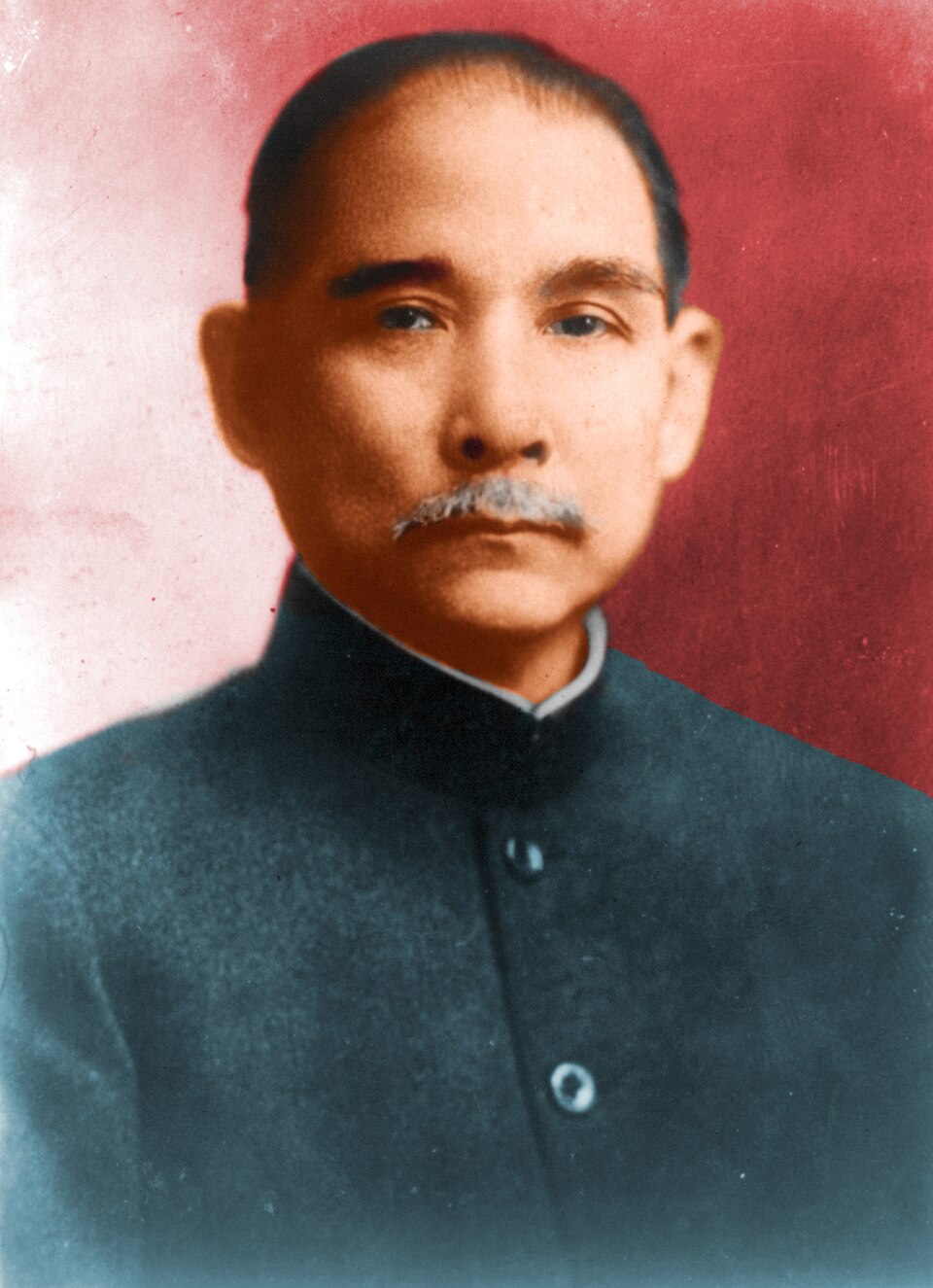
- Three Principles of the People's image is recorded as Sunyatsen1.jpg[4].
- Three Principles of the People's instance of is recorded as political philosophy[5].
- Three Principles of the People's instance of is recorded as work[6].
- Three Principles of the People's instance of is recorded as triad[7].
- Three Principles of the People's instance of is recorded as doctrine[8].
- Three Principles of the People's founder is recorded as Sun Yat-sen[9].
- Three Principles of the People's NDL Authority ID is recorded as 00570173[10].
- Three Principles of the People's Commons category is recorded as Three Principles of the People[11].
- Three Principles of the People's has part is recorded as Principle of Mínzú[12].
- Three Principles of the People's has part is recorded as The Principle of Minquan[13].
- Three Principles of the People's has part is recorded as The Principles of Minsheng[14].
- Three Principles of the People's publication date is recorded as +1924-00-00T00:00:00Z[15].
- Three Principles of the People's Freebase ID is recorded as /m/0x2vm[16].
- Three Principles of the People's has edition or translation is recorded as Q134310189[17].
- Three Principles of the People's topic's main category is recorded as Category:Three Principles of the People[18].
- Three Principles of the People's Encyclopædia Britannica Online ID is recorded as event/Three-Principles-of-the-People[19].
- Three Principles of the People's derivative work is recorded as Five-Power Constitution[20].
- Three Principles of the People's Namuwiki ID is recorded as 삼민주의[21].
Body
Works and Contributions
Three Principles of the People authored Sun Yat-sen[3].
Why It Matters
Three Principles of the People draws 890 Wikipedia views per month (political_philosophy category, ranking #4 of 31).[2] It has Wikipedia articles in 25 language editions, a strong signal of global cultural recognition.[22] It is known by 12 alternative names across languages and contexts.[23]