
The Posthumous Memoirs of Bras Cubas
0 sources
The Posthumous Memoirs of Bras Cubas
Summary
The Posthumous Memoirs of Bras Cubas is a literary work[1]. It ranks in the top 4% of literary_work entities by monthly Wikipedia readership (179 views/month).[2]
Key Facts
- The Posthumous Memoirs of Bras Cubas authored Machado de Assis[3].
- The Posthumous Memoirs of Bras Cubas's instance of is recorded as literary work[4].
- The Posthumous Memoirs of Bras Cubas was published by Oxford University Press[5].
- The Posthumous Memoirs of Bras Cubas's part of the series is recorded as Realist Trilogy[6].
- The Posthumous Memoirs of Bras Cubas's Commons category is recorded as Memórias Póstumas de Brás Cubas[7].
- The Posthumous Memoirs of Bras Cubas's language of work or name is recorded as Portuguese[8].
- The Posthumous Memoirs of Bras Cubas's country of origin is recorded as Brazil[9].
- The Posthumous Memoirs of Bras Cubas was released on +1881-00-00T00:00:00Z[10].
- The Posthumous Memoirs of Bras Cubas's translator is recorded as Gregory Rabassa[11].
- The Posthumous Memoirs of Bras Cubas's narrative location is recorded as Brazil[12].
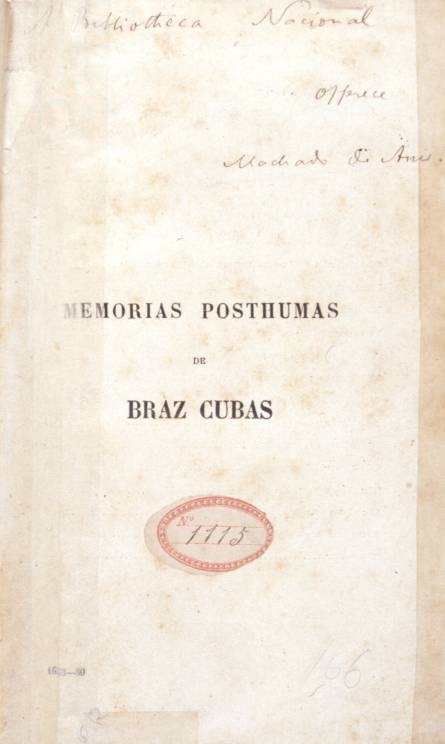
- The Posthumous Memoirs of Bras Cubas's title is recorded as {'lang': 'pt', 'text': 'Memorias Posthumas de Braz Cubas'}[13].
- The Posthumous Memoirs of Bras Cubas's form of creative work is recorded as novel[14].
Body
Authorship and Creation
The Posthumous Memoirs of Bras Cubas authored Machado de Assis[3]. It was published by Oxford University Press[5].
Publication
The Posthumous Memoirs of Bras Cubas was released on +1881-00-00T00:00:00Z[10]. Its language of work or name is recorded as Portuguese[8]. Its part of the series is recorded as Realist Trilogy[6].
Subject and Themes
The Posthumous Memoirs of Bras Cubas's part of the series is recorded as Realist Trilogy[6].
Why It Matters
The Posthumous Memoirs of Bras Cubas ranks in the top 4% of literary_work entities by monthly Wikipedia readership (179 views/month).[2] It has Wikipedia articles in 8 language editions, a strong signal of global cultural recognition.[15] It is known by 8 alternative names across languages and contexts.[16]