
Sporobolus alterniflorus
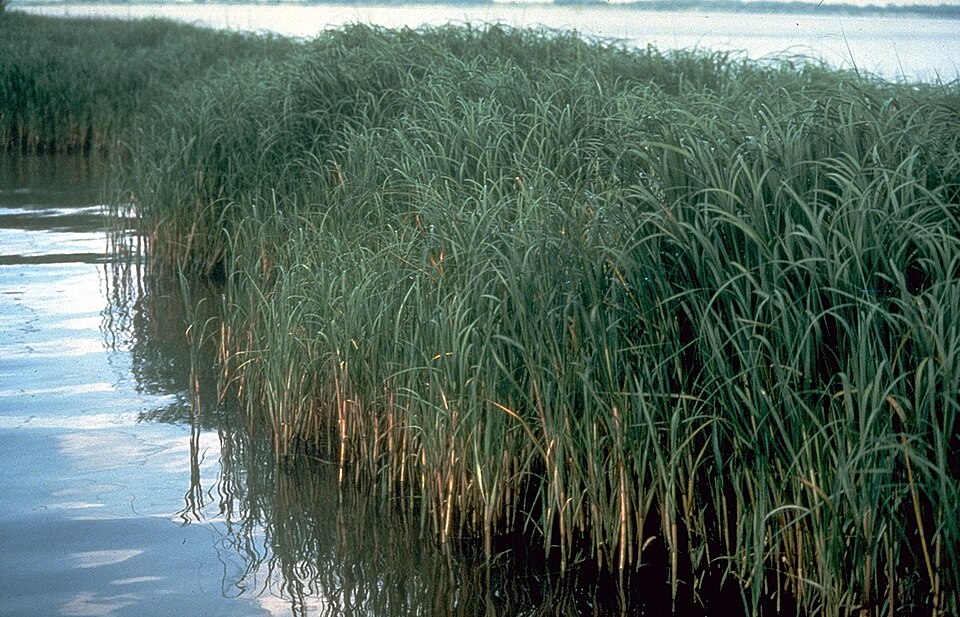
0 sources
Sporobolus alterniflorus
Summary
Sporobolus alterniflorus is a taxon[1]. It ranks in the top 0.82% of taxon entities by monthly Wikipedia readership (85 views/month, #1,596 of 195,241).[2]
Key Facts
- Sporobolus alterniflorus's instance of is recorded as taxon[3].
- Sporobolus alterniflorus is classified at the rank of species[4].
- Sporobolus alterniflorus belongs to the parent taxon Sporobolus[5].
- Under binomial nomenclature, Sporobolus alterniflorus is Sporobolus alterniflorus[6].
- Sporobolus alterniflorus's Commons category is recorded as Sporobolus alterniflorus[7].
- Sporobolus alterniflorus's has basionym is recorded as Spartina alterniflora[8].
- Sporobolus alterniflorus's Commons gallery is recorded as Sporobolus alterniflorus[9].
- Sporobolus alterniflorus's taxon synonym is recorded as Spartina alterniflora[10].
- Sporobolus alterniflorus's short name is recorded as S. alterniflorus[11].
- Sporobolus alterniflorus is commonly known as 互花米草[12].
- Sporobolus alterniflorus's maintained by WikiProject is recorded as WikiProject Invasion Biology[13].
- Sporobolus alterniflorus's taxon author citation is recorded as (Loisel.) P. M. Peterson & Saarela[14].
- Sporobolus alterniflorus's taxon range is recorded as Shanghai[15].
- Sporobolus alterniflorus's taxon range is recorded as Tianjin[16].
Body
Classification
Under binomial nomenclature, Sporobolus alterniflorus is Sporobolus alterniflorus[6]. It is classified at the rank of species[4]. It belongs to the parent taxon Sporobolus[5]. It is commonly known as 互花米草[12].
Identifiers
Sporobolus alterniflorus's iNaturalist taxon ID is recorded as 772903[17]. Sporobolus alterniflorus's NCBI taxonomy ID is recorded as 29706[18]. Sporobolus alterniflorus's GBIF taxon ID is recorded as 9394776[19].
Why It Matters
Sporobolus alterniflorus ranks in the top 0.82% of taxon entities by monthly Wikipedia readership (85 views/month, #1,596 of 195,241).[2] It has Wikipedia articles in 7 language editions, a strong signal of global cultural recognition.[20] It is known by 9 alternative names across languages and contexts.[21]