
Shitao
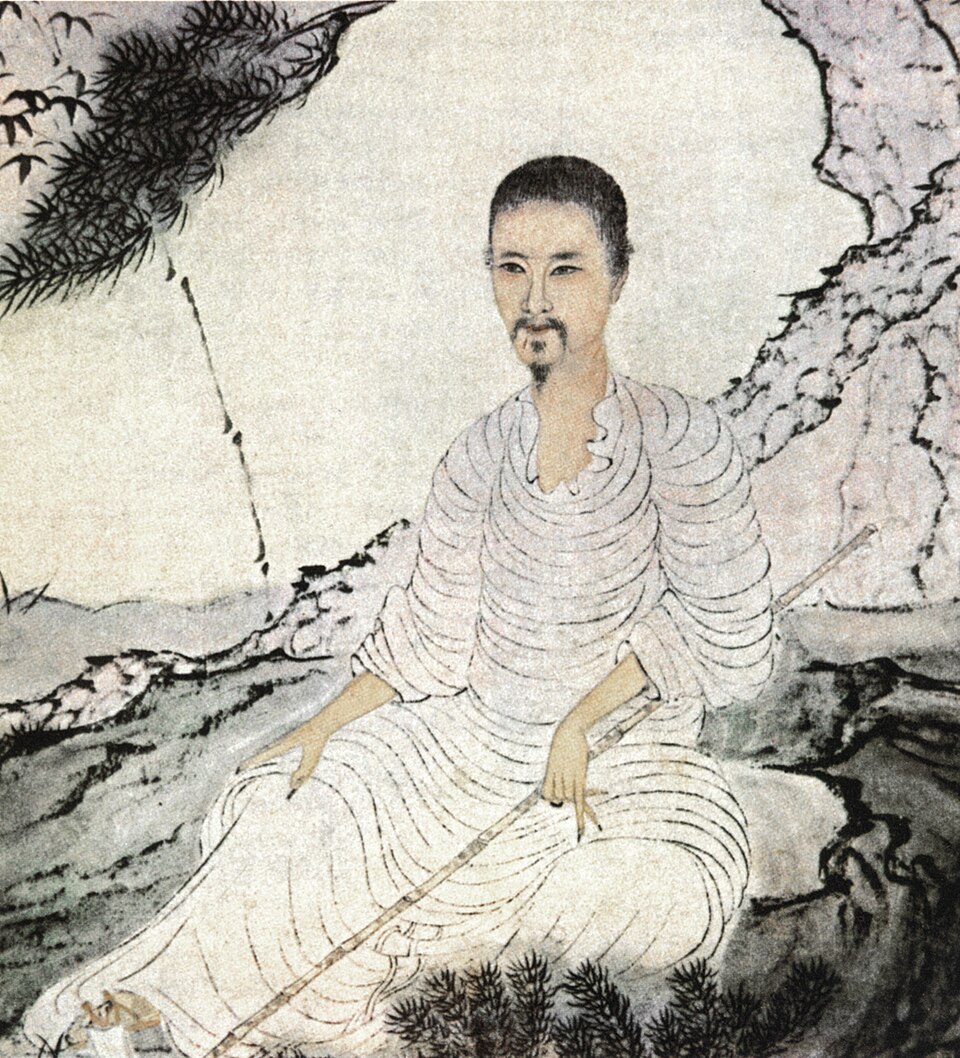
0 sources
Summary
Shitao was born on January 1, 1642[1], in Guilin[2]. He died on January 1, 1707[3], in Yangzhou[4]. He worked as a painter[5], poet[6], art theorist[7], and Buddhist monk[8]. He ranks in the top 0.72% of human entities by monthly Wikipedia readership (657 views/month, #7,244 of 1,000,298).[9]
Key Facts
- Date of birth: January 1, 1630[10], 1641[11]
- Father: Zhu Hengjia[12]
- Country of citizenship: Ming dynasty[13], Qing dynasty[14]
- Member of: Four Monks[15]
- Religion or worldview: Buddhism[16]
- Influenced by: Mei Qing[17]
- Sex or gender: male[18]
- Family: House of Zhu[19]
- Genre: landscape painting[20]
- Commons category: Shitao[21]
- Family name: Zhu[22]
- Pseudonym: Jüan-ťi[23], Kchu-kua che-šang[24], Čchao-ťi[25], Š-tchao[26]
- Described at URL: https://www.biografiasyvidas.com/biografia/t/tao_tsi.htm[27]
- Student of: Bada Shanren[28]
- Described by source: Qingdai Xuezhe Xiangzhuan[29], Seven Hundred Eminent People of the Qing Dynasty[30], Draft History of Qing, volume 504[31]
- Languages spoken, written or signed: Chinese[32]
- Commons Creator page: Shitao[33]
- Courtesy name: 阿長[34], 石濤[35]
- Art name: 大滌子[36], 苦瓜和尚[37], 老俠[38], 零丁老人[39], 青湘老人[40], 淸湘陳人[41], 淸湘老人[42], 淸湘遺人[43], 瞎尊者[44], 元濟[45], 粵山[46], 贊之十世孫[47]
- Name in kana: せきとう[48]
Why It Matters
Shitao has Wikipedia articles in 21 language editions, a strong signal of global cultural recognition.[49] He is known by 143 alternative names across languages and contexts.[50]
He has been cited as an influence by Chang Ta-chien[51], a painter[52], 1899–1983[53], of Qing dynasty[54], specialised in painting[55] and Gao Xiang[56], a painter[57], 1688–1753[58], of Qing dynasty[59], specialised in shan shui[60].
FAQs
Where was Shitao born?
Shitao was born in Guilin[2].
Where did Shitao die?
Shitao passed away in Yangzhou[4].
Who were Shitao's parents?
Shitao's father was Zhu Hengjia[12].
What did Shitao do for work?
Shitao worked as a painter[5], poet[6], art theorist[7], and Buddhist monk[8].
Who did Shitao influence?
Shitao has been cited as an influence by Chang Ta-chien[51] and Gao Xiang[56].