
seasonal affective disorder
mental depression that involves presentation of depressive symptoms only during a specific season of the year
Press Enter · cited answer in seconds
0 sources
Summary
seasonal affective disorder is a class of disease[1]. It draws 5,734 Wikipedia views per month (class of disease category, ranking #466 of 1,968).[2]
Key Facts
- Subclass of: depression[3], psychosomatic disease[4], mental disorder[5]
- Has cause: darkness[6]
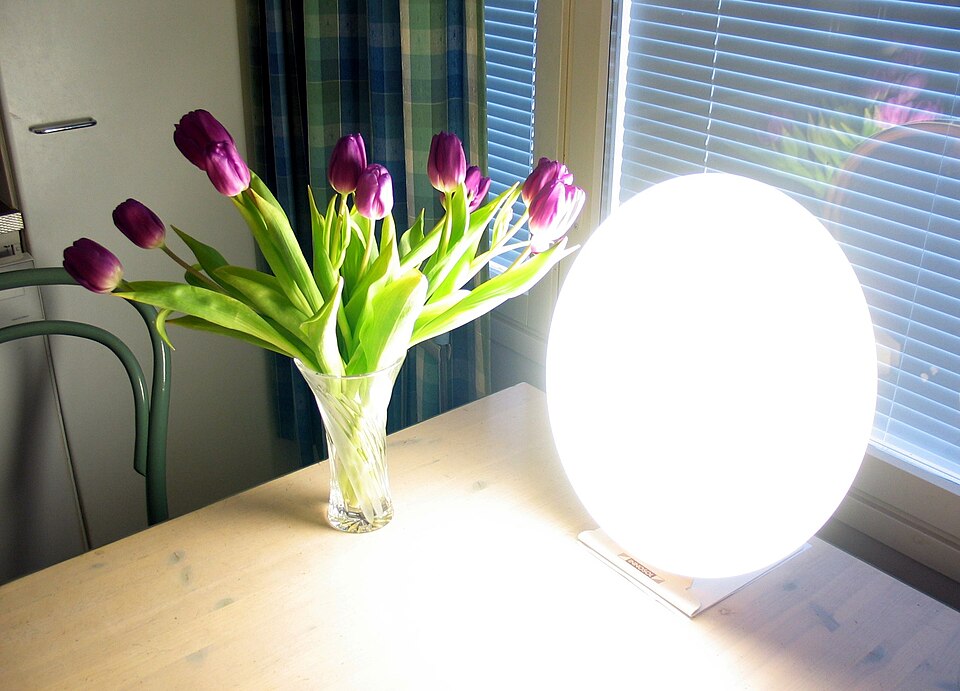
- Possible treatment: psychotherapy[7], full-spectrum light[8]
- ICD-9-CM: 296.99[9]
- Different from: social anxiety disorder[10]
- Health specialty: psychiatry[11], clinical psychology[12]
- Event interval: 1 years[13]
- Exact match: http://purl.obolibrary.org/obo/DOID_0060167[14], http://identifiers.org/doid/DOID:0060167[15]
- On focus list of Wikimedia project: WikiProject Medicine[16], WikiProject Psychiatry[17], WikiProject Psychology[18]
Why It Matters
seasonal affective disorder has Wikipedia articles in 24 language editions, a strong signal of global cultural recognition.[19] It is known by 81 alternative names across languages and contexts.[20]