
Roald Amundsen
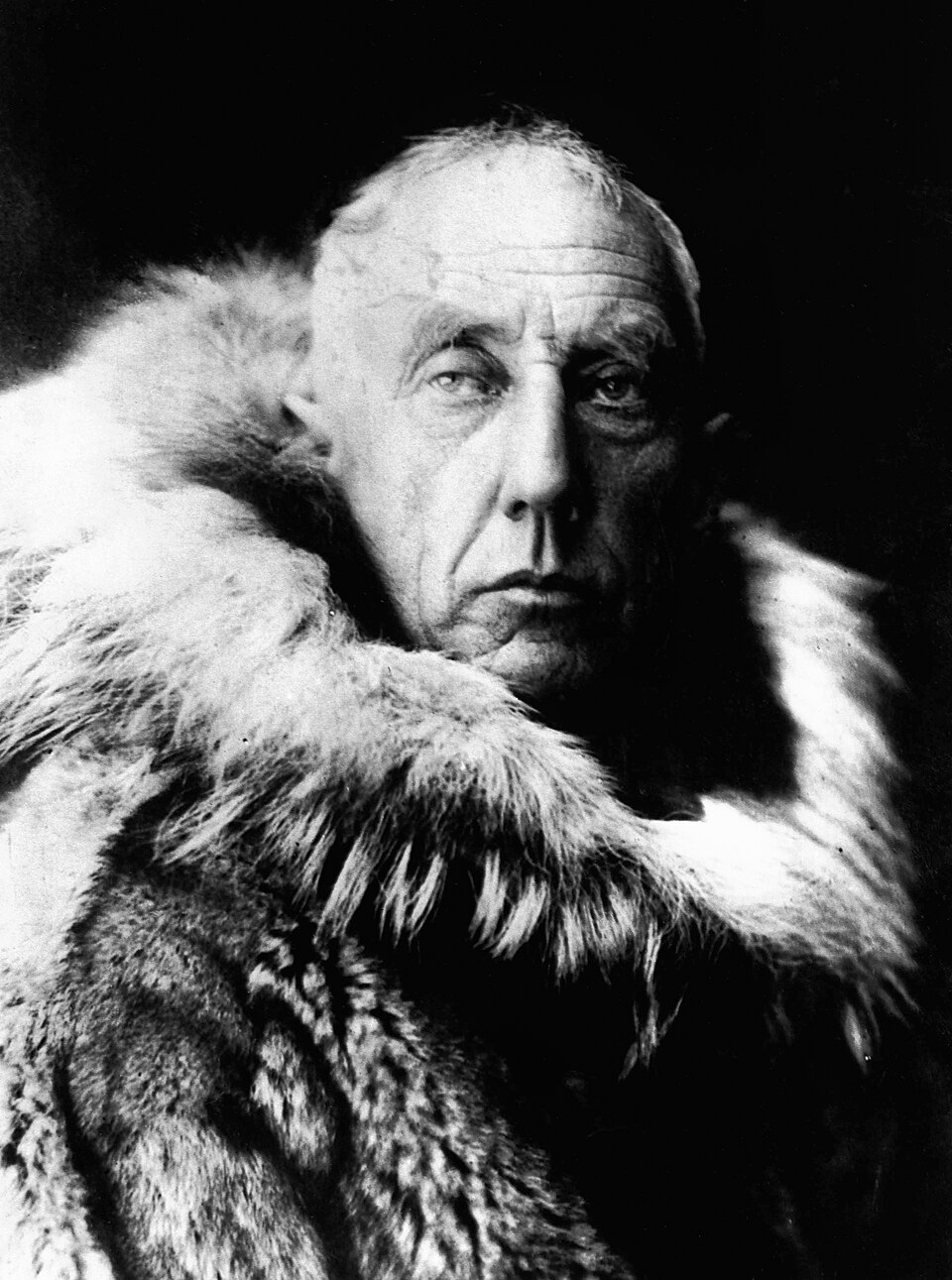
0 sources
Summary
Roald Amundsen was born on July 16, 1872[1], in Borge Municipality[2]. He died on June 18, 1928[3], in Arctic Ocean[4]. He worked as an explorer[5], writer[6], sailor[7], researcher[8], and polar explorer[9]. He ranks in the top 0.59% of human entities by monthly Wikipedia readership (15,076 views/month, #5,942 of 1,000,298).[10]
Key Facts
- Place of death: Bear Island[11]
- Place of burial: Barents Sea[12]
- Father: Jens Amundsen[13]
- Country of citizenship: Norway[14]
- Occupation: aircraft pilot[15], naval aviator[16], film director[17], geographer[18]
- Field of work: exploration[19], polar exploration[20]
- Notable work: The North West passage[21]
- Award received: Fridtjof Nansen Award of Excellence, Mathematics-Natural sciences class[22], Knight Grand Cross of the Order of St. Olav[23], Hubbard Medal[24], Constantin Medal[25], Knight of the Order of Leopold[26], Vega Medal[27], Alexander von Humboldt Medal[28], Patron’s Medal[29], Congressional Gold Medal[30], Grande Médaille d'Or des Explorations[31], Medal for Outstanding Civic Service[32], Medal of Merit in Gold with Crown[33], Polar Medal[34], Charles P. Daly Medal[35]
- Sex or gender: male[36]
- Commons category: Roald Amundsen[37]
- Cause of death: aviation accident[38]
- Residence: Roald Amundsen's house in Uranienborg[39], Oslo[40], Fredrikstad Municipality[41]
- Family name: Amundsen[42]
- Given name: Roald[43], Engelbregt[44], Gravning[45]
- Date of disappearance: June 18, 1928[46]
- Topic's main category: Category:Roald Amundsen[47]
- Commons gallery: Roald Amundsen[48]
Body
Works and Contributions
Things named for Roald Amundsen include Amundsen–Scott South Pole Station[49], an Antarctic research station[50], founded in 1956[51]; Amundsen Sea[52], a marginal sea[53]; Deep Space 2[54], a lander[55], in United States[56]; CCGS Amundsen[57], an icebreaker[58], in Canada[59]; M/S he[60], a roll-on/roll-off passenger ship[61]; he[62], a brig[63]; Amundsen Gulf[64]; and HNoMS Roald Amundsen[65].
Why It Matters
Roald Amundsen has Wikipedia articles in 30 language editions, a strong signal of global cultural recognition.[66] He is known by 27 alternative names across languages and contexts.[67]
He is credited with the discovery of South Pole[68], a geographical pole[69] and Axel Heiberg Glacier[70], a glacier[71]. Entities named for him include Amundsen–Scott South Pole Station[49], an Antarctic research station[50], founded in 1956[51]; Amundsen Sea[52], a marginal sea[53]; Deep Space 2[54], a lander[55], in United States[56]; CCGS Amundsen[57], an icebreaker[58], in Canada[59]; M/S he[60], a roll-on/roll-off passenger ship[61]; and he[62], a brig[63].
FAQs
Where was Roald Amundsen born?
Roald Amundsen's place of birth was Borge Municipality[2].
Where did Roald Amundsen die?
Roald Amundsen passed away in Arctic Ocean[4].
Who were Roald Amundsen's parents?
Roald Amundsen's father was Jens Amundsen[13].
What did Roald Amundsen do for work?
Roald Amundsen worked as an explorer[5], writer[6], sailor[7], researcher[8], and polar explorer[9].
What awards did Roald Amundsen receive?
Honors received include Fridtjof Nansen Award of Excellence, Mathematics-Natural sciences class[22], Knight Grand Cross of the Order of St. Olav[23], Hubbard Medal[24], and Constantin Medal[25].
What did Roald Amundsen discover?
Roald Amundsen is credited as discoverer of South Pole[68] and Axel Heiberg Glacier[70].