
Richard Abegg
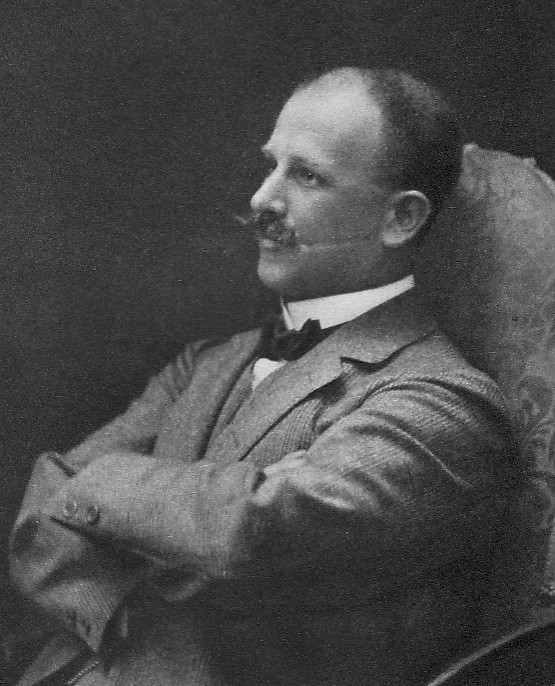
0 sources
Summary
Richard Abegg was born on January 9, 1869[1], in Gdańsk[2]. He died on April 3, 1910[3], in Koszalin[4]. He worked as a chemist[5], physicist[6], and balloonist[7]. He ranks in the top 0.73% of human entities by monthly Wikipedia readership (350 views/month, #7,290 of 1,000,298).[8]
Key Facts
- Father: Wilhelm Abegg[9]
- Country of citizenship: Kingdom of Prussia[10]
- Field of work: chemistry[11]
- Employer: University of Wrocław[12], Stockholm University[13], University of Göttingen[14]
- Educated at: Kiel University[15], University of Tübingen[16], Humboldt-Universität zu Berlin[17]
- Doctoral advisor: August Wilhelm von Hofmann[18]
- Student: Clara Immerwahr[19]
- Member of: German Academy of Sciences Leopoldina[20], Akademische Verbindung Igel Tübingen[21], Deutsche Physikalische Gesellschaft[22]
- Sex or gender: male[23]
- Doctoral student: Friedrich Bergius[24], Clara Immerwahr[25]
- Commons category: Richard Abegg[26]
- Family name: Abegg[27]
- Given name: Richard[28], Wilhelm[29], Heinrich[30]
- Work location: Göttingen[31], Wrocław[32]
- Relative: Julius Abegg[33]
- Described by source: Great Soviet Encyclopedia (1926–1947)[34], Neue Deutsche Biographie[35]
- Languages spoken, written or signed: German[36]
- Birth name: Richard Wilhelm Heinrich Abegg[37]
- Name in native language: Richard Abegg[38]
- Interested in: organic chemistry[39]
- Sibling: Wilhelm Abegg[40], Waldemar Abegg[41]
- Maintained by WikiProject: WikiProject Mathematics[42]
Body
Works and Contributions
Things named for Richard Abegg include Abegg's rule[43].
Why It Matters
Richard Abegg has Wikipedia articles in 22 language editions, a strong signal of global cultural recognition.[44] He is known by 26 alternative names across languages and contexts.[45]
Entities named for him include Abegg's rule[43].
His notable doctoral advisees include Clara Immerwahr[46], a chemist[47], 1870–1915[48], of Kingdom of Prussia[49], specialised in chemistry[50] and Friedrich Bergius[51], a chemist[52], 1884–1949[53], of Germany[54], awarded the Nobel Prize in Chemistry[55], specialised in chemistry[56].
FAQs
Where was Richard Abegg born?
Richard Abegg's place of birth was Gdańsk[2].
Where did Richard Abegg die?
Richard Abegg died in Koszalin[4].
Who were Richard Abegg's parents?
Richard Abegg's father was Wilhelm Abegg[9].
What did Richard Abegg do for work?
Richard Abegg worked as a chemist[5], physicist[6], and balloonist[7].
Where did Richard Abegg go to school?
Richard Abegg was educated at Kiel University[15], University of Tübingen[16], and Humboldt-Universität zu Berlin[17].