
Quiet Night Thought
poem by Li Bai
Press Enter · cited answer in seconds
0 sources
Quiet Night Thought
Summary
Quiet Night Thought is a literary work[1]. It ranks in the top 3% of literary_work entities by monthly Wikipedia readership (327 views/month).[2]
Key Facts
- Quiet Night Thought authored Li Bai[3].
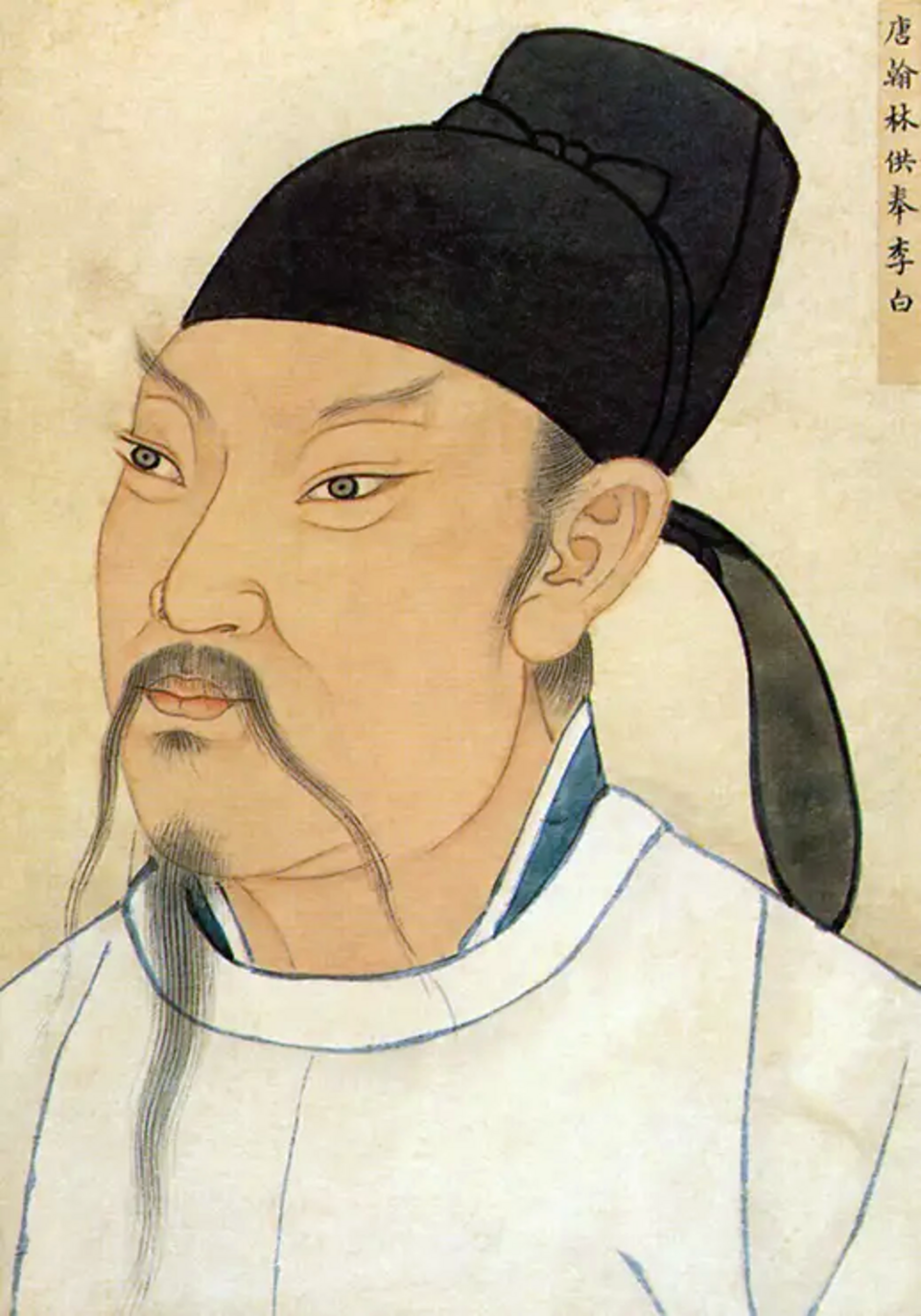
- Quiet Night Thought's image is recorded as 李白.png[4].
- Quiet Night Thought's instance of is recorded as literary work[5].
- Quiet Night Thought's genre is recorded as Tang poetry[6].
- Quiet Night Thought's language of work or name is recorded as Classical Chinese[7].
- Quiet Night Thought's country of origin is recorded as Tang dynasty[8].
- Quiet Night Thought's publication date is recorded as +0745-00-00T00:00:00Z[9].
- Quiet Night Thought's Freebase ID is recorded as /m/0n3t1gg[10].
- Quiet Night Thought's main subject is recorded as Moon[11].
- Quiet Night Thought's main subject is recorded as Confucianism[12].
- Quiet Night Thought's main subject is recorded as family[13].
- Quiet Night Thought's published in is recorded as Quan Tangshi[14].
- Quiet Night Thought's published in is recorded as Three Hundred Tang Poems[15].
- Quiet Night Thought's published in is recorded as Poems of a Thousand Masters[16].
- Quiet Night Thought's title is recorded as {'lang': 'zh', 'text': '靜夜思'}[17].
- Quiet Night Thought's first line is recorded as {'lang': 'lzh', 'text': '床前明月光'}[18].
- Quiet Night Thought's last line is recorded as {'lang': 'lzh', 'text': '低頭思故鄉'}[19].
- Quiet Night Thought's copyright status is recorded as public domain[20].
- Quiet Night Thought's form of creative work is recorded as poem[21].
Body
Works and Contributions
Quiet Night Thought authored Li Bai[3].
Why It Matters
Quiet Night Thought ranks in the top 3% of literary_work entities by monthly Wikipedia readership (327 views/month).[2] It has Wikipedia articles in 8 language editions, a strong signal of global cultural recognition.[22] It is known by 5 alternative names across languages and contexts.[23]