
Port of Thessaloniki
0 sources
Port of Thessaloniki
Summary
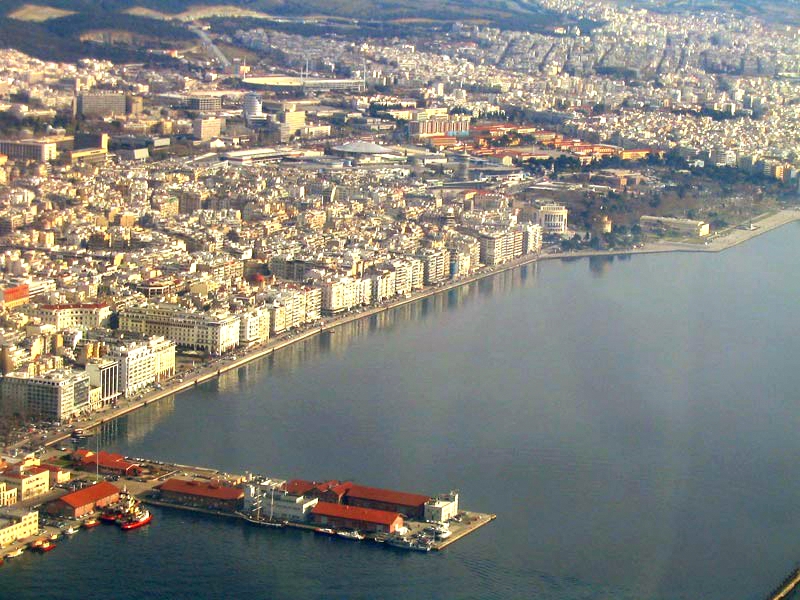
Port of Thessaloniki is a seaport[1]. It draws 90 Wikipedia views per month (seaport category, ranking #17 of 59).[2]
Key Facts
- Port of Thessaloniki is located in Thessaloniki Municipality[3].
- Port of Thessaloniki is in the country of Greece[4].
- Port of Thessaloniki is on the body of water Thermaic Gulf[5].
- Port of Thessaloniki's instance of is recorded as seaport[6].
- Port of Thessaloniki's instance of is recorded as container terminal[7].
- Port of Thessaloniki's instance of is recorded as passenger ship terminal[8].
- Port of Thessaloniki is owned by Thessaloniki Port Authority[9].
- Port of Thessaloniki is operated by Thessaloniki Port Authority[10].
- Thessaloniki is named after Port of Thessaloniki[11].
- Port of Thessaloniki took place at Thessaloniki[12].
- Port of Thessaloniki's Commons category is recorded as Port of Thessaloniki[13].
- 1900 marks the founding of Port of Thessaloniki[14].
- Port of Thessaloniki's coordinate location is recorded as {'lat': 40.636, 'lon': 22.922}[15].
- Port of Thessaloniki's official website is recorded as http://www.thpa.gr[16].
- Port of Thessaloniki covers an area of {'unit': 'Q25343', 'amount': '+1550000'}[17].
Body
Geography
Port of Thessaloniki is in the country of Greece[4]. It is located in Thessaloniki Municipality[3]. It is on the body of water Thermaic Gulf[5].
Physical Characteristics
Port of Thessaloniki covers an area of {'unit': 'Q25343', 'amount': '+1550000'}[17].
Designation and Status
Recorded instance of include seaport[6], container terminal[7], and passenger ship terminal[8].
History and Context
1900 marks the founding of Port of Thessaloniki[14]. It is owned by Thessaloniki Port Authority[9]. Thessaloniki is named after it[11].
Why It Matters
Port of Thessaloniki draws 90 Wikipedia views per month (seaport category, ranking #17 of 59).[2] It has Wikipedia articles in 9 language editions, a strong signal of global cultural recognition.[18] It is known by 7 alternative names across languages and contexts.[19]