
Philippe de Champaigne
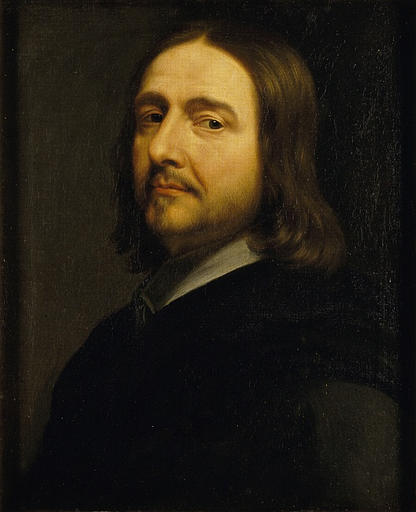
0 sources
Philippe de Champaigne was born on May 26, 1602, in Brussels [1][2][3][4][5][6][7] and died on August 12, 1674, in Paris [8][9][10][2][3][4][5][6][7][11][1]. He held citizenship in both the Kingdom of France and the Southern Netherlands [12]. His occupations included painter, architectural draftsperson, and visual artist [1][6][13][14].
He worked within the movements of Classicism and Baroque painting [15][2], producing works across multiple genres: portrait, genre art, history painting, religious art, and vanitas [2][1]. He served as a court painter .
His artistic output reflected the stylistic and thematic concerns of his time, grounded in the traditions of both Classicism and Baroque painting [15][2], while his roles as court painter and visual artist placed him at the center of elite cultural circles in France . He remained active in multiple artistic disciplines until his death in Paris [8][9][10][2][3][4][5][6][7][11][1].
Key Facts
- Philippe de Champaigne's place of birth was Brussels[2].
- Philippe de Champaigne died in Paris[4].
- Philippe de Champaigne was born on May 26, 1602[3].
- Philippe de Champaigne died on August 12, 1674[5].
- Philippe de Champaigne was married to Charlotte Duchesne[10].
- A child of Philippe de Champaigne was Catherine de Sainte-Suzanne[11].
- Philippe de Champaigne held citizenship in Kingdom of France[12].
- Philippe de Champaigne held citizenship in Southern Netherlands[13].
- Philippe de Champaigne's professions included painter[6].
- Philippe de Champaigne's professions included architectural draftsperson[7].
- Philippe de Champaigne worked as a visual artist[8].
- Philippe de Champaigne's field of work was painting[14].
- Philippe de Champaigne held the position of court painter[15].
- A notable student of Philippe de Champaigne was Nicolas de Plattemontagne[16].
- A notable work attributed to Philippe de Champaigne is Portrait of Cardinal Richelieu[17].
- A notable work attributed to Philippe de Champaigne is Vanitas[18].
- A notable work attributed to Philippe de Champaigne is Mother Catherine-Agnès Arnault and Sister Catherine de Sainte Suzanne de Champaigne[19].
- Philippe de Champaigne was a member of Académie royale de peinture et de sculpture[20].
- Philippe de Champaigne is recorded as male[21].
- Philippe de Champaigne's instance of is recorded as human[22].
- Philippe de Champaigne is associated with the Classicism movement[23].
- Philippe de Champaigne is associated with the Baroque painting movement[24].
- Philippe de Champaigne's genre is portrait[25].
- Philippe de Champaigne's genre is genre art[26].
- Philippe de Champaigne's genre is history painting[27].
Body
Origins and Family
Born in Brussels[2], Philippe de Champaigne… he was born on May 26, 1602[3].
Education
Philippe de Champaigne studied under Jacques Fouquier[28].
Career and Affiliations
Recorded occupations include painter[6], architectural draftsperson[7], and visual artist[8]. Philippe de Champaigne's field of work was painting[14]. He held the position of court painter[15]. A notable student of him was Nicolas de Plattemontagne[16].
Works and Contributions
Notable works include Portrait of Cardinal Richelieu[17], a painting[29], founded in 1637[30]; Vanitas[18], a painting[31], founded in 1646[32]; and Mother Catherine-Agnès Arnault and Sister Catherine de Sainte Suzanne de Champaigne[19], a painting[33], founded in 1662[34].
Personal Life
Philippe de Champaigne was married to Charlotte Duchesne[10]. A child of him was Catherine de Sainte-Suzanne[11].
Death and Burial
Philippe de Champaigne died on August 12, 1674[5]. He passed away in Paris[4].
Why It Matters
Philippe de Champaigne has Wikipedia articles in 23 language editions, a strong signal of global cultural recognition.[9] He is known by 72 alternative names across languages and contexts.[35]
He has been cited as an influence by Robert Nanteuil[36], a draftsperson[37], 1623–1678[38], of France[39].
FAQs
Where was Philippe de Champaigne born?
Philippe de Champaigne was born in Brussels[2].
Where did Philippe de Champaigne die?
Philippe de Champaigne passed away in Paris[4].
Who was Philippe de Champaigne married to?
Philippe de Champaigne's spouses include Charlotte Duchesne[10].
What did Philippe de Champaigne do for work?
Philippe de Champaigne worked as painter[6], architectural draftsperson[7], and visual artist[8].
Who did Philippe de Champaigne influence?
Philippe de Champaigne has been cited as an influence by Robert Nanteuil[36].