
Philip V of Spain
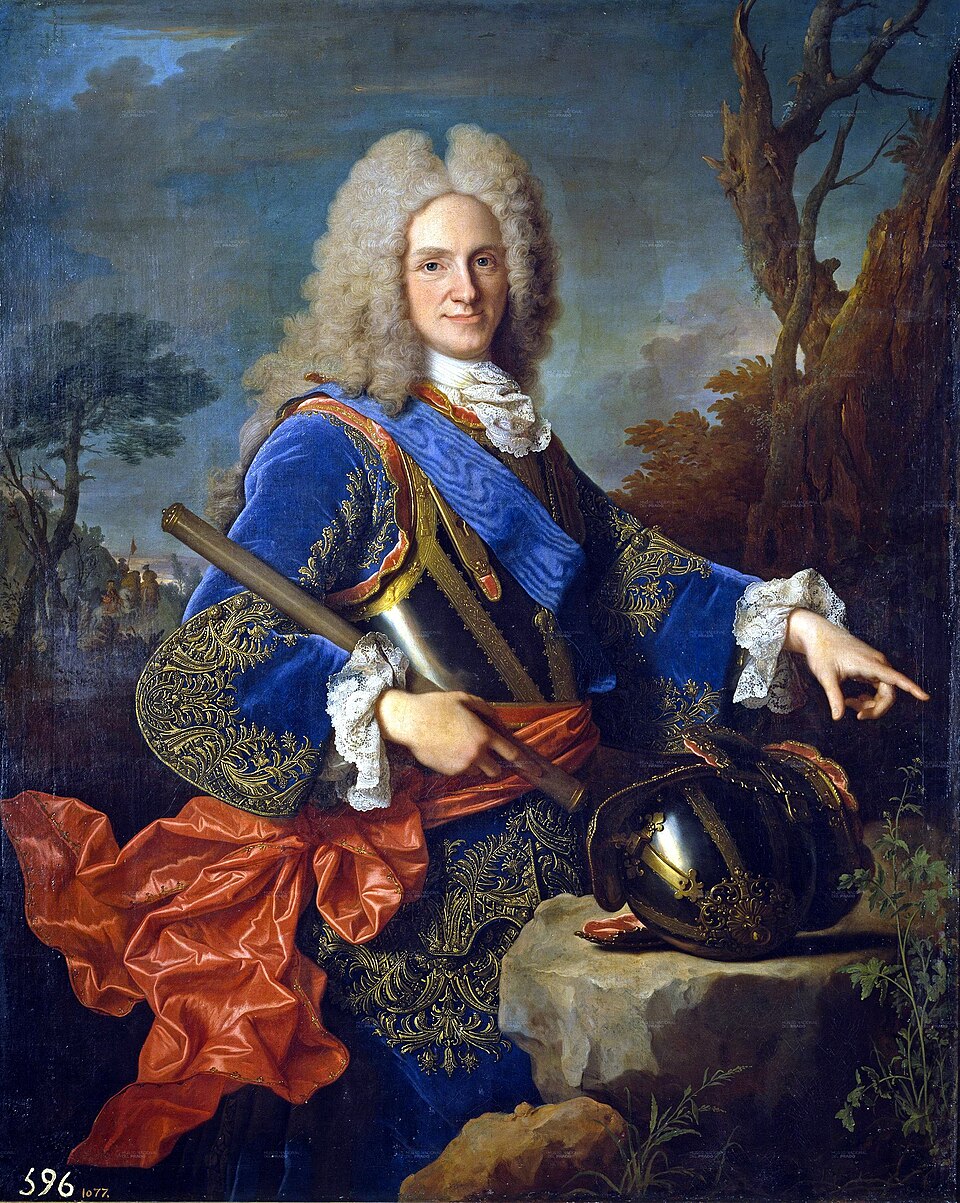
0 sources
Summary
Philip V of Spain was born on December 19, 1683[1], in Versailles[2]. He died on July 9, 1746[3], in Madrid[4]. He worked as a ruler[5], politician[6], and art collector[7]. He ranks in the top 0.46% of human entities by monthly Wikipedia readership (54,030 views/month, #4,618 of 1,000,298).[8]
Key Facts
- Place of burial: Tomb of Philip V of Spain[9], Royal Palace of La Granja de San Ildefonso[10]
- Father: Louis, Grand Dauphin[11]
- Mother: Maria Anna Victoria of Bavaria[12]
- Spouse: Maria Luisa of Savoy[13], Elisabeth Farnese[14]
- Child: Louis I of Spain[15], Ferdinand VI of Spain[16], Charles III of Spain[17], Mariana Victoria of Spain[18], Filippo I, Duke of Parma[19], Maria Teresa Rafaela of Spain[20], Infante Luis, Count of Chinchón[21], María Antonia of Spain[22], Infante Felipe Pedro of Spain[23], Philip Louis of Spain[24], Francisco of Spain[25]
- Country of citizenship: Kingdom of France[26], Kingdom of Spain[27]
- Native language: French[28]
- Position held: monarch of Spain[29], monarch of the Crown of Aragon[30], Monarch of Castile and Leon[31], Head of State of Spain[32], Duke of Anjou[33], king of Sardinia[34]
- Award received: Knight of the Order of the Holy Spirit[35], Knight of the Order of Saint-Michel[36], Knight of the Order of the Golden Fleece[37], Order of Montesa[38], Order of Santiago[39], Order of Alcántara[40], Order of Calatrava[41]
- Religion or worldview: Catholic Church[42]
- Sex or gender: male[43]
- Family: Spanish House of Bourbon[44]
- Noble title: Duke of Anjou[45], King of Spain[46], Duke of Brabant[47], King of Aragon[48], King of Castile[49], Count of Barcelona[50], King of Navarre[51], King of León[52], King of Galicia[53], King of Granada[54], duke of Milan[55], King of Jerusalem[56], king of Sardinia[57]
- Commons category: Philip V of Spain[58]
- Cause of death: stroke[59]
- Given name: Philippe[60], Felipe[61]
Body
Works and Contributions
Things named for Philip V of Spain include Puerta de Felipe V[62], a city gate[63], in Spain[64].
Why It Matters
Philip V of Spain has Wikipedia articles in 29 language editions, a strong signal of global cultural recognition.[65] He is known by 73 alternative names across languages and contexts.[66]
Entities named for him include Puerta de Felipe V[62], a city gate[63], in Spain[64].
FAQs
Where was Philip V of Spain born?
Philip V of Spain was born in Versailles[2].
Where did Philip V of Spain die?
Philip V of Spain passed away in Madrid[4].
Who were Philip V of Spain's parents?
Philip V of Spain's father was Louis, Grand Dauphin[11]. Philip V of Spain's mother was Maria Anna Victoria of Bavaria[12].
Who was Philip V of Spain married to?
Philip V of Spain's spouses include Maria Luisa of Savoy[13] and Elisabeth Farnese[14].
What did Philip V of Spain do for work?
Philip V of Spain worked as a ruler[5], politician[6], and art collector[7].
What awards did Philip V of Spain receive?
Honors received include Knight of the Order of the Holy Spirit[35], Knight of the Order of Saint-Michel[36], Knight of the Order of the Golden Fleece[37], and Order of Montesa[38].