
Petrus Plancius
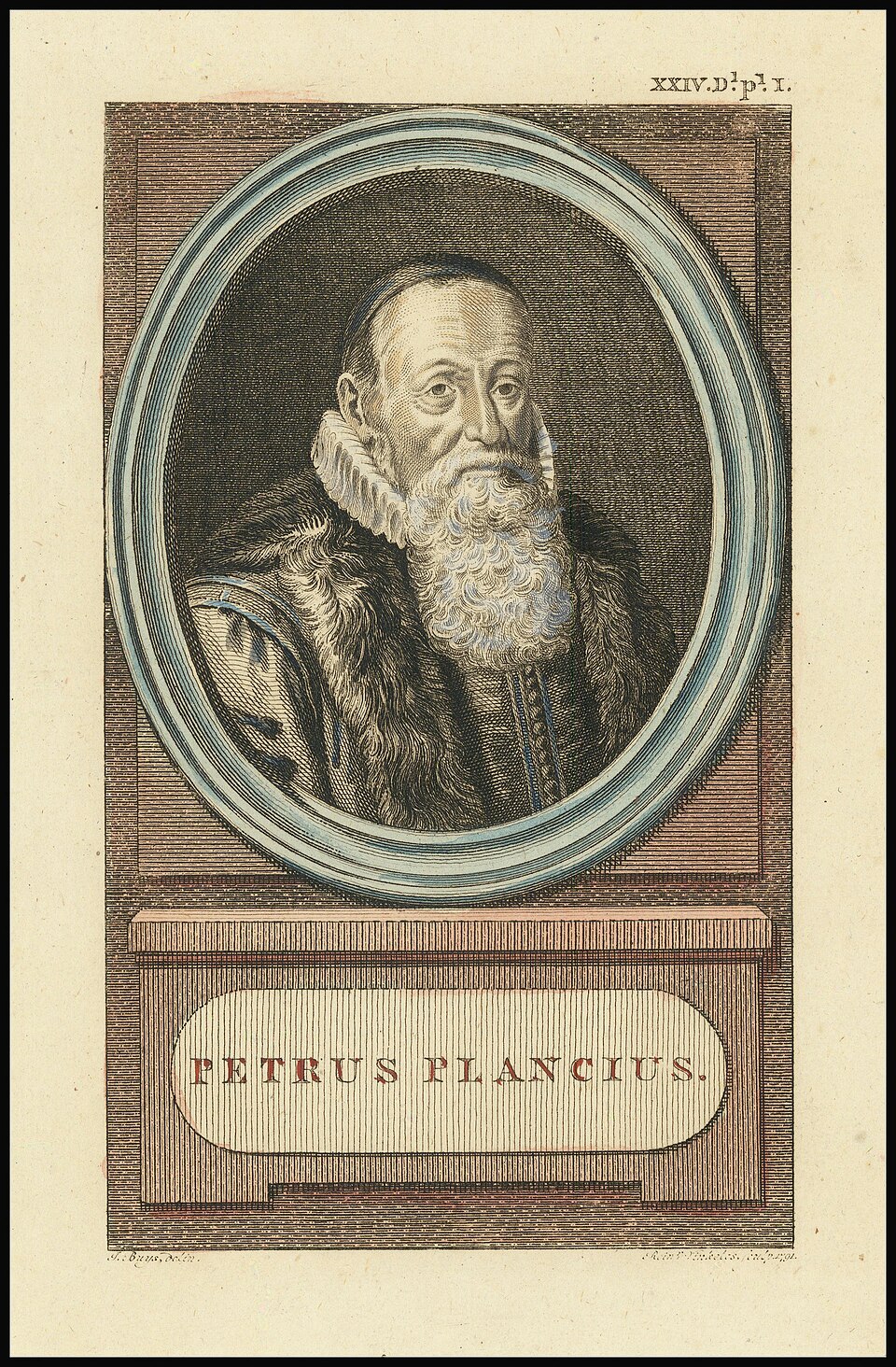
0 sources
Summary
Petrus Plancius is a human[1]. He was born in Dranouter[2]. He was born on January 1, 1552[3]. He died in Amsterdam[4]. He died on May 15, 1622[5]. He worked as an astronomer[6], cartographer[7], theologian[8], cleric[9], and instrument maker[10]. He has Wikipedia articles in 20 language editions, a strong signal of global cultural recognition.[11]
Key Facts
- Petrus Plancius was born in Dranouter[2].
- Petrus Plancius died in Amsterdam[4].
- Petrus Plancius was born on January 1, 1552[3].
- Petrus Plancius was born on 1522[12].
- Petrus Plancius died on May 15, 1622[5].
- A child of Petrus Plancius was Jeremias Plancius[13].
- A child of Petrus Plancius was Daniel Plancius[14].
- Petrus Plancius held citizenship in Dutch Republic[15].
- Dutch was Petrus Plancius's native language[16].
- Petrus Plancius worked as an astronomer[6].
- Petrus Plancius worked as a cartographer[7].
- Petrus Plancius's professions included theologian[8].
- Petrus Plancius worked as a cleric[9].
- Petrus Plancius worked as an instrument maker[10].
- Petrus Plancius's professions included geographer[17].
- Petrus Plancius's field of work was theology[18].
- Among Petrus Plancius's employers was Dutch East India Company[19].
- Petrus Plancius's religion is recorded as Protestantism[20].
- Petrus Plancius is recorded as male[21].
- Petrus Plancius's instance of is recorded as human[22].
- Petrus Plancius's Commons category is recorded as Petrus Plancius[23].
- Petrus Plancius's given name is recorded as Petrus[24].
- Petrus Plancius's official website is recorded as https://de.wikisource.org/wiki/ADB:Plancius,_Peter[25].
- Petrus Plancius's official website is recorded as https://nl.wikipedia.org/wiki/Petrus_Plancius[26].
- Petrus Plancius's work location is recorded as Amsterdam[27].
Body
Origins and Family
Petrus Plancius's place of birth was Dranouter[2]. Recorded date of birth include January 1, 1552[3] and 1522[12]. Dutch was his native language[16].
Career and Affiliations
Recorded occupations include astronomer[6], cartographer[7], theologian[8], cleric[9], instrument maker[10], and geographer[17]. Petrus Plancius's field of work was theology[18]. Among his employers was Dutch East India Company[19].
Personal Life
Children include Jeremias Plancius[13], a Christian minister[28], 1583–1617[29] and Daniel Plancius[14], a pastor[30], 1582–1618[31]. Petrus Plancius's religion is recorded as Protestantism[20].
Death and Burial
Petrus Plancius died on May 15, 1622[5]. He passed away in Amsterdam[4].
Works and Contributions
Things named for Petrus Plancius include 10648 Plancius[32] and Plancius medal[33].
Why It Matters
Petrus Plancius has Wikipedia articles in 20 language editions, a strong signal of global cultural recognition.[11] He is known by 12 alternative names across languages and contexts.[34]
He is credited with the discovery of Crux[35], a constellation[36], founded in 1590[37]; Monoceros[38], a constellation[39]; Apus[40], a constellation[41]; Musca[42], a constellation[43]; Chamaeleon[44], a constellation[45]; and Phoenix[46], a constellation[47]. Entities named for him include 10648 Plancius[32] and Plancius medal[33].
FAQs
Where was Petrus Plancius born?
Born in Dranouter[2].
Where did Petrus Plancius die?
Petrus Plancius passed away in Amsterdam[4].
What did Petrus Plancius do for work?
Petrus Plancius worked as astronomer[6], cartographer[7], theologian[8], cleric[9], and instrument maker[10].
What did Petrus Plancius discover?
Petrus Plancius is credited as discoverer of Crux[35], Monoceros[38], Apus[40], and Musca[42].