
Pedetes capensis
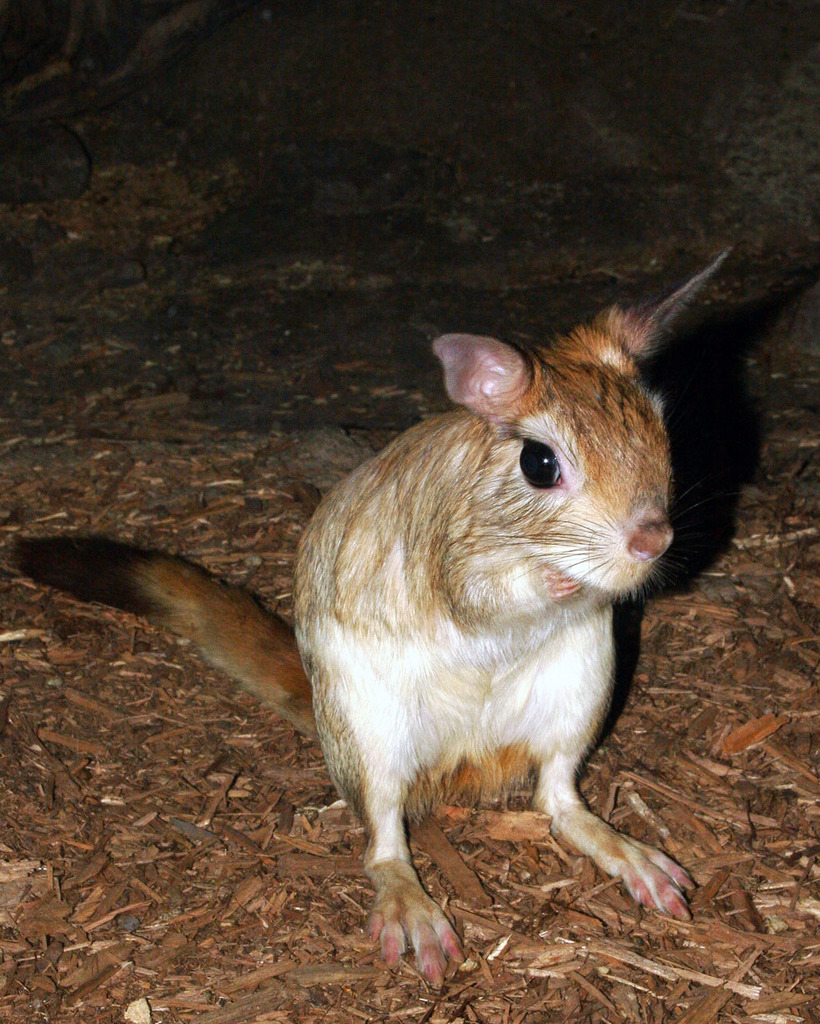
0 sources
Summary
Pedetes capensis is a taxon[1]. It ranks in the top 0.78% of taxon entities by monthly Wikipedia readership (668 views/month, #1,529 of 195,241).[2]
Key Facts
- Pedetes capensis's instance of is recorded as taxon[3].
- Pedetes capensis is classified at the rank of species[4].
- Pedetes capensis's IUCN conservation status is recorded as Least Concern[5].
- Pedetes capensis is classified within Pedetes[6].
- Under binomial nomenclature, Pedetes capensis is Pedetes capensis[7].
- Pedetes capensis's Commons category is recorded as Pedetes capensis[8].
- Pedetes capensis's topic's main category is recorded as Category:Pedetes capensis[9].
- Pedetes capensis's Commons gallery is recorded as Pedetes capensis[10].
- Pedetes capensis's described by source is recorded as Gujin Tushu Jicheng[11].
- Pedetes capensis's described by source is recorded as Encyclopædia Britannica 11th edition[12].
- Pedetes capensis is commonly known as {'lang': 'en', 'text': 'Springhaas'}[13].
- Pedetes capensis is commonly known as {'lang': 'en', 'text': 'Springhare'}[14].
- Pedetes capensis is commonly known as {'lang': 'en', 'text': 'Spring Hare'}[15].
- Pedetes capensis is commonly known as {'lang': 'en', 'text': 'South African Spring Hare'}[16].
- Pedetes capensis is commonly known as {'lang': 'de', 'text': 'Südafrikanischer Springhase'}[17].
- Pedetes capensis is commonly known as {'lang': 'ast', 'text': 'llebre saltadora'}[18].
- Pedetes capensis's gestation period is recorded as {'unit': 'day', 'amount': '+77'}[19].
- Pedetes capensis's longest observed lifespan is recorded as {'unit': 'year', 'amount': '+20'}[20].
- Pedetes capensis's diel cycle is recorded as nocturnal[21].
Body
Classification
Under binomial nomenclature, Pedetes capensis is Pedetes capensis[7]. It is classified at the rank of species[4]. It is classified within Pedetes[6]. Recorded taxon common name include {'lang': 'en', 'text': 'Springhaas'}[13], {'lang': 'en', 'text': 'Springhare'}[14], {'lang': 'en', 'text': 'Spring Hare'}[15], {'lang': 'en', 'text': 'South African Spring Hare'}[16], {'lang': 'de', 'text': 'Südafrikanischer Springhase'}[17], and {'lang': 'ast', 'text': 'llebre saltadora'}[18].
Identifiers
Pedetes capensis's iNaturalist taxon ID is recorded as 45929[22]. Pedetes capensis's NCBI taxonomy ID is recorded as 10023[23]. Pedetes capensis's Encyclopedia of Life ID is recorded as 289798[24]. Pedetes capensis's GBIF taxon ID is recorded as 5219942[25]. Pedetes capensis's ITIS TSN is recorded as 573198[26].
Why It Matters
Pedetes capensis ranks in the top 0.78% of taxon entities by monthly Wikipedia readership (668 views/month, #1,529 of 195,241).[2] It has Wikipedia articles in 19 language editions, a strong signal of global cultural recognition.[27] It is known by 30 alternative names across languages and contexts.[28]