
Palma il Giovane
0 sources
Palma il Giovane
Summary
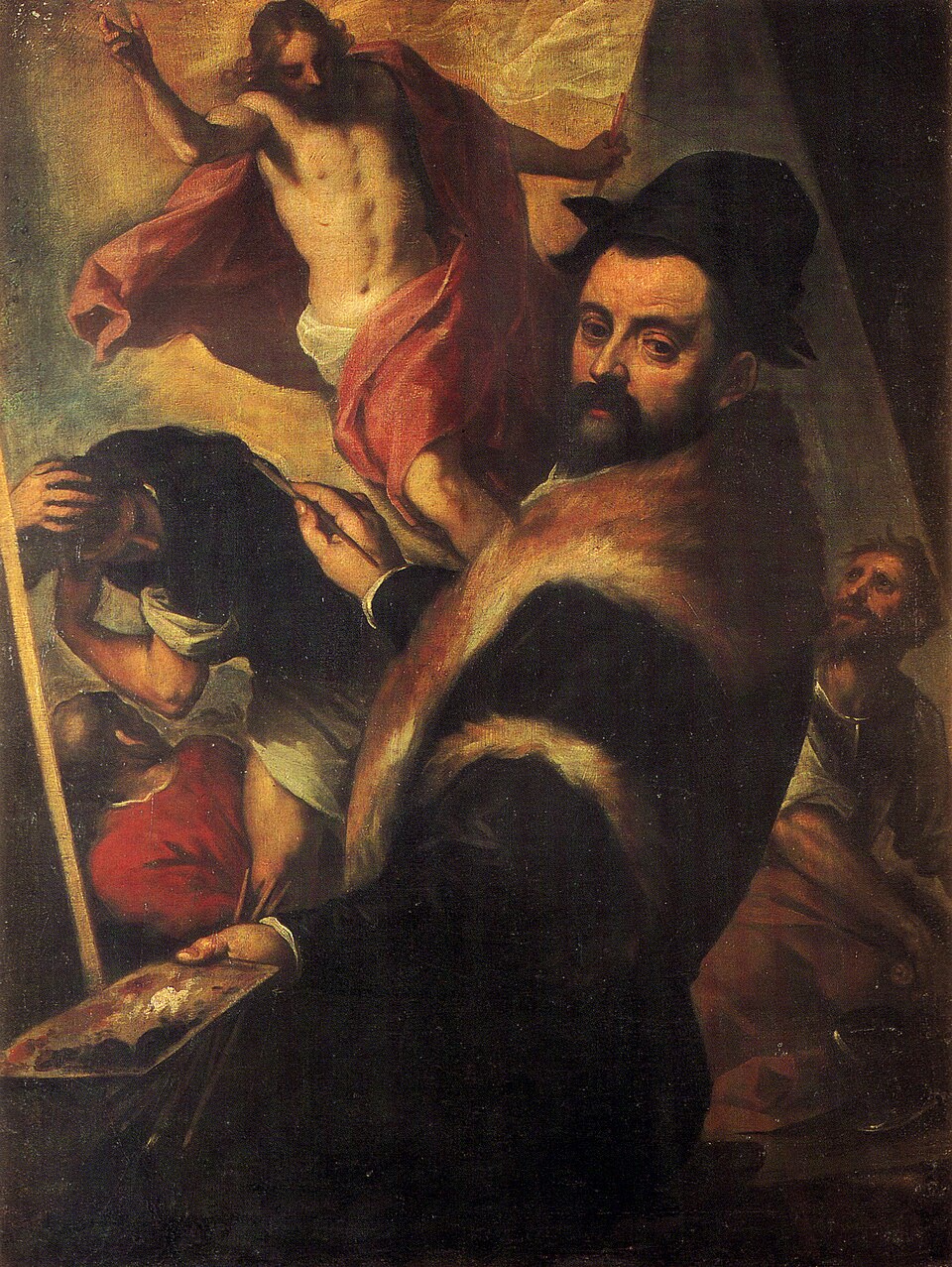
Palma il Giovane is a human[1]. Born in Venice[2], he… he was born on January 1, 1544[3]. He died in Venice[4]. He died on October 14, 1628[5]. He worked as a painter[6], etcher[7], graphic artist[8], engraver[9], and draftsperson[10]. He has Wikipedia articles in 16 language editions, a strong signal of global cultural recognition.[11]
Key Facts
- Born in Venice[2], Palma il Giovane…
- Palma il Giovane died in Venice[4].
- Palma il Giovane was born on January 1, 1544[3].
- Palma il Giovane was born on 1550[12].
- Palma il Giovane died on October 14, 1628[5].
- Palma il Giovane died on October 17, 1628[13].
- Palma il Giovane died on January 1, 1648[14].
- Palma il Giovane's father was Antonio Palma[15].
- Palma il Giovane held citizenship in Republic of Venice[16].
- Palma il Giovane's professions included painter[6].
- Palma il Giovane worked as an etcher[7].
- Palma il Giovane worked as a graphic artist[8].
- Palma il Giovane worked as an engraver[9].
- Palma il Giovane worked as a draftsperson[10].
- Palma il Giovane's professions included visual artist[17].
- Palma il Giovane's field of work was painting[18].
- A notable work attributed to Palma il Giovane is St Jerome Reading in the Desert[19].
- A notable work attributed to Palma il Giovane is Portrait of Vincenzo Cappello[20].
- A notable work attributed to Palma il Giovane is Lot and his Daughters[21].
- A notable work attributed to Palma il Giovane is Victory of Francesco Bembo over Filippo Maria Visconti[22].
- A notable work attributed to Palma il Giovane is Adoration of the Crucifix by the Dominican saints[23].
- A notable work attributed to Palma il Giovane is Conquest of Padua[24].
- Palma il Giovane is recorded as male[25].
- Palma il Giovane's instance of is recorded as human[26].
- Palma il Giovane is associated with the High Renaissance movement[27].
Body
Origins and Family
Palma il Giovane was born in Venice[2]. Recorded date of birth include January 1, 1544[3] and 1550[12]. His father was Antonio Palma[15].
Career and Affiliations
Recorded occupations include painter[6], etcher[7], graphic artist[8], engraver[9], draftsperson[10], and visual artist[17]. Palma il Giovane's field of work was painting[18].
Works and Contributions
Notable works include St Jerome Reading in the Desert[19], a painting[28], founded in 1590[29]; Portrait of Vincenzo Cappello[20], a painting[30], in France[31], founded in 1610[32]; Lot and his Daughters[21], a painting[33], in Netherlands[34], founded in 1610[35]; Victory of Francesco Bembo over Filippo Maria Visconti[22], a painting[36], in Italy[37], founded in 1578[38]; Adoration of the Crucifix by the Dominican saints[23], a painting[39], in Italy[40]; and Conquest of Padua[24], a painting[41], in Italy[42].
Death and Burial
Recorded date of death include October 14, 1628[5], October 17, 1628[13], and January 1, 1648[14]. Palma il Giovane died in Venice[4].
Why It Matters
Palma il Giovane has Wikipedia articles in 16 language editions, a strong signal of global cultural recognition.[11] He is known by 137 alternative names across languages and contexts.[43]
FAQs
Where was Palma il Giovane born?
Palma il Giovane was born in Venice[2].
Where did Palma il Giovane die?
Palma il Giovane passed away in Venice[4].
Who were Palma il Giovane's parents?
Palma il Giovane's father was Antonio Palma[15].
What did Palma il Giovane do for work?
Palma il Giovane worked as painter[6], etcher[7], graphic artist[8], engraver[9], and draftsperson[10].