
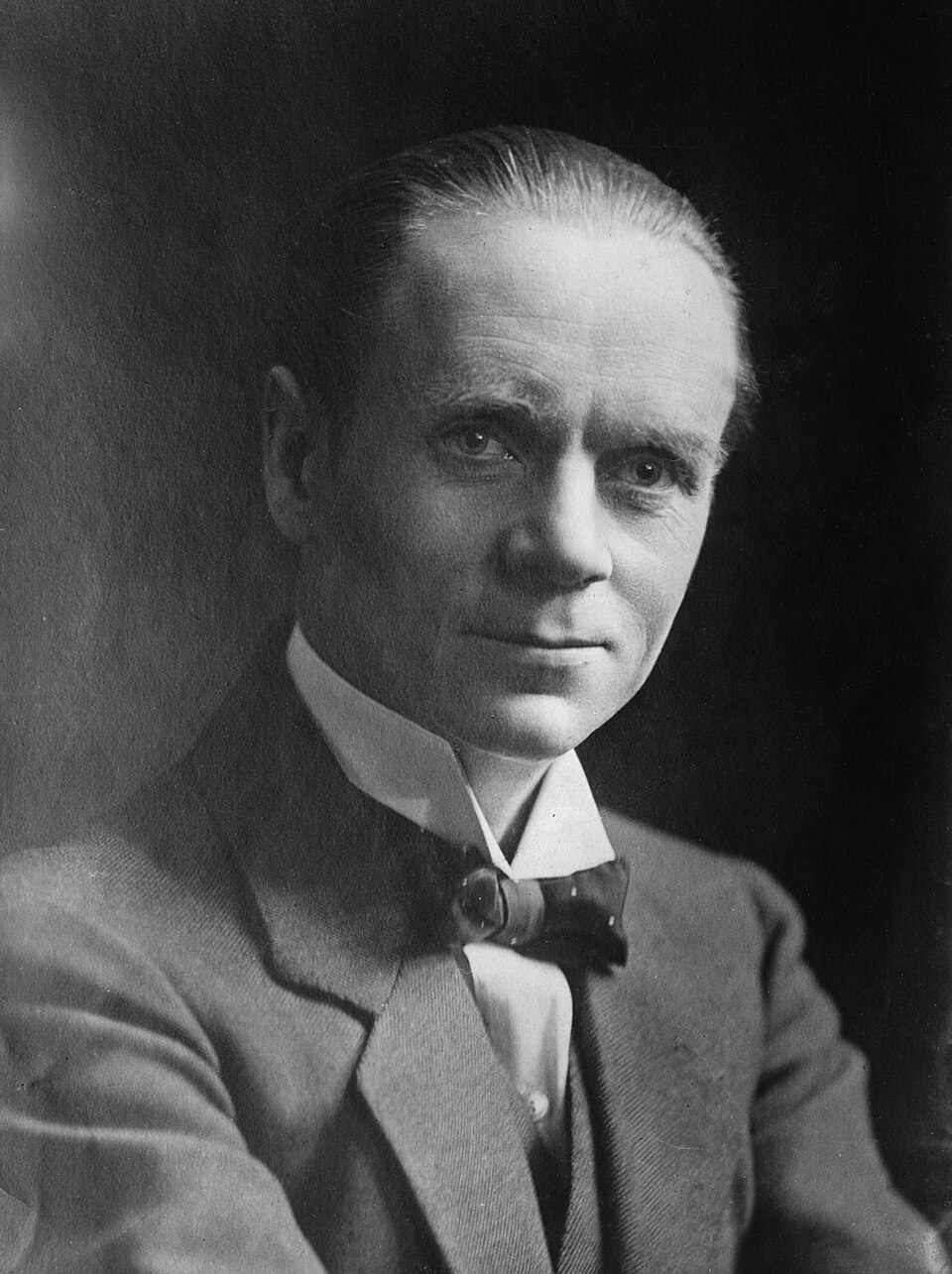
Norman Angell
0 sources
Summary
Norman Angell was born on December 26, 1872[1], in Holbeach[2]. He died on October 7, 1967[3], in Croydon[4]. He worked as a lecturer[5], journalist[6], politician[7], pedagogue[8], and writer[9]. He ranks in the top 0.72% of human entities by monthly Wikipedia readership (987 views/month, #7,227 of 1,000,298).[10]
Key Facts
- Place of birth: Mansion House[11]
- Date of birth: December 26, 1874[12], January 1, 1874[13]
- Date of death: January 1, 1967[14]
- Country of citizenship: United Kingdom[15]
- Occupation: economist[16], political scientist[17], opinion journalist[18]
- Position held: member of the 35th Parliament of the United Kingdom[19]
- Educated at: University of Geneva[20]
- Award received: Nobel Peace Prize[21], Knight Bachelor[22]
- Member of: Chatham House[23], Union of Democratic Control[24]
- Sex or gender: male[25]
- Member of political party: Labour Party[26]
- Commons category: Norman Angell[27]
- Family name: Lane[28], Angell[29]
- Given name: Norman[30], Ralph[31]
- Work location: London[32]
- Described by source: Granat Encyclopedic Dictionary[33], Great Soviet Encyclopedia (1926–1947)[34], Library of the World's Best Literature[35]
- Nominated for: Nobel Peace Prize[36]
- Languages spoken, written or signed: English[37]
- Name in native language: Norman Angell[38]
Why It Matters
Norman Angell has Wikipedia articles in 26 language editions, a strong signal of global cultural recognition.[39] He is known by 47 alternative names across languages and contexts.[40]
Works attributed to him include The Great Illusion[41], a written work[42].
FAQs
Where was Norman Angell born?
Norman Angell was born in Holbeach[2].
Where did Norman Angell die?
Norman Angell passed away in Croydon[4].
What did Norman Angell do for work?
Norman Angell worked as a lecturer[5], journalist[6], politician[7], pedagogue[8], and writer[9].
Where did Norman Angell go to school?
Norman Angell was educated at University of Geneva[20].
What awards did Norman Angell receive?
Honors received include Nobel Peace Prize[21] and Knight Bachelor[22].