
Nicolae Iorga
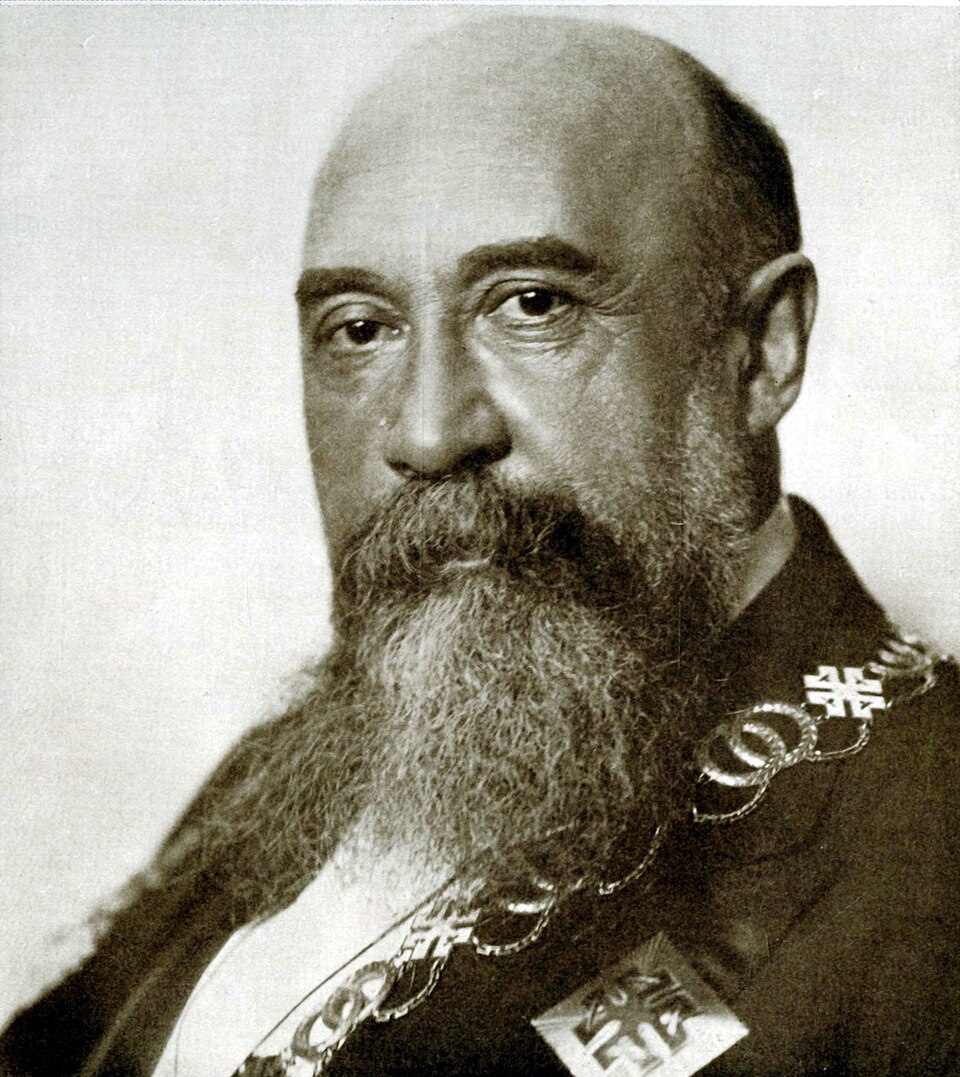
0 sources
Summary
Nicolae Iorga was born on January 17, 1871[1], in Botoșani[2]. He died on November 27, 1940[3], in Strejnicu[4]. He worked as a politician[5], linguist[6], geopolitical analyst[7], poet[8], and historian of Eastern Europe[9]. He ranks in the top 0.71% of human entities by monthly Wikipedia readership (1,615 views/month, #7,131 of 1,000,298).[10]
Key Facts
- Date of birth: June 5, 1871[11], June 18, 1871[12]
- Date of death: November 28, 1940[13]
- Place of burial: Bellu Cemetery[14]
- Mother: Zulnia Iorga[15]
- Spouse: Ecaterina Iorga[16]
- Child: Liliana Iorga[17]
- Country of citizenship: United Principalities of Moldavia and Wallachia[18], Kingdom of Romania[19]
- Occupation: historian[20], philosopher[21], literary historian[22], playwright[23], literary critic[24], journalist[25], orientalist[26], biographer[27], children's writer[28], classical scholar[29], translator[30], university teacher[31], writer[32], publisher[33]
- Field of work: history[34], politics[35], creative and professional writing[36], literary criticism[37], memoir literature[38], poetry[39]
- Position held: Prime Minister of Romania[40], member of the Chamber of Deputies of Romania[41], President of the Senate of Romania[42]
- Employer: University of Paris[43], University of Bucharest[44], Alexandru Ioan Cuza University[45]
- Educated at: Alexandru Ioan Cuza University[46], Leipzig University[47], Humboldt-Universität zu Berlin[48], École pratique des hautes études[49]
- Award received: Legion of Honour[50], doctor honoris causa from the University of Lyon[51], honorary doctorate from the University of Strasbourg[52], doctor honoris causa from the University of Paris[53], doctor honoris causa from the University of Alger[54], honorary doctor of Comenius University[55]
- Member of: Serbian Academy of Sciences and Arts[56], Romanian Academy[57], Lwów Scientific Society[58], Royal Swedish Academy of Letters, History and Antiquities[59], Académie des Inscriptions et Belles-Lettres[60], Accademia Nazionale dei Lincei[61]
- Religion or worldview: Romanian Orthodox Church[62]
- Sex or gender: male[63]
- Member of political party: Democratic Nationalist Party[64]
- Commons category: Nicolae Iorga[65]
- Cause of death: gunshot wound[66]
Why It Matters
Nicolae Iorga has Wikipedia articles in 24 language editions, a strong signal of global cultural recognition.[67] He is known by 35 alternative names across languages and contexts.[68]
He has been cited as an influence by Mircea Eliade[69], an anthropologist[70], 1907–1986[71], of Kingdom of Romania[72], awarded the Gordon J. Laing Award[73], specialised in religious studies[74].
Works attributed to him include Byzantium after Byzantium[75], a written work[76].
FAQs
Where was Nicolae Iorga born?
Nicolae Iorga was born in Botoșani[2].
Where did Nicolae Iorga die?
Nicolae Iorga passed away in Strejnicu[4].
Who were Nicolae Iorga's parents?
Nicolae Iorga's mother was Zulnia Iorga[15].
Who was Nicolae Iorga married to?
Nicolae Iorga's spouses include Ecaterina Iorga[16].
What did Nicolae Iorga do for work?
Nicolae Iorga worked as a politician[5], linguist[6], geopolitical analyst[7], poet[8], and historian of Eastern Europe[9].
Where did Nicolae Iorga go to school?
Nicolae Iorga was educated at Alexandru Ioan Cuza University[46], Leipzig University[47], Humboldt-Universität zu Berlin[48], and École pratique des hautes études[49].
What awards did Nicolae Iorga receive?
Honors received include Legion of Honour[50], doctor honoris causa from the University of Lyon[51], honorary doctorate from the University of Strasbourg[52], and doctor honoris causa from the University of Paris[53].
Who did Nicolae Iorga influence?
Nicolae Iorga has been cited as an influence by Mircea Eliade[69].