
Mehmed II
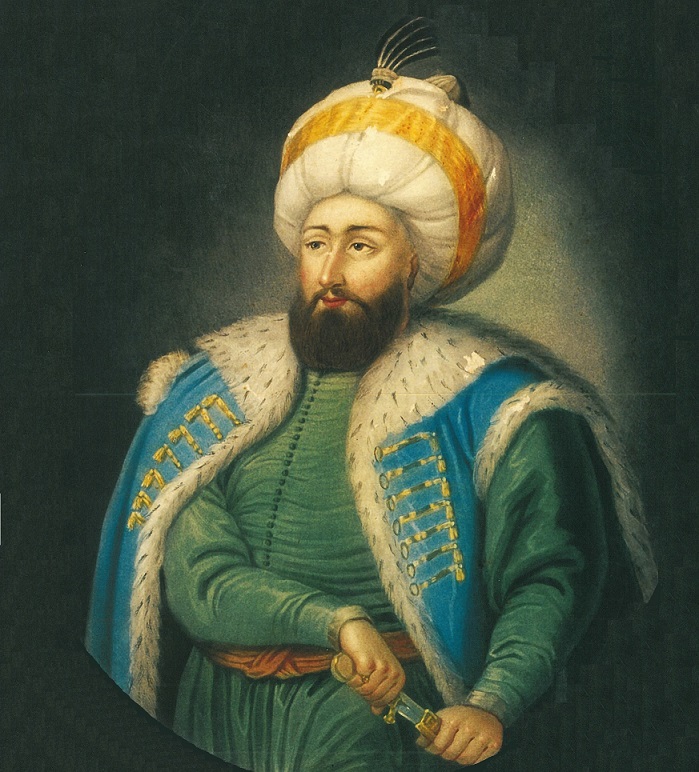
0 sources
Summary
Mehmed II was born on March 30, 1432[1], in Edirne[2]. He died on May 3, 1481[3], in Gebze[4]. He worked as a monarch[5], poet[6], and sultan[7]. He ranks in the top 0.32% of human entities by monthly Wikipedia readership (36,024 views/month, #3,195 of 1,000,298).[8]
Key Facts
- Place of burial: Fatih Istanbul Mosque[9], Tomb of Mehmed the Conqueror[10]
- Father: Murad II[11]
- Mother: Hüma Hatun[12]
- Spouse: Sittişah Mükrime Hatun[13], Anna Komnene[14]
- Child: Bayezid II[15], Cem Sultan[16], Gevherhan Hatun[17], Şehzade Mustafa[18]
- Country of citizenship: Ottoman Empire[19]
- Native language: Ottoman Turkish[20]
- Position held: sultan of the Ottoman Empire[21]
- Religion or worldview: Islam[22]
- Sex or gender: male[23]
- Family: Ottoman dynasty[24]
- Noble title: sultan[25]
- Commons category: Mehmed II[26]
- Unmarried partner: Gülbahar Hatun[27], Gülşah Hatun[28], Çiçek Hatun[29]
- Given name: Mehmed[30], Mehmet[31]
- Pseudonym: عونى[32]
- Topic's main category: Category:Mehmed II[33]
- Commons gallery: Fatih Sultan Mehmed[34]
- Depicted by: Medal of Mehmed II[35], Medal of Mehmed II, Museo Correr[36]
- Described by source: Brockhaus and Efron Encyclopedic Dictionary[37], Tārīkh al-dawlah al-ʻalīyah al-ʻUthmānīyah (Muḥammad Afandī, 1893)[38]
- Languages spoken, written or signed: Ottoman Turkish[39], Arabic[40], Persian[41], Biblical Hebrew[42], medieval Greek[43]
Product Details
The following facts are restated verbatim from public-domain and CC0 open-data sources — every line is independently verifiable against the named source's catalog.
MusicBrainz — CC0 open music encyclopedia
-
Type: Person[44]
-
Country: TR[45]
-
Began / founded: 1432-03-30[46]
-
Ended / dissolved: 1481-03-05[47]
-
MusicBrainz ID: ba01c2d1-0170-4a0a-8761-98013af51990[48]
Body
Works and Contributions
Things named for Mehmed II include Fatih Sultan Mehmet Bridge[49], a road bridge[50], in Turkey[51], founded in 1988[52]; Emperor's Mosque[53], a mosque[54], in Bosnia and Herzegovina[55], founded in 1457[56]; King's Mosque in Pristina[57], a mosque[58], in Kosovo[59], founded in 1461[60]; Fatih Mosque[61], a mosque[62], in Albania[63], founded in 1503[64]; Great Hamam of Prishtina[65], a hammam[66], in Kosovo[67]; Fatih Sultan Mehmet[68], a mahalle[69], in Turkey[70]; Fatih Bridge[71], a bridge[72], in Turkey[73]; and Fatih Mehmet Mosque[74].
Why It Matters
Mehmed II has Wikipedia articles in 30 language editions, a strong signal of global cultural recognition.[75] He is known by 162 alternative names across languages and contexts.[76]
Entities named for him include Fatih Sultan Mehmet Bridge[49], a road bridge[50], in Turkey[51], founded in 1988[52]; Emperor's Mosque[53], a mosque[54], in Bosnia and Herzegovina[55], founded in 1457[56]; King's Mosque in Pristina[57], a mosque[58], in Kosovo[59], founded in 1461[60]; Fatih Mosque[61], a mosque[62], in Albania[63], founded in 1503[64]; Great Hamam of Prishtina[65], a hammam[66], in Kosovo[67]; and Fatih Sultan Mehmet[68], a mahalle[69], in Turkey[70].
FAQs
Where was Mehmed II born?
Mehmed II's place of birth was Edirne[2].
Where did Mehmed II die?
Mehmed II died in Gebze[4].
Who were Mehmed II's parents?
Mehmed II's father was Murad II[11]. Mehmed II's mother was Hüma Hatun[12].
Who was Mehmed II married to?
Mehmed II's spouses include Sittişah Mükrime Hatun[13] and Anna Komnene[14].