
Martin Buber
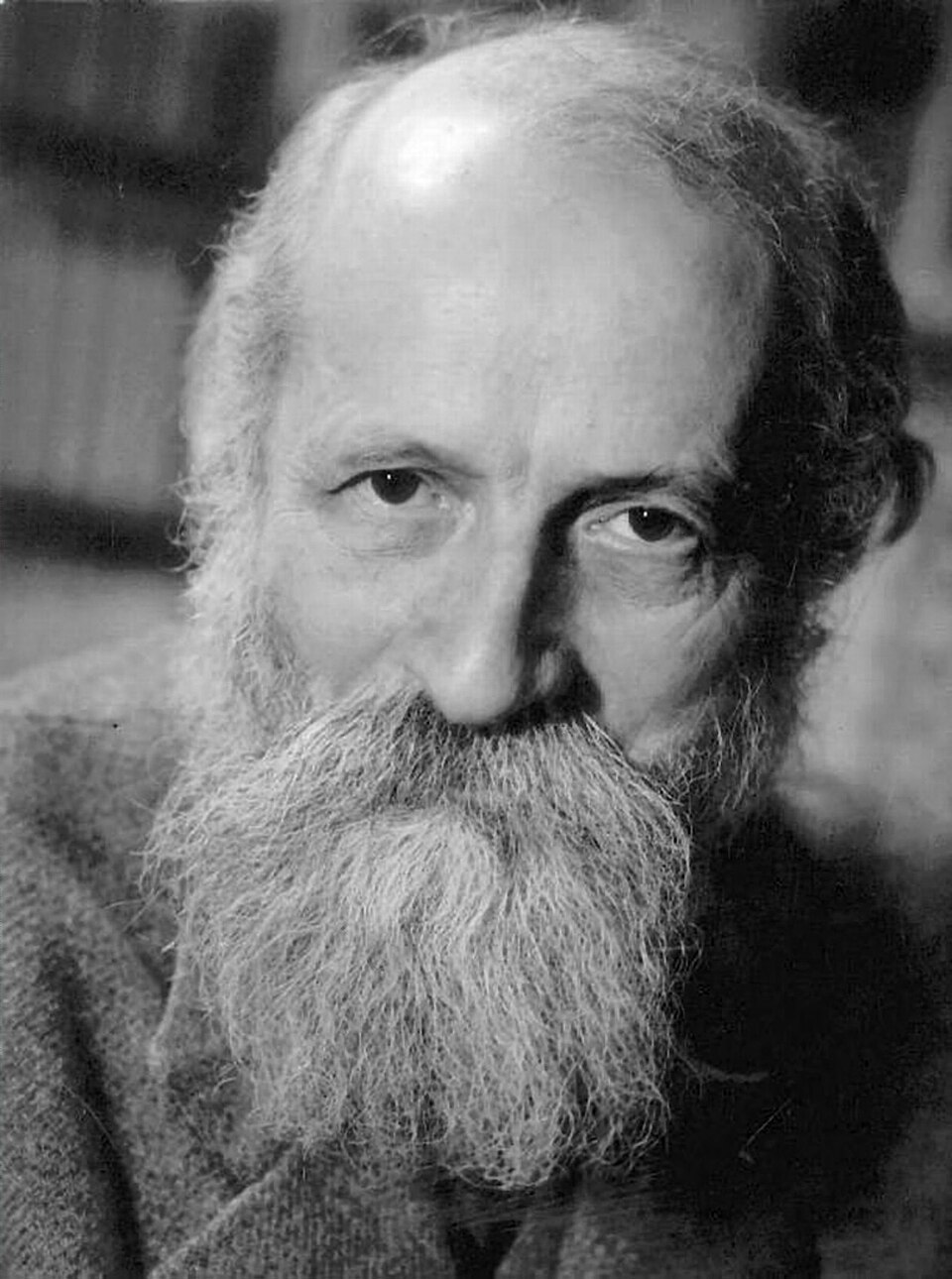
0 sources
Martin Buber was born on February 8, 1878, in Vienna[1][2][3][4][5][6][7][8][9][10][11][12][13][14][15] and died on June 13, 1965, in Jerusalem[1][14][2][3][4][5][8][9][10][11][12][13][15]. He held citizenship in the Weimar Republic, Israel, and Austria[15]. He was married to Paula Buber from 1907 to 1958, and they had a child named Rafael Buber[15]. He was buried at Har HaMenuchot[6].
He was educated at the University of Vienna, Humboldt-Universität zu Berlin, the University of Zurich, and Leipzig University. His professional roles included philosopher, existentialist, translator, pedagogue, writer, and literary editor[12][15][1]. His work spanned the fields of ontology, Judaism, philosophy, and literature[16] within the movement of Western philosophy.
He was influenced by Salomon Buber, Immanuel Kant, Søren Kierkegaard, Friedrich Nietzsche, Baal Shem Tov, and Otto Weininger. During his life, he received the Israel Prize, the Bialik Prize, the Erasmus Prize, the Peace Prize of the German Publishers' and Booksellers' Association, the Goethe Plaque of the City of Frankfurt, and an honorary doctorate from the Hebrew University of Jerusalem, among two other awards[17][18][19][20][21].
Key Facts
- Place of burial: Har HaMenuchot[11]
- Father: Carl Buber[12]
- Mother: Elise Buber[13]
- Spouse: Paula Buber[14]
- Child: Rafael Buber[15], Eva Strauss-Buber[16]
- Country of citizenship: Weimar Republic[17], Israel[18], Austria[19], Germany[20], Cisleithania[21]
- Ethnic group: Jewish people[22]
- Occupation: literary editor[23], university teacher[24], Bible translator[25], zionist[26], theologian[27], librettist[28], philosopher of religion[29]
- Field of work: ontology[30], Judaism[31], philosophy[32], literature[33], translation[34], educational system[35]
- Employer: Goethe University Frankfurt[36], Hebrew University of Jerusalem[37], Die Welt[38]
- Educated at: University of Vienna[39], Humboldt-Universität zu Berlin[40], University of Zurich[41], Leipzig University[42]
- Award received: Israel Prize[43], Bialik Prize[44], Erasmus Prize[45], Peace Prize of the German Publishers' and Booksellers' Association[46], Goethe Plaque of the City of Frankfurt[47], honorary doctor of the Hebrew University of Jerusalem[48], honorary doctor of the University of Münster[49], Honorary doctor of the Heidelberg University[50], honorary citizen of Jerusalem[51], doctor honoris causa from the University of Paris[52]
- Member of: Israel Academy of Sciences and Humanities[53], American Academy of Arts and Sciences[54], Bavarian Academy of Fine Arts[55], Der Kraal[56], Brit Shalom[57]
- Sex or gender: male[58]
- Movement: Western philosophy[59]
- Commons category: Martin Buber[60]
- Archives at: National Library of Israel[61], ETH Zurich University Archives[62]
- Academic degree: Doctor of Philosophy[63]
Body
Works and Contributions
Things named for Martin Buber include Buber-Rosenzweig-Medal[64], a religion-related award[65], in Germany[66], founded in 1968[67] and Martin Buber Award[68], an award[69].
Why It Matters
Martin Buber has Wikipedia articles in 28 language editions, a strong signal of global cultural recognition.[70] He is known by 46 alternative names across languages and contexts.[71]
He has been cited as an influence by Carolyn Forché[72], a poet[73], b. 1950[74], of United States[75], awarded the Guggenheim Fellowship[76]; Nel Noddings[77], a philosopher[78], 1929–2022[79], of United States[80], specialised in philosophy of education[81]; and Hugo Bergmann[82], a librarian[83], 1883–1975[84], of Austria[85], awarded the Israel Prize[86], specialised in philosophy[87].
Works attributed to him include I and Thou[88], a literary work[89]. Entities named for him include Buber-Rosenzweig-Medal[64], a religion-related award[65], in Germany[66], founded in 1968[67] and Martin Buber Award[68], an award[69].
FAQs
Where was Martin Buber born?
Martin Buber was born in Vienna[2].
Where did Martin Buber die?
Martin Buber died in Jerusalem[4].
Who were Martin Buber's parents?
Martin Buber's father was Carl Buber[12]. Martin Buber's mother was Elise Buber[13].
Who was Martin Buber married to?
Martin Buber's spouses include Paula Buber[14].
What did Martin Buber do for work?
Martin Buber worked as a philosopher[5], existentialist[6], translator[7], pedagogue[8], and writer[9].
Where did Martin Buber go to school?
Martin Buber was educated at University of Vienna[39], Humboldt-Universität zu Berlin[40], University of Zurich[41], and Leipzig University[42].
What awards did Martin Buber receive?
Honors received include Israel Prize[43], Bialik Prize[44], Erasmus Prize[45], and Peace Prize of the German Publishers' and Booksellers' Association[46].
Who did Martin Buber influence?
Martin Buber has been cited as an influence by Carolyn Forché[72], Nel Noddings[77], and Hugo Bergmann[82].