
Manuel Chrysoloras
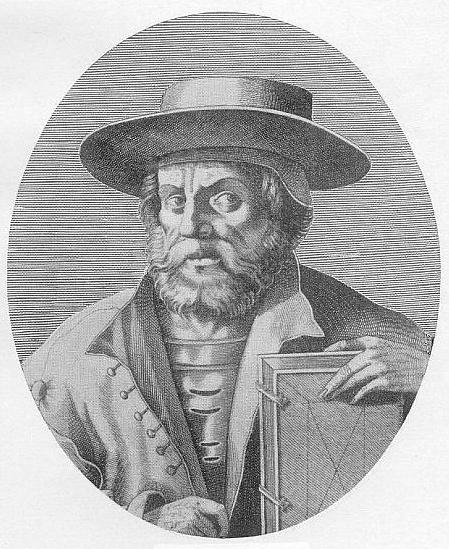
0 sources
Manuel Chrysoloras
Summary
Manuel Chrysoloras is a human[1]. Born in Constantinople[2], he… he was born on 1350[3]. He passed away in Constance[4]. He died on September 15, 1415[5]. He worked as a philosopher[6], translator[7], and writer[8]. He has Wikipedia articles in 19 language editions, a strong signal of global cultural recognition.[9]
Key Facts
- Manuel Chrysoloras was born in Constantinople[2].
- Manuel Chrysoloras passed away in Constance[4].
- Manuel Chrysoloras was born on 1350[3].
- Manuel Chrysoloras died on September 15, 1415[5].
- Manuel Chrysoloras died on 1415[10].
- Manuel Chrysoloras held citizenship in Byzantine Empire[11].
- Manuel Chrysoloras worked as a philosopher[6].
- Manuel Chrysoloras worked as a translator[7].
- Manuel Chrysoloras's professions included writer[8].
- A notable student of Manuel Chrysoloras was Coluccio Salutati[12].
- A notable student of Manuel Chrysoloras was Palla Strozzi[13].
- A notable student of Manuel Chrysoloras was Leonardo Bruni[14].
- A notable student of Manuel Chrysoloras was Ambrose Traversari[15].
- A notable student of Manuel Chrysoloras was Guarino da Verona[16].
- A notable student of Manuel Chrysoloras was Francesco Barbaro[17].
- Manuel Chrysoloras is recorded as male[18].
- Manuel Chrysoloras's instance of is recorded as human[19].
- Manuel Chrysoloras's Commons category is recorded as Manuel Chrysoloras[20].
- Manuel Chrysoloras's given name is recorded as Manuel[21].
- Manuel Chrysoloras studied under Demetrios Kydones[22].
- Manuel Chrysoloras's described by source is recorded as Brockhaus and Efron Encyclopedic Dictionary[23].
- Manuel Chrysoloras's described by source is recorded as The Nuttall Encyclopædia[24].
- Manuel Chrysoloras's described by source is recorded as Library of the World's Best Literature[25].
- Manuel Chrysoloras's described by source is recorded as Encyclopædia Britannica 11th edition[26].
- Manuel Chrysoloras's participant in is recorded as Council of Constance[27].
Body
Origins and Family
Born in Constantinople[2], Manuel Chrysoloras… he was born on 1350[3].
Education
Manuel Chrysoloras studied under Demetrios Kydones[22].
Career and Affiliations
Recorded occupations include philosopher[6], translator[7], and writer[8]. Notable students include Coluccio Salutati[12], a politician[28], 1331–1406[29], specialised in philosophy[30]; Palla Strozzi[13], a linguist[31], 1372–1462[32], awarded the Order of the Golden Spur[33]; Leonardo Bruni[14], a philosopher[34], 1369–1444[35], of Republic of Florence[36], specialised in humanism[37]; Ambrose Traversari[15], a theologian[38], 1386–1439[39]; Guarino da Verona[16], a poet[40], 1374–1460[41], specialised in humanism[42]; and Francesco Barbaro[17], a Renaissance humanist[43], 1390–1454[44], of Republic of Venice[45].
Death and Burial
Recorded date of death include September 15, 1415[5] and 1415[10]. Manuel Chrysoloras died in Constance[4].
Why It Matters
Manuel Chrysoloras has Wikipedia articles in 19 language editions, a strong signal of global cultural recognition.[9] He is known by 12 alternative names across languages and contexts.[46]
FAQs
Where was Manuel Chrysoloras born?
Manuel Chrysoloras's place of birth was Constantinople[2].
Where did Manuel Chrysoloras die?
Manuel Chrysoloras died in Constance[4].
What did Manuel Chrysoloras do for work?
Manuel Chrysoloras worked as philosopher[6], translator[7], and writer[8].