
Laurits Tuxen
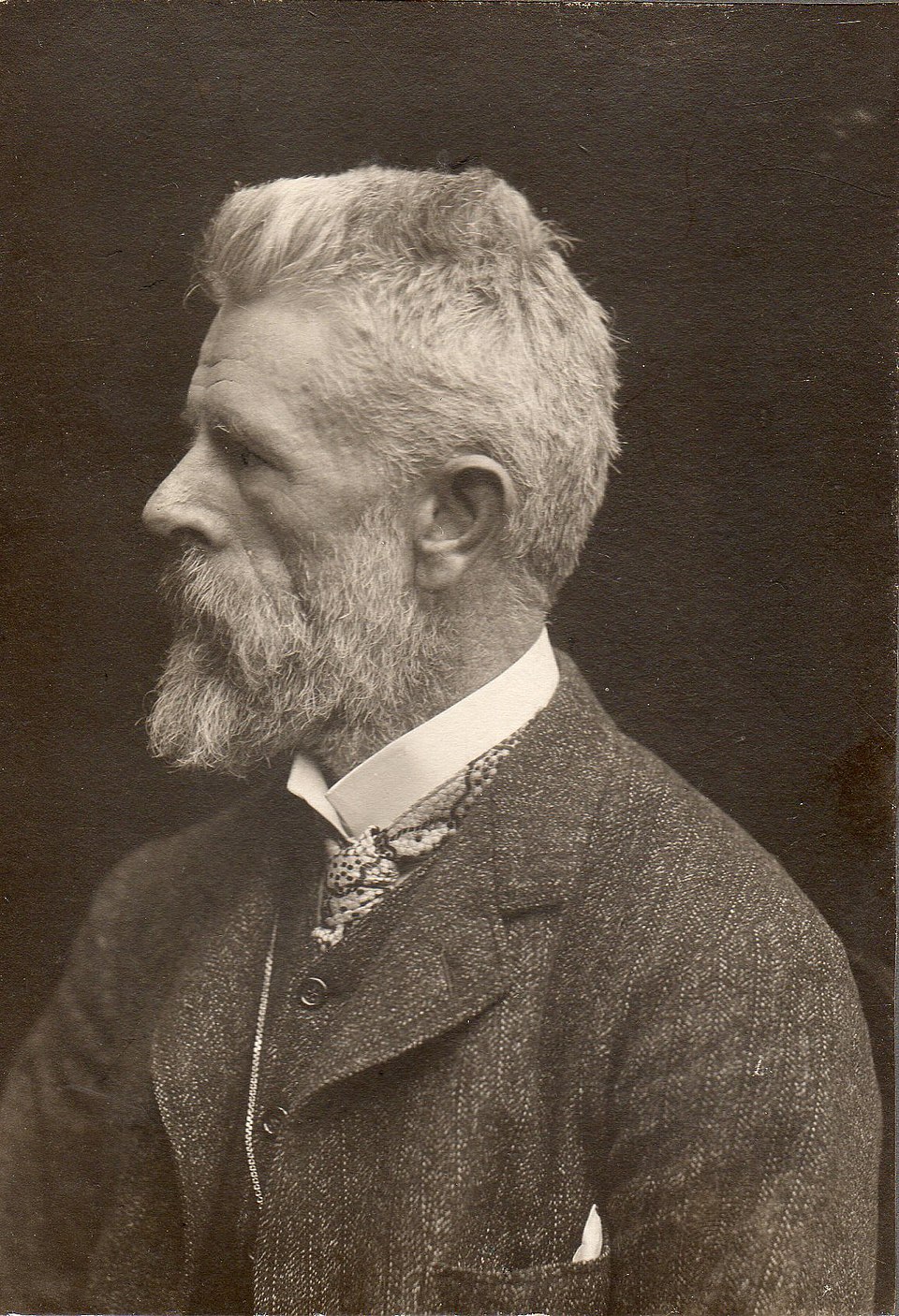
0 sources
Summary
Laurits Tuxen was born on December 9, 1853[1], in Copenhagen[2]. He died on November 21, 1927[3], in Copenhagen[4]. He worked as a sculptor[5], painter[6], and history painter[7]. He ranks in the top 0.73% of human entities by monthly Wikipedia readership (1,745 views/month, #7,262 of 1,000,298).[8]
Key Facts
- Place of burial: Vestre Cemetery[9]
- Father: Nicolai Elias Tuxen[10]
- Spouse: Charlotte Pauline Ursule de Baisieux[11], Frederikke Treschow[12]
- Child: Yvonne Tuxen[13], Nina Tuxen[14]
- Country of citizenship: Kingdom of Denmark[15]
- Position held: court painter[16]
- Employer: Royal Danish Academy of Fine Arts[17]
- Educated at: Royal Danish Academy of Fine Arts[18]
- Student: Jens Adolf Jerichau[19], J. F. Willumsen[20], N.V. Dorph[21], Niels Bjerre[22], Harald Hansen[23], Rasmus Christiansen[24], Gad Frederik Clement[25], Ida Schiøttz-Jensen[26], Johan Rohde[27], Malthe Engelsted[28], Axel Helsted[29], Søren Lund[30], Suzette Holten[31], Elise Konstantin-Hansen[32]
- Notable work: Leaving the Table[33], The Taking of Arkona in 1169, King Valdemar and Bishop Absalon[34]
- Award received: Eckersberg Medal[35], Decoration of the Cross of Honour of the Dannebrog[36], Knight of the Order of the Dannebrog[37], Professor[38]
- Member of: Skagen Painters[39]
- Sex or gender: male[40]
- Genre: portrait[41]
- Commons category: Laurits Tuxen[42]
- Family name: Tuxen[43]
- Given name: Lauritz[44]
- Work location: Copenhagen[45]
- Described by source: Brockhaus and Efron Encyclopedic Dictionary[46], Albert Edelfelt's letters[47], Paintings of the nineteenth century: contribution to the history of art[48]
- Languages spoken, written or signed: Danish[49]
- Topic has template: Template:Laurits Tuxen[50]
- Commons Creator page: Laurits Tuxen[51]
- Name in native language: Laurits Tuxen[52]
- Start of work period: January 1, 1875[53]
- End of work period: January 1, 1924[54]
Why It Matters
Laurits Tuxen has Wikipedia articles in 16 language editions, a strong signal of global cultural recognition.[55] He is known by 19 alternative names across languages and contexts.[56]
FAQs
Where was Laurits Tuxen born?
Laurits Tuxen was born in Copenhagen[2].
Where did Laurits Tuxen die?
Laurits Tuxen died in Copenhagen[4].
Who were Laurits Tuxen's parents?
Laurits Tuxen's father was Nicolai Elias Tuxen[10].
Who was Laurits Tuxen married to?
Laurits Tuxen's spouses include Charlotte Pauline Ursule de Baisieux[11] and Frederikke Treschow[12].
What did Laurits Tuxen do for work?
Laurits Tuxen worked as a sculptor[5], painter[6], and history painter[7].
Where did Laurits Tuxen go to school?
Laurits Tuxen was educated at Royal Danish Academy of Fine Arts[18].
What awards did Laurits Tuxen receive?
Honors received include Eckersberg Medal[35], Decoration of the Cross of Honour of the Dannebrog[36], Knight of the Order of the Dannebrog[37], and Professor[38].