
Kurigalzu I
0 sources
Kurigalzu I
Summary
Kurigalzu I is a human[1]. He was born on -1500-01-01T00:00:00Z[2]. He died on -1375-00-00T00:00:00Z[3]. He ranks in the top 0.73% of human entities by monthly Wikipedia readership (30 views/month, #7,283 of 1,000,298).[4]
Key Facts
- Kurigalzu I was born on -1500-01-01T00:00:00Z[2].
- Kurigalzu I died on -1375-00-00T00:00:00Z[3].
- Kurigalzu I's father was Kadashman-harbe I[5].
- A child of Kurigalzu I was Kadashman-Enlil I[6].
- A child of Kurigalzu I was Burna-Buriash II[7].
- A child of Kurigalzu I was sister or daughter of Kadashman-Enlil I.[8].
- Kurigalzu I held the position of King of Babylon[9].
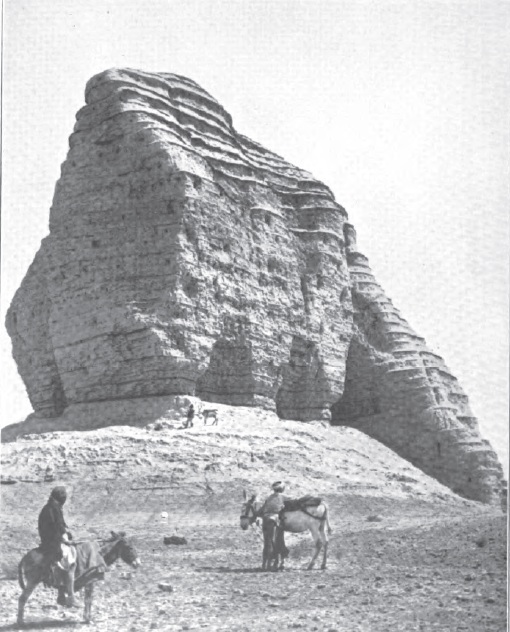
- Kurigalzu I's image is recorded as ‘Aqar Qūf.jpg[10].
- Kurigalzu I is recorded as male[11].
- Kurigalzu I's instance of is recorded as human[12].
- Kurigalzu I's family is recorded as Kassites[13].
- Kurigalzu I's VIAF cluster ID is recorded as 18170092026598150417[14].
- Kurigalzu I's GND ID is recorded as 1310233276[15].
- Kurigalzu I's Commons category is recorded as Kurigalzu[16].
- Kurigalzu I's Freebase ID is recorded as /m/0h1cnfz[17].
- Kurigalzu I's Rodovid ID is recorded as 845605[18].
- Kurigalzu I's Encyclopædia Britannica Online ID is recorded as biography/Kurigalzu-I[19].
- Kurigalzu I's PACTOLS thesaurus ID is recorded as pcrtSNwe1OwocG[20].
Body
Origins and Family
Kurigalzu I was born on -1500-01-01T00:00:00Z[2]. His father was Kadashman-harbe I[5].
Career and Affiliations
Kurigalzu I held the position of King of Babylon[9].
Personal Life
Children include Kadashman-Enlil I[6], -1400–-1400[21]; Burna-Buriash II[7], -1400–-1400[22], of Babylon[23]; and sister or daughter of Kadashman-Enlil I.[8].
Death and Burial
Kurigalzu I died on -1375-00-00T00:00:00Z[3].
Why It Matters
Kurigalzu I ranks in the top 0.73% of human entities by monthly Wikipedia readership (30 views/month, #7,283 of 1,000,298).[4] He has Wikipedia articles in 15 language editions, a strong signal of global cultural recognition.[24]
FAQs
Who were Kurigalzu I's parents?
Kurigalzu I's father was Kadashman-harbe I[5].