
Kliment Timiryazev
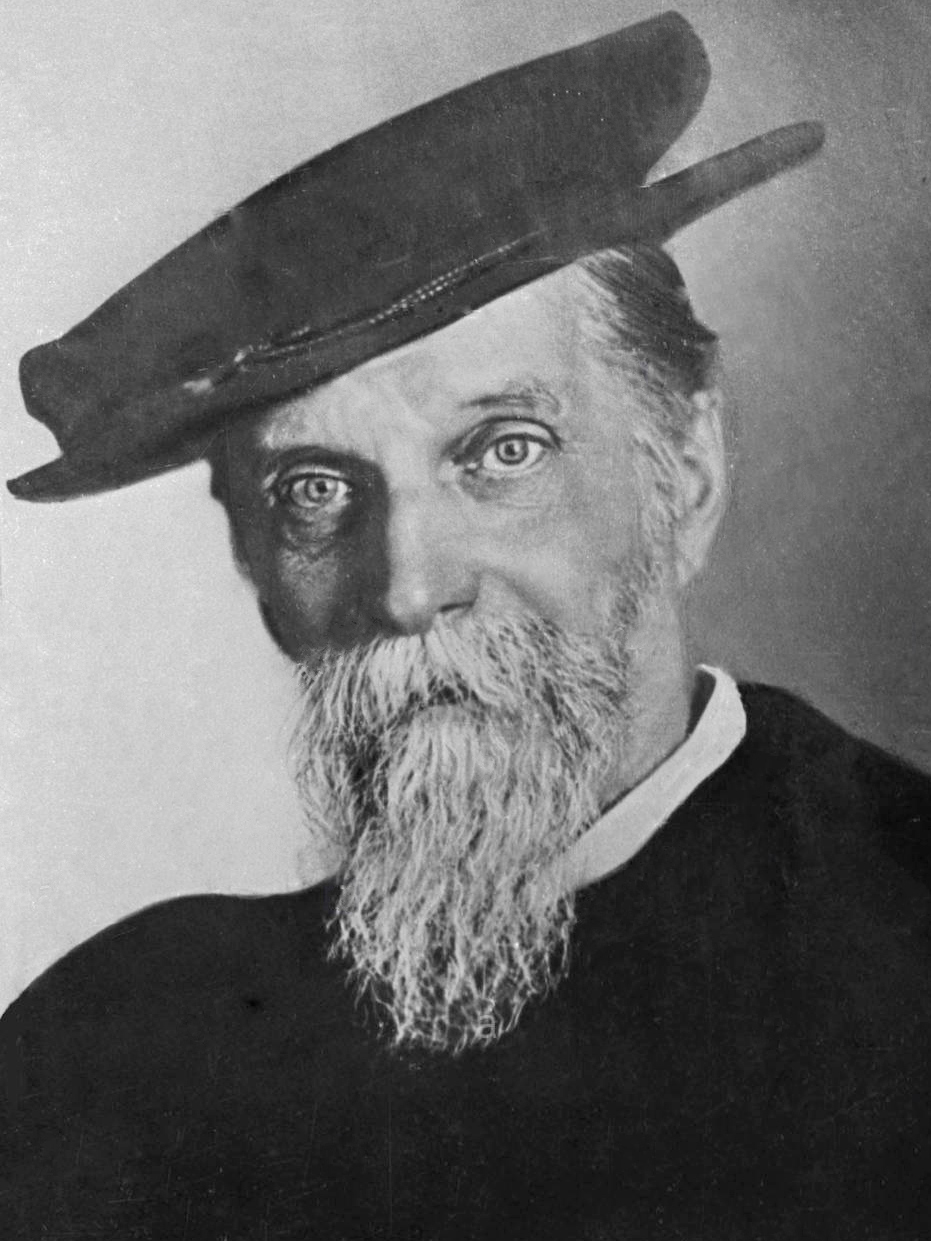
0 sources
Summary
Kliment Timiryazev was born on May 22, 1843[1], in Saint Petersburg[2]. He died on April 28, 1920[3], in Moscow[4]. He worked as an inventor[5], botanist[6], physiologist[7], and historian of science[8]. He ranks in the top 0.73% of human entities by monthly Wikipedia readership (1,295 views/month, #7,286 of 1,000,298).[9]
Key Facts
- Place of burial: Vagankovo Cemetery[10]
- Father: Тимирязев, Аркадий Семёнович[11]
- Mother: Adelaida Bode[12]
- Child: Arkadi Timiryazev[13]
- Country of citizenship: Russian Empire[14], Russian Socialist Federative Soviet Republic[15], Russian Soviet Federative Socialist Republic[16]
- Native language: Russian[17]
- Field of work: biology[18]
- Employer: Lomonosov Moscow State University[19], Russian State Agricultural University[20], Imperial Moscow University[21]
- Educated at: Faculty of Physics and Mathematics of the Saint Petersburg University[22], Imperial St. Petersburg University[23]
- Award received: Croonian Medal and Lecture[24], Foreign Member of the Royal Society[25]
- Member of: Royal Society[26], Russian Academy of Sciences[27], Free Economic Society[28], Russian Society of Physics and Chemistry[29], Imperatorskoe sankt-peterburgskoe obshchestvo estestvoispytateleĭ[30], Moscow Society of Naturalists[31], Society of Devotees of Natural Science, Anthropology, and Ethnography[32]
- Sex or gender: male[33]
- Family: House of Timiryazev[34]
- Doctoral student: Vladimir Palladin[35], Vassili Sapojnikov[36], Evgenij Filippovič Votčal[37]
- Commons category: Kliment Timiryazev[38]
- Cause of death: pneumonia[39]
- Academic degree: Doctor of Sciences[40]
- Family name: Timiriaziev[41]
- Given name: Kliment[42]
- Topic's main category: Category:Kliment Timiryazev[43]
- Student of: Jean-Baptiste Boussingault[44]
- Manner of death: natural causes[45]
- Described by source: Great Soviet Encyclopedia (1969–1978)[46], Brockhaus and Efron Encyclopedic Dictionary[47], Great Encyclopedia of Cyril and Methodius[48], Small Brockhaus and Efron Encyclopedic Dictionary[49], Armenian Soviet Encyclopedia, vol. 12[50], Faces of Moscow[51]
- Languages spoken, written or signed: Russian[52]
Body
Works and Contributions
Things named for Kliment Timiryazev include Russian State Agricultural University[53], an academy[54], in Russia[55], founded in 1865[56], headquartered in Moscow[57]; Bashkir State University[58], a university[59], in Russia[60], founded in 1909[61], headquartered in Ufa[62]; and Timiryazev[63], a lunar crater[64].
Why It Matters
Kliment Timiryazev has Wikipedia articles in 17 language editions, a strong signal of global cultural recognition.[65] He is known by 49 alternative names across languages and contexts.[66]
Entities named for him include Russian State Agricultural University[53], an academy[54], in Russia[55], founded in 1865[56], headquartered in Moscow[57]; Bashkir State University[58], a university[59], in Russia[60], founded in 1909[61], headquartered in Ufa[62]; and Timiryazev[63], a lunar crater[64].
His notable doctoral advisees include Vassili Sapojnikov[67], a botanist[68], 1861–1924[69], of Russian Empire[70], awarded the Order of Saint Anna, 2nd class[71], specialised in botany[72] and Vladimir Palladin[73], a biochemist[74], 1859–1922[75], of Russian Empire[76], specialised in botany[77].
FAQs
Where was Kliment Timiryazev born?
Kliment Timiryazev was born in Saint Petersburg[2].
Where did Kliment Timiryazev die?
Kliment Timiryazev died in Moscow[4].
Who were Kliment Timiryazev's parents?
Kliment Timiryazev's father was Тимирязев, Аркадий Семёнович[11]. Kliment Timiryazev's mother was Adelaida Bode[12].
What did Kliment Timiryazev do for work?
Kliment Timiryazev worked as an inventor[5], botanist[6], physiologist[7], and historian of science[8].
Where did Kliment Timiryazev go to school?
Kliment Timiryazev was educated at Faculty of Physics and Mathematics of the Saint Petersburg University[22] and Imperial St. Petersburg University[23].
What awards did Kliment Timiryazev receive?
Honors received include Croonian Medal and Lecture[24] and Foreign Member of the Royal Society[25].