
Klebsiella
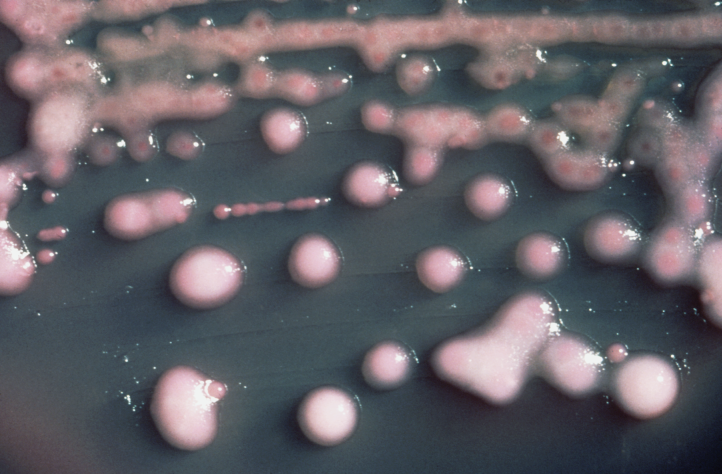
0 sources
Klebsiella
Summary
Klebsiella is a taxon[1]. Klebsiella ranks in the top 0.71% of taxon entities by monthly Wikipedia readership (964 views/month, #1,384 of 195,241).[2]
Key Facts
- Klebsiella's instance of is recorded as taxon[3].
- Klebsiella is classified at the rank of genus[4].
- Edwin Klebs is named after Klebsiella[5].
- Klebsiella belongs to the parent taxon Enterobacteriaceae[6].
- Under binomial nomenclature, Klebsiella is Klebsiella[7].
- Klebsiella's Commons category is recorded as Klebsiella[8].
- The taxonomic type of Klebsiella is Klebsiella pneumoniae[9].
- Klebsiella's topic's main category is recorded as Category:Klebsiella[10].
- Klebsiella's AlgaeBase URL is recorded as https://www.algaebase.org/search/genus/detail/?genus_id=49938[11].
- Klebsiella's taxon synonym is recorded as Raoultella[12].
- Klebsiella is commonly known as {'lang': 'zh', 'text': '克雷伯氏菌屬'}[13].
- Klebsiella's LPSN URL is recorded as https://lpsn.dsmz.de/genus/klebsiella[14].
- Klebsiella's Gram staining is recorded as gram-negative bacteria[15].
Body
Classification
Under binomial nomenclature, Klebsiella is Klebsiella[7]. Klebsiella is classified at the rank of genus[4]. Klebsiella belongs to the parent taxon Enterobacteriaceae[6]. The taxonomic type of Klebsiella is Klebsiella pneumoniae[9]. Klebsiella is commonly known as {'lang': 'zh', 'text': '克雷伯氏菌屬'}[13].
Discovery and Description
Edwin Klebs is named after Klebsiella[5].
Identifiers
Klebsiella's iNaturalist taxon ID is recorded as 356757[16]. Klebsiella's NCBI taxonomy ID is recorded as 570[17]. Klebsiella's Encyclopedia of Life ID is recorded as 83147[18]. Klebsiella's GBIF taxon ID is recorded as 3221867[19]. Klebsiella's ITIS TSN is recorded as 9749[20].
Why It Matters
Klebsiella ranks in the top 0.71% of taxon entities by monthly Wikipedia readership (964 views/month, #1,384 of 195,241).[2] Klebsiella has Wikipedia articles in 22 language editions, a strong signal of global cultural recognition.[21] Klebsiella is known by 11 alternative names across languages and contexts.[22]