
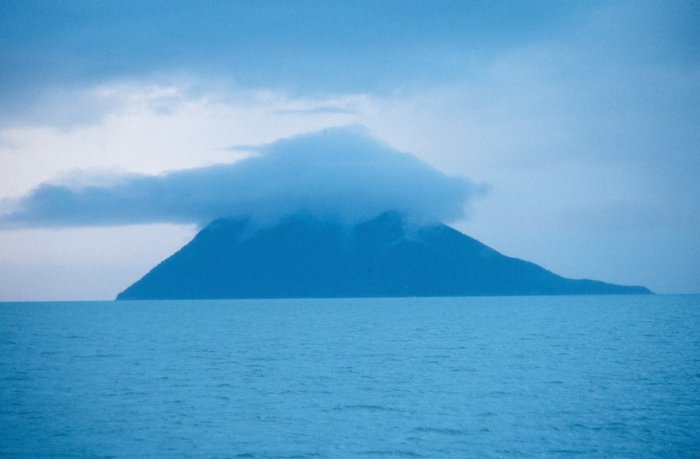
Kayak Island
0 sources
Kayak Island
Summary
Kayak Island is an island[1]. It ranks in the top 6% of island entities by monthly Wikipedia readership (198 views/month).[2]
Key Facts
- Kayak Island is located in Valdez–Cordova Census Area[3].
- Kayak Island is located in Chugach Census Area[4].
- Kayak Island is in the country of United States[5].
- Kayak Island is on the body of water Pacific Ocean[6].
- Kayak Island's instance of is recorded as island[7].
- Kayak Island's instance of is recorded as cultural landscape[8].
- Kayak Island took place at Chugach National Forest[9].
- Kayak Island's Commons category is recorded as Kayak Island[10].
- Kayak Island's coordinate location is recorded as {'latitude': 59.9341667, 'longitude': -144.3683333}[11].
- Kayak Island has a population of {'amount': '+0'}[12].
- Kayak Island's heritage designation is recorded as National Historic Landmark[13].
- Kayak Island's heritage designation is recorded as National Register of Historic Places listed place[14].
- Kayak Island's length is recorded as {'amount': '+32'}[15].
- Kayak Island covers an area of {'amount': '+73.7'}[16].
- Kayak Island's width is recorded as {'amount': '+3'}[17].
Body
Geography
Kayak Island is in the country of United States[5]. Located in include Valdez–Cordova Census Area[3], a census area of Alaska[18], in United States[19], founded in 1980[20] and Chugach Census Area[4], a census area of Alaska[21], in United States[22], founded in 2019[23]. It is on the body of water Pacific Ocean[6].
Physical Characteristics
Kayak Island covers an area of {'amount': '+73.7'}[16]. Its length is recorded as {'amount': '+32'}[15]. It has a population of {'amount': '+0'}[12].
Designation and Status
Recorded instance of include island[7] and cultural landscape[8]. Heritage statuses include National Historic Landmark[13] and National Register of Historic Places listed place[14].
Why It Matters
Kayak Island ranks in the top 6% of island entities by monthly Wikipedia readership (198 views/month).[2] It has Wikipedia articles in 9 language editions, a strong signal of global cultural recognition.[24] It is known by 8 alternative names across languages and contexts.[25]