
Jørgen Moe
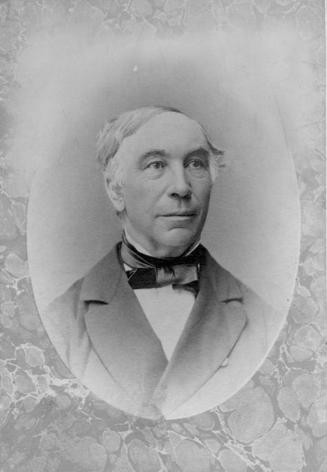
0 sources
Summary
Jørgen Moe is a human[1]. He was born in Hole[2]. He was born on April 22, 1813[3]. He died in Kristiansand[4]. He died on March 27, 1882[5]. He worked as a poet[6], writer[7], folklorist[8], children's writer[9], and theologian[10]. He has Wikipedia articles in 18 language editions, a strong signal of global cultural recognition.[11]
Key Facts
- Born in Hole[2].
- Jørgen Moe died in Kristiansand[4].
- Jørgen Moe was born on April 22, 1813[3].
- Jørgen Moe died on March 27, 1882[5].
- Burial took place at Vestre Aker cemetery[12].
- Jørgen Moe's father was Engebret Olsen Moe[13].
- A child of Jørgen Moe was Moltke Moe[14].
- A child of Jørgen Moe was Ole Falk Moe[15].
- A child of Jørgen Moe was Védastine Aubert[16].
- Jørgen Moe held citizenship in Norway[17].
- Jørgen Moe is identified as part of the Norwegians ethnic group[18].
- Jørgen Moe's professions included poet[6].
- Jørgen Moe's professions included writer[7].
- Jørgen Moe worked as a folklorist[8].
- Jørgen Moe's professions included children's writer[9].
- Jørgen Moe worked as a theologian[10].
- Jørgen Moe worked as a collector of fairy tales[19].
- Jørgen Moe held the position of Lutheran Bishop of Agder and Telemark[20].
- Jørgen Moe received the Knight Grand Officer of the Order of Saint Olav[21].
- Jørgen Moe was a member of Royal Norwegian Society of Sciences and Letters[22].
- Jørgen Moe's religion is recorded as Lutheranism[23].
- Jørgen Moe is recorded as male[24].
- Jørgen Moe's instance of is recorded as human[25].
- Jørgen Moe is part of Q72918319[26].
- Jørgen Moe's Commons category is recorded as Jørgen Moe[27].
Body
Origins and Family
Jørgen Moe was born in Hole[2]. He was born on April 22, 1813[3]. His father was Engebret Olsen Moe[13]. He is identified as part of the Norwegians ethnic group[18].
Career and Affiliations
Recorded occupations include poet[6], writer[7], folklorist[8], children's writer[9], theologian[10], and collector of fairy tales[19]. Jørgen Moe held the position of Lutheran Bishop of Agder and Telemark[20].
Recognition
Jørgen Moe received the Knight Grand Officer of the Order of Saint Olav[21].
Personal Life
Children include Moltke Moe[14], a professor[28], 1859–1913[29], of Norway[30]; Ole Falk Moe[15], a jurist[31], 1861–1913[32], of Norway[33]; and Védastine Aubert[16], an art historian[34], 1855–1933[35], of Norway[36]. Jørgen Moe's religion is recorded as Lutheranism[23].
Death and Burial
Jørgen Moe died on March 27, 1882[5]. He died in Kristiansand[4]. He is buried at Vestre Aker cemetery[12].
Why It Matters
Jørgen Moe has Wikipedia articles in 18 language editions, a strong signal of global cultural recognition.[11] He is known by 22 alternative names across languages and contexts.[37]
Works attributed to him include Bushy Bride[38], a fairy tale[39]; Three Billy Goats Gruff[40], a folk tale[41], written by Peter Christen Asbjørnsen[42]; Soria Moria Castle[43], a fairy tale[44], written by Peter Christen Asbjørnsen[45]; Mestermø[46], a Volksmärchen[47]; Norske Folkeeventyr[48], a literary work[49]; and Shortshanks[50], a fairy tale[51].
FAQs
Where was Jørgen Moe born?
Born in Hole[2].
Where did Jørgen Moe die?
Jørgen Moe died in Kristiansand[4].
Who were Jørgen Moe's parents?
Jørgen Moe's father was Engebret Olsen Moe[13].
What did Jørgen Moe do for work?
Jørgen Moe worked as poet[6], writer[7], folklorist[8], children's writer[9], and theologian[10].
What awards did Jørgen Moe receive?
Honors received include Knight Grand Officer of the Order of Saint Olav[21].