
John Bennet Lawes
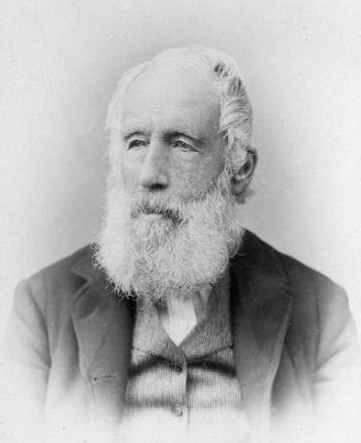
0 sources
Summary
John Bennet Lawes is a human[1]. He was born in Hertfordshire[2]. He was born on December 28, 1814[3]. He died in Hertfordshire[4]. He died on August 31, 1900[5]. He worked as a chemist[6], farmer[7], businessperson[8], and inventor[9]. He has Wikipedia articles in 11 language editions, a strong signal of global cultural recognition.[10]
Key Facts
- John Bennet Lawes was born in Hertfordshire[2].
- John Bennet Lawes died in Hertfordshire[4].
- John Bennet Lawes was born on December 28, 1814[3].
- John Bennet Lawes died on August 31, 1900[5].
- John Bennet Lawes is buried at St Nicholas Church, Harpenden[11].
- John Bennet Lawes's father was John Bennet Lawes[12].
- John Bennet Lawes's mother was Marianne Sherman[13].
- Among John Bennet Lawes's spouses was Caroline Fountaine[14].
- A child of John Bennet Lawes was Caroline Lawes[15].
- A child of John Bennet Lawes was Charles Bennett Lawes[16].
- John Bennet Lawes held citizenship in United Kingdom of Great Britain and Ireland[17].
- John Bennet Lawes's professions included chemist[6].
- John Bennet Lawes worked as a farmer[7].
- John Bennet Lawes worked as a businessperson[8].
- John Bennet Lawes's professions included inventor[9].
- John Bennet Lawes was educated at Brasenose College[18].
- John Bennet Lawes was educated at Eton College[19].
- John Bennet Lawes received the Fellow of the Royal Society[20].
- John Bennet Lawes received the Royal Medal[21].
- John Bennet Lawes received the Albert Medal[22].
- John Bennet Lawes was a member of Royal Society[23].
- John Bennet Lawes was a member of American Philosophical Society[24].
- John Bennet Lawes is recorded as male[25].
- John Bennet Lawes's instance of is recorded as human[26].
- John Bennet Lawes's Commons category is recorded as John Bennet Lawes[27].
Body
Origins and Family
Born in Hertfordshire[2], John Bennet Lawes… he was born on December 28, 1814[3]. His father was he[12]. His mother was Marianne Sherman[13].
Education
Educated at Brasenose College[18], a college of the University of Oxford[28], in United Kingdom[29], founded in 1509[30], headquartered in Oxford[31] and Eton College[19], a public school[32], in United Kingdom[33], founded in 1440[34].
Career and Affiliations
Recorded occupations include chemist[6], farmer[7], businessperson[8], and inventor[9].
Recognition
Awards received include Fellow of the Royal Society[20], a fellowship award[35], in United Kingdom[36]; Royal Medal[21], a science award[37], in United Kingdom[38], founded in 1826[39]; and Albert Medal[22], a medallion[40], in United Kingdom[41], founded in 1864[42].
Personal Life
Among John Bennet Lawes's spouses was Caroline Fountaine[14]. Children include Caroline Lawes[15] and Charles Bennett Lawes[16], a rower[43], 1843–1911[44], of United Kingdom of Great Britain and Ireland[45].
Death and Burial
John Bennet Lawes died on August 31, 1900[5]. He passed away in Hertfordshire[4]. He is buried at St Nicholas Church, Harpenden[11].
Why It Matters
John Bennet Lawes has Wikipedia articles in 11 language editions, a strong signal of global cultural recognition.[10] He is known by 6 alternative names across languages and contexts.[46]
FAQs
Where was John Bennet Lawes born?
Born in Hertfordshire[2].
Where did John Bennet Lawes die?
John Bennet Lawes died in Hertfordshire[4].
Who were John Bennet Lawes's parents?
John Bennet Lawes's father was John Bennet Lawes[12]. John Bennet Lawes's mother was Marianne Sherman[13].
Who was John Bennet Lawes married to?
John Bennet Lawes's spouses include Caroline Fountaine[14].
What did John Bennet Lawes do for work?
John Bennet Lawes worked as chemist[6], farmer[7], businessperson[8], and inventor[9].
Where did John Bennet Lawes go to school?
John Bennet Lawes was educated at Brasenose College[18] and Eton College[19].
What awards did John Bennet Lawes receive?
Honors received include Fellow of the Royal Society[20], Royal Medal[21], and Albert Medal[22].