
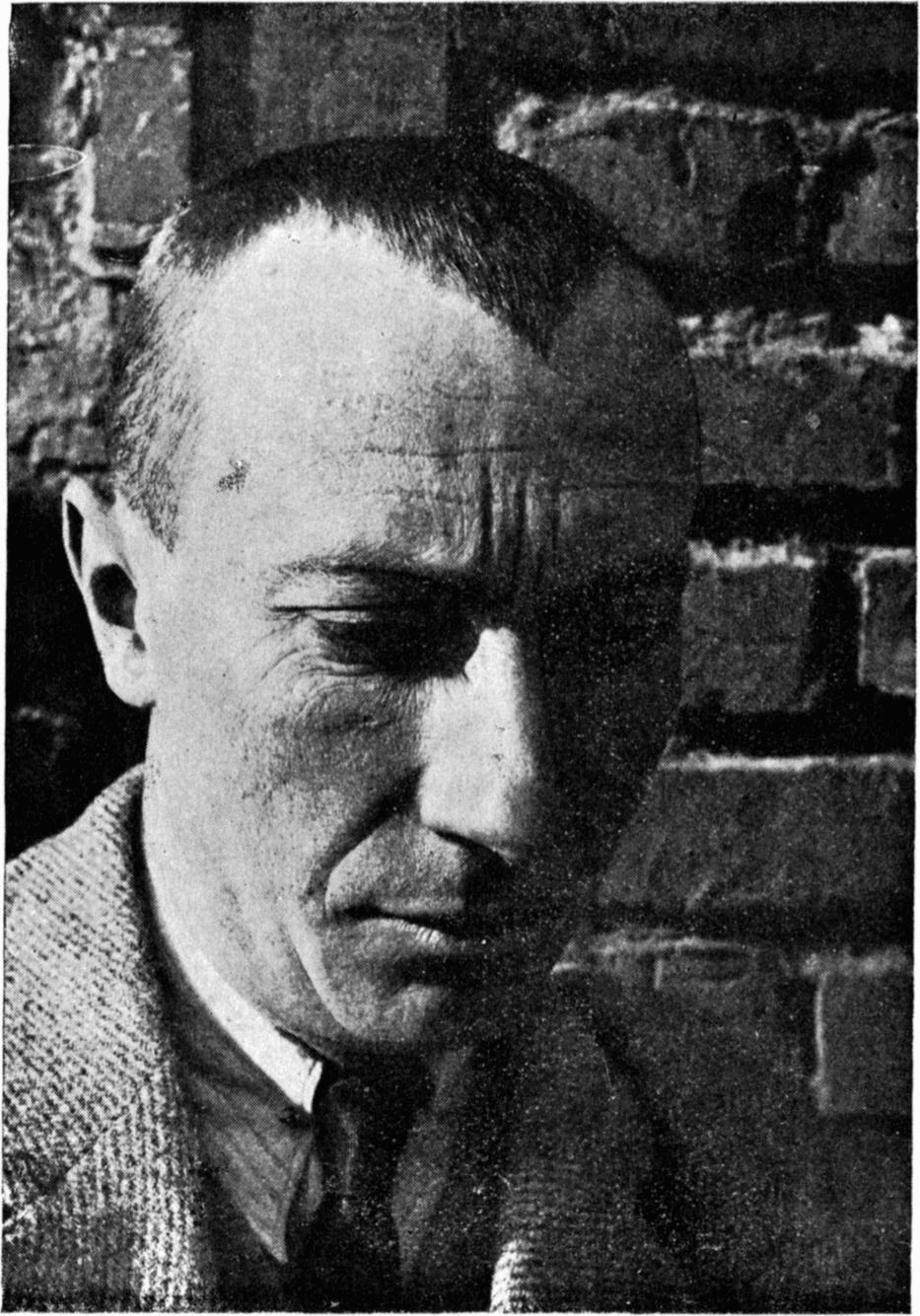
Jean Arp
0 sources
Jean Arp was born on September 16, 1886 in Strasbourg[1][2][3][4][5][6][7][8][9][10][11][12][13] and died on June 7, 1966 in Basel[11][1][14][2][15][3][4][5][6][7][16][12][9][10]. He held citizenship of France and the German Empire[17][8][18]. His education included attendance at the Weimar Saxon-Grand Ducal Art School and the Académie Julian[19].
Arp worked as a painter, sculptor, poet, writer, designer, and photographer[20][21][11][12][22]. He was associated with the Dada, De Stijl, and surrealism movements[21] and produced abstract art and still life works[21]. He was married to Sophie Taeuber-Arp from 1922 to 1943 and later to Marguerite Arp from 1959 to 1994[23][24][18]. He had two siblings: Käthe Bockelmann and François Arp[25].
Among his honors were the Knight Commander's Cross of the Order of Merit of the Federal Republic of Germany, the Knight of the Legion of Honour, and the Officer of Arts and Letters. He was a member of the German Academy for Language and Literature, American Abstract Artists, Academy of Arts, Berlin, and Cercle et Carré[26][27][28]. He died of myocardial infarction[18] and was buried at the cemetery of Locarno[29].
Jean Arp
Summary
Jean Arp is a human[1]. Born in Strasbourg[2], he… he was born on September 16, 1886[3]. He died in Basel[4]. He died on June 7, 1966[5]. He worked as a painter[6], sculptor[7], poet[8], writer[9], and designer[10]. He ranks in the top 0.71% of human entities by monthly Wikipedia readership (331 views/month, #7,073 of 1,000,298).[11]
Key Facts
- Jean Arp's place of birth was Strasbourg[2].
- Jean Arp passed away in Basel[4].
- Jean Arp was born on September 16, 1886[3].
- Jean Arp was born on September 16, 1885[12].
- Jean Arp was born on September 16, 1888[13].
- Jean Arp died on June 7, 1966[5].
- Burial took place at cemetery of Locarno[14].
- Among Jean Arp's spouses was Sophie Taeuber-Arp[15].
- Among Jean Arp's spouses was Marguerite Arp[16].
- Jean Arp held citizenship in France[17].
- Jean Arp held citizenship in Germany[18].
- Jean Arp held citizenship in German Empire[19].
- French was Jean Arp's native language[20].
- German was Jean Arp's native language[21].
- Alsatian was Jean Arp's native language[22].
- Jean Arp worked as a painter[6].
- Jean Arp's professions included sculptor[7].
- Jean Arp worked as a poet[8].
- Jean Arp worked as a writer[9].
- Jean Arp worked as a designer[10].
- Jean Arp's professions included photographer[23].
- Jean Arp was educated at Weimar Saxon-Grand Ducal Art School[24].
- Jean Arp's education included a stint at Académie Julian[25].
- Jean Arp received the Knight Commander's Cross of the Order of Merit of the Federal Republic of Germany[26].
- Jean Arp received the Knight of the Legion of Honour[27].
Body
Origins and Family
Jean Arp was born in Strasbourg[2]. Recorded date of birth include September 16, 1886[3], September 16, 1885[12], and September 16, 1888[13]. Native languages include French[20], German[21], and Alsatian[22].
Education
Educated at Weimar Saxon-Grand Ducal Art School[24], an art academy[28], in Germany[29], founded in 1860[30] and Académie Julian[25], an art academy[31], in France[32], founded in 1867[33].
Career and Affiliations
Recorded occupations include painter[6], sculptor[7], poet[8], writer[9], designer[10], and photographer[23].
Recognition
Awards received include Knight Commander's Cross of the Order of Merit of the Federal Republic of Germany[26], a grade of an order[34], in Germany[35]; Knight of the Legion of Honour[27], a Q1499804[36], in France[37]; Officer of Arts and Letters[38], a grade of an order[39], in France[40]; and Q115130093[41].
Personal Life
Spouses include Sophie Taeuber-Arp[15], a painter[42], 1889–1943[43], of Switzerland[44], specialised in painting[45] and Marguerite Arp[16], an art collector[46], 1902–1994[47].
Death and Burial
Jean Arp died on June 7, 1966[5]. He died in Basel[4]. The cause of death was myocardial infarction[48]. He is buried at cemetery of Locarno[14].
Works and Contributions
Things named for Jean Arp include Arp Museum Bahnhof Rolandseck[49], an art museum[50], in Germany[51], founded in 2007[52].
Why It Matters
Jean Arp ranks in the top 0.71% of human entities by monthly Wikipedia readership (331 views/month, #7,073 of 1,000,298).[11] He has Wikipedia articles in 26 language editions, a strong signal of global cultural recognition.[53] He is known by 57 alternative names across languages and contexts.[54]
He has been cited as an influence by Drowning Girl[55], a painting[56], in United States[57], founded in 1963[58]; Maria Martins[59], a sculptor[60], 1894–1973[61], of Brazil[62], specialised in art of sculpture[63]; and Movimento Arte Concreta[64], an art movement[65], in Italy[66], founded in 1948[67].
Entities named for him include Arp Museum Bahnhof Rolandseck[49], an art museum[50], in Germany[51], founded in 2007[52].
FAQs
Where was Jean Arp born?
Jean Arp was born in Strasbourg[2].
Where did Jean Arp die?
Jean Arp passed away in Basel[4].
Who was Jean Arp married to?
Jean Arp's spouses include Sophie Taeuber-Arp[15] and Marguerite Arp[16].
What did Jean Arp do for work?
Jean Arp worked as painter[6], sculptor[7], poet[8], writer[9], and designer[10].
Where did Jean Arp go to school?
Jean Arp was educated at Weimar Saxon-Grand Ducal Art School[24] and Académie Julian[25].
What awards did Jean Arp receive?
Honors received include Knight Commander's Cross of the Order of Merit of the Federal Republic of Germany[26], Knight of the Legion of Honour[27], Officer of Arts and Letters[38], and Q115130093[41].
Who did Jean Arp influence?
Jean Arp has been cited as an influence by Drowning Girl[55], Maria Martins[59], and Movimento Arte Concreta[64].