
Jacques Copeau
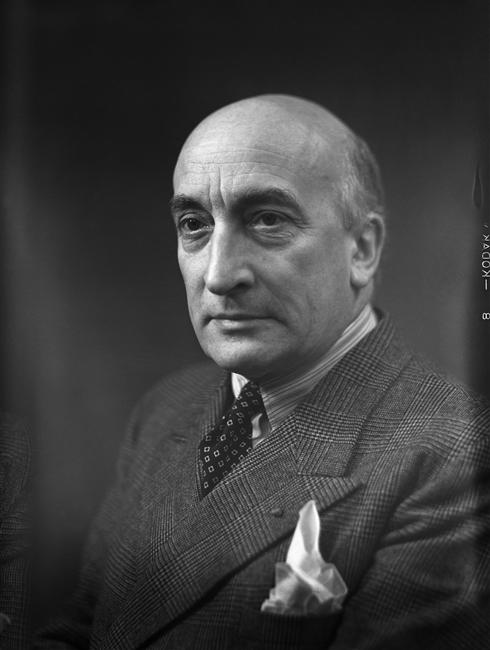
0 sources
Jacques Copeau
Summary
Jacques Copeau is a human[1]. Born in Paris[2], he… he was born on February 4, 1879[3]. He passed away in Beaune[4]. He died on October 20, 1949[5]. He worked as a theatrical director[6], playwright[7], film director[8], writer[9], and stage actor[10]. He has Wikipedia articles in 19 language editions, a strong signal of global cultural recognition.[11]
Key Facts
- Jacques Copeau's place of birth was Paris[2].
- Jacques Copeau passed away in Beaune[4].
- Jacques Copeau was born on February 4, 1879[3].
- Jacques Copeau died on October 20, 1949[5].
- Burial took place at Q110335601[12].
- Jacques Copeau held citizenship in France[13].
- Jacques Copeau's professions included theatrical director[6].
- Jacques Copeau worked as a playwright[7].
- Jacques Copeau worked as a film director[8].
- Jacques Copeau's professions included writer[9].
- Jacques Copeau worked as a stage actor[10].
- Jacques Copeau's professions included translator[14].
- Jacques Copeau held the position of Administrator of the Comédie-Française[15].
- Jacques Copeau's education included a stint at Lycée Condorcet[16].
- A notable student of Jacques Copeau was Léon Chancerel[17].
- A notable student of Jacques Copeau was Shishi Bunroku[18].
- A notable student of Jacques Copeau was Jean Dasté[19].
- A notable student of Jacques Copeau was Étienne Decroux[20].
- Jacques Copeau received the Officer of the Legion of Honour[21].
- Jacques Copeau received the Prix Paul Hervieu[22].
- Jacques Copeau was influenced by André Antoine[23].
- Jacques Copeau is recorded as male[24].
- Jacques Copeau's instance of is recorded as human[25].
- Jacques Copeau's Commons category is recorded as Jacques Copeau[26].
- Jacques Copeau's archives at is recorded as Departmental archives of Yvelines[27].
Body
Origins and Family
Born in Paris[2], Jacques Copeau… he was born on February 4, 1879[3].
Education
Jacques Copeau was educated at Lycée Condorcet[16]. He studied under André Antoine[28].
Career and Affiliations
Recorded occupations include theatrical director[6], playwright[7], film director[8], writer[9], stage actor[10], and translator[14]. Jacques Copeau held the position of Administrator of the Comédie-Française[15]. Notable students include Léon Chancerel[17], an actor[29], 1886–1965[30], of France[31], awarded the Order of the Francisque[32], specialised in theatre art[33]; Shishi Bunroku[18], a writer[34], 1893–1969[35], of Japan[36], awarded the Order of Culture[37]; Jean Dasté[19], a film actor[38], 1904–1994[39], of France[40]; and Étienne Decroux[20], a mime artist[41], 1898–1991[42], of France[43].
Recognition
Awards received include Officer of the Legion of Honour[21], a grade of an order[44], in France[45] and Prix Paul Hervieu[22], a literary award[46], in France[47].
Death and Burial
Jacques Copeau died on October 20, 1949[5]. He died in Beaune[4]. Burial took place at Q110335601[12].
Why It Matters
Jacques Copeau has Wikipedia articles in 19 language editions, a strong signal of global cultural recognition.[11] He is known by 6 alternative names across languages and contexts.[48]
He has been cited as an influence by Orazio Costa[49], a theatrical director[50], 1911–1999[51], of Italy[52], awarded the Knight Grand Cross of the Order of Merit of the Italian Republic[53], specialised in dramaturgy[54].
FAQs
Where was Jacques Copeau born?
Jacques Copeau's place of birth was Paris[2].
Where did Jacques Copeau die?
Jacques Copeau died in Beaune[4].
What did Jacques Copeau do for work?
Jacques Copeau worked as theatrical director[6], playwright[7], film director[8], writer[9], and stage actor[10].
Where did Jacques Copeau go to school?
Jacques Copeau was educated at Lycée Condorcet[16].
What awards did Jacques Copeau receive?
Honors received include Officer of the Legion of Honour[21] and Prix Paul Hervieu[22].
Who did Jacques Copeau influence?
Jacques Copeau has been cited as an influence by Orazio Costa[49].