
International Day of the Deaf
September observance
Press Enter · cited answer in seconds
0 sources
International Day of the Deaf
Summary
International Day of the Deaf ranks in the top 2% of general entities by monthly Wikipedia readership (6 views/month).[1]
Key Facts
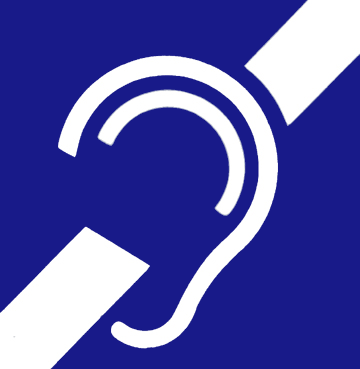
- International Day of the Deaf's image is recorded as Deafness and hard of hearing symbol.png[2].
- International Day of the Deaf's subclass of is recorded as world day[3].
- International Day of the Deaf's commemorates is recorded as deafness[4].
- +1958-00-00T00:00:00Z marks the founding of International Day of the Deaf[5].
- International Day of the Deaf's start time is recorded as +1958-00-00T00:00:00Z[6].
- International Day of the Deaf's organizer is recorded as World Federation of the Deaf[7].
- International Day of the Deaf's official website is recorded as https://wfdeaf.org/get-involved/wfd-events/international-week-deaf/[8].
- International Day of the Deaf's official website is recorded as http://www.journeemondialesourds.com/[9].
- International Day of the Deaf's main subject is recorded as hearing aid[10].
- International Day of the Deaf's main subject is recorded as sensorineural hearing loss[11].
- International Day of the Deaf's main subject is recorded as unilateral hearing loss[12].
- International Day of the Deaf's main subject is recorded as tone deafness[13].
- International Day of the Deaf's main subject is recorded as deafness[14].
- International Day of the Deaf's facet of is recorded as deafness[15].
- International Day of the Deaf's published in is recorded as person with disabilities[16].
- International Day of the Deaf's title is recorded as {'lang': 'fr', 'text': 'Journée Mondiale des Sourds (JMS)'}[17].
- International Day of the Deaf's Google Knowledge Graph ID is recorded as /g/120k5w83[18].
Why It Matters
International Day of the Deaf ranks in the top 2% of general entities by monthly Wikipedia readership (6 views/month).[1] It has Wikipedia articles in 11 language editions, a strong signal of global cultural recognition.[19] It is known by 7 alternative names across languages and contexts.[20]