
Hugh of Saint Victor
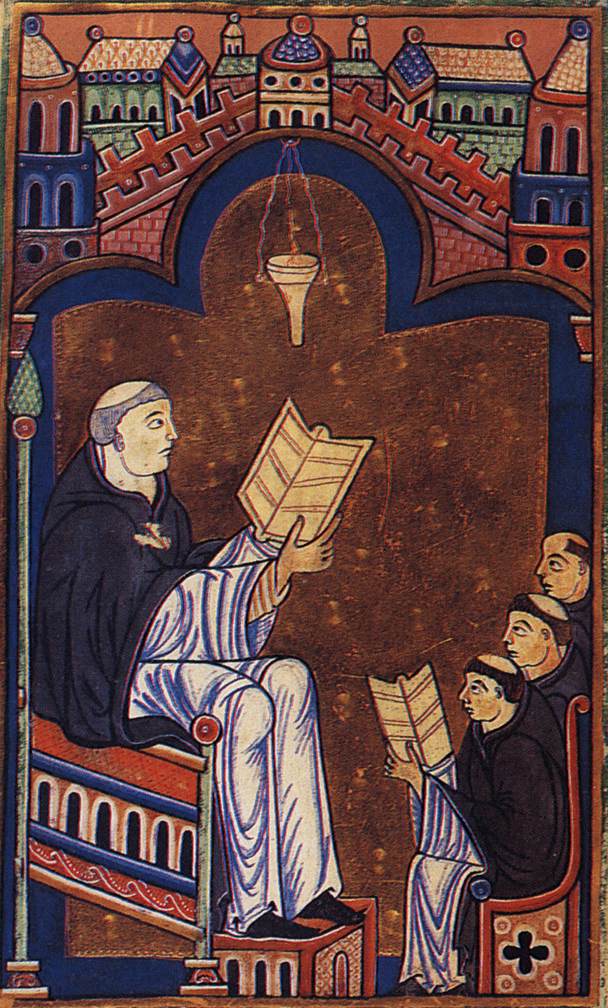
0 sources
Hugh of Saint Victor
Summary
Hugh of Saint Victor is a human[1]. He was born in Duchy of Saxony[2]. He was born on 1096[3]. He died in Paris[4]. He died on February 11, 1141[5]. He worked as a theologian[6], philosopher[7], and mystic[8]. He has Wikipedia articles in 19 language editions, a strong signal of global cultural recognition.[9]
Key Facts
- Hugh of Saint Victor was born in Duchy of Saxony[2].
- Hugh of Saint Victor died in Paris[4].
- Hugh of Saint Victor was born on 1096[3].
- Hugh of Saint Victor died on February 11, 1141[5].
- Hugh of Saint Victor died on 1141[10].
- Hugh of Saint Victor held citizenship in Kingdom of France[11].
- Hugh of Saint Victor held citizenship in Duchy of Saxony[12].
- Hugh of Saint Victor's professions included theologian[6].
- Hugh of Saint Victor's professions included philosopher[7].
- Hugh of Saint Victor's professions included mystic[8].
- Hugh of Saint Victor's field of work was philosophy[13].
- Hugh of Saint Victor held the position of cardinal[14].
- A notable student of Hugh of Saint Victor was Clarembald of Arras[15].
- A notable student of Hugh of Saint Victor was Robert of Melun[16].
- A notable student of Hugh of Saint Victor was Otto of Freising[17].
- A notable work attributed to Hugh of Saint Victor is De institutione novitiorum[18].
- A notable work attributed to Hugh of Saint Victor is De tribus maximis circumstantiis gestorum[19].
- A notable work attributed to Hugh of Saint Victor is Chronicon[20].
- A notable work attributed to Hugh of Saint Victor is De sacramentis Christianae fidei[21].
- A notable work attributed to Hugh of Saint Victor is Super canticum Mariae[22].
- A notable work attributed to Hugh of Saint Victor is De modo dicendi et meditendi[23].
- Hugh of Saint Victor's religion is recorded as Catholicism[24].
- Hugh of Saint Victor is recorded as male[25].
- Hugh of Saint Victor's instance of is recorded as human[26].
- Hugh of Saint Victor's Commons category is recorded as Hugh of Saint Victor[27].
Body
Origins and Family
Hugh of Saint Victor was born in Duchy of Saxony[2]. He was born on 1096[3].
Education
Hugh of Saint Victor studied under William of Champeaux[28].
Career and Affiliations
Recorded occupations include theologian[6], philosopher[7], and mystic[8]. Hugh of Saint Victor's field of work was philosophy[13]. He held the position of cardinal[14]. Notable students include Clarembald of Arras[15], a philosopher[29], 1110–1160[30], of France[31]; Robert of Melun[16], a Catholic priest[32], 1100–1167[33]; and Otto of Freising[17], a historian[34], 1109–1158[35], of Germany[36], specialised in Christian Church[37].
Works and Contributions
Notable works include De institutione novitiorum[18]; De tribus maximis circumstantiis gestorum[19]; Chronicon[20]; De sacramentis Christianae fidei[21], a literary work[38]; Super canticum Mariae[22]; and De modo dicendi et meditendi[23].
Personal Life
Hugh of Saint Victor's religion is recorded as Catholicism[24].
Death and Burial
Recorded date of death include February 11, 1141[5] and 1141[10]. Hugh of Saint Victor died in Paris[4].
Why It Matters
Hugh of Saint Victor has Wikipedia articles in 19 language editions, a strong signal of global cultural recognition.[9] He is known by 27 alternative names across languages and contexts.[39]
FAQs
Where was Hugh of Saint Victor born?
Hugh of Saint Victor was born in Duchy of Saxony[2].
Where did Hugh of Saint Victor die?
Hugh of Saint Victor died in Paris[4].
What did Hugh of Saint Victor do for work?
Hugh of Saint Victor worked as theologian[6], philosopher[7], and mystic[8].