
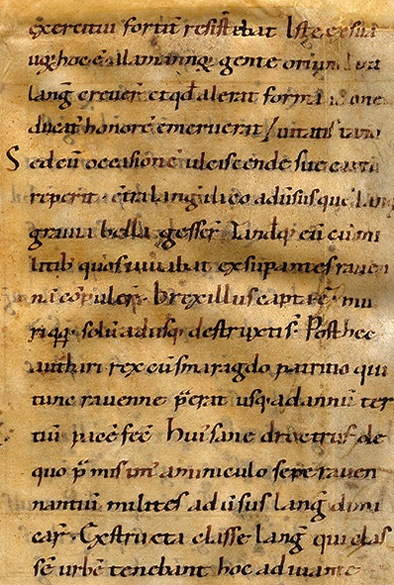
History of the Lombards
work by Paulus Diaconus
Press Enter · cited answer in seconds
0 sources
History of the Lombards
Summary
History of the Lombards is a literary work[1]. It has Wikipedia articles in 12 language editions, a strong signal of global cultural recognition.[2]
Key Facts
- History of the Lombards authored Paul the Deacon[3].
- History of the Lombards's instance of is recorded as literary work[4].
- History of the Lombards's instance of is recorded as reference work[5].
- History of the Lombards's genre is chronicle[6].
- History of the Lombards's based on is recorded as History[7].
- History of the Lombards's based on is recorded as Consularia Italica[8].
- History of the Lombards's Commons category is recorded as History of the Lombards[9].
- History of the Lombards's language of work or name is recorded as medieval Latin[10].
- 791 marks the founding of History of the Lombards[11].
- History of the Lombards's has edition or translation is recorded as Storia dei fatti de' Langobardi[12].
- History of the Lombards's has edition or translation is recorded as Historia Langobardorum[13].
- History of the Lombards's main subject is Lombards[14].
- History of the Lombards's described by source is recorded as Encyclopædia Britannica 11th edition[15].
- History of the Lombards's title is recorded as {'lang': 'la', 'text': 'Historia Langobardorum'}[16].
- History of the Lombards's form of creative work is recorded as prose[17].
- History of the Lombards's state of transmission is recorded as full[18].
Body
Authorship and Creation
History of the Lombards authored Paul the Deacon[3].
Publication
History of the Lombards's language of work or name is recorded as medieval Latin[10]. Its genre is chronicle[6].
Subject and Themes
History of the Lombards's main subject is Lombards[14].
Why It Matters
History of the Lombards has Wikipedia articles in 12 language editions, a strong signal of global cultural recognition.[2] It is known by 12 alternative names across languages and contexts.[19]