
Henry Fuseli
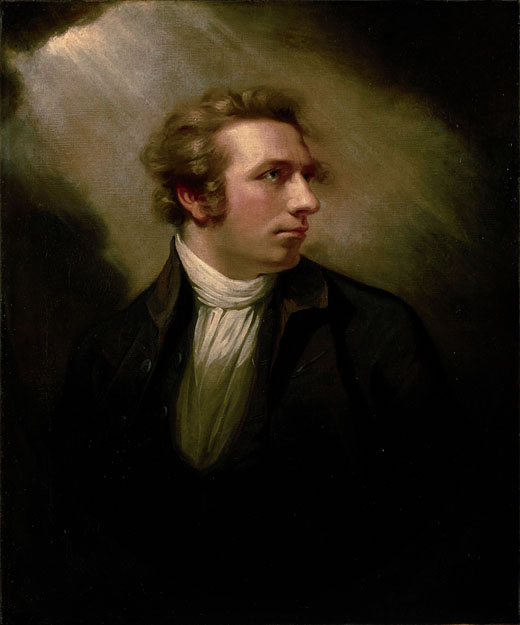
0 sources
Henry Fuseli
Summary
Henry Fuseli is a human[1]. His place of birth was Zurich[2]. He was born on February 7, 1741[3]. He died in Putney[4]. He died on April 16, 1825[5]. He worked as a painter[6], poet[7], draftsperson[8], illustrator[9], and graphic artist[10]. He ranks in the top 0.7% of human entities by monthly Wikipedia readership (1,631 views/month, #6,984 of 1,000,298).[11]
Key Facts
- Born in Zurich[2], Henry Fuseli…
- Henry Fuseli died in Putney[4].
- Henry Fuseli was born on February 7, 1741[3].
- Henry Fuseli was born on February 6, 1741[12].
- Henry Fuseli was born on January 1, 1741[13].
- Henry Fuseli died on April 16, 1825[5].
- Henry Fuseli died on January 1, 1825[14].
- Burial took place at St Paul's Cathedral[15].
- Henry Fuseli's father was Johann Caspar Füssli[16].
- Henry Fuseli held citizenship in Switzerland[17].
- Henry Fuseli held citizenship in United Kingdom[18].
- Henry Fuseli is identified as part of the Swiss ethnic group[19].
- Henry Fuseli's professions included painter[6].
- Henry Fuseli worked as a poet[7].
- Henry Fuseli's professions included draftsperson[8].
- Henry Fuseli's professions included illustrator[9].
- Henry Fuseli's professions included graphic artist[10].
- Henry Fuseli worked as an architectural draftsperson[20].
- A notable work attributed to Henry Fuseli is Titania and Bottom[21].
- A notable work attributed to Henry Fuseli is Percival Delivering Belisane from the Enchantment of Urma[22].
- A notable work attributed to Henry Fuseli is The Nightmare[23].
- Henry Fuseli was a member of Royal Academy of Arts[24].
- Henry Fuseli's religion is recorded as Protestantism[25].
- Henry Fuseli's religion is recorded as reformed[26].
- Henry Fuseli is recorded as male[27].
Body
Origins and Family
Born in Zurich[2], Henry Fuseli… Recorded date of birth include February 7, 1741[3], February 6, 1741[12], and January 1, 1741[13]. His father was Johann Caspar Füssli[16]. He is identified as part of the Swiss ethnic group[19].
Career and Affiliations
Recorded occupations include painter[6], poet[7], draftsperson[8], illustrator[9], graphic artist[10], and architectural draftsperson[20].
Works and Contributions
Notable works include Titania and Bottom[21], a painting[28], founded in 1790[29]; Percival Delivering Belisane from the Enchantment of Urma[22], a painting[30], founded in 1783[31]; and The Nightmare[23], a painting[32], founded in 1781[33].
Personal Life
Religious affiliations include Protestantism[25], a Christian denominational family[34], founded in 1517[35] and reformed[26], in Switzerland[36].
Death and Burial
Recorded date of death include April 16, 1825[5] and January 1, 1825[14]. Henry Fuseli passed away in Putney[4]. Burial took place at St Paul's Cathedral[15].
Why It Matters
Henry Fuseli ranks in the top 0.7% of human entities by monthly Wikipedia readership (1,631 views/month, #6,984 of 1,000,298).[11] He has Wikipedia articles in 25 language editions, a strong signal of global cultural recognition.[37] He is known by 152 alternative names across languages and contexts.[38]
He has been cited as an influence by William Blake[39], a painter[40], 1757–1827[41], of United Kingdom of Great Britain and Ireland[42], specialised in poetry[43].
FAQs
Where was Henry Fuseli born?
Henry Fuseli's place of birth was Zurich[2].
Where did Henry Fuseli die?
Henry Fuseli died in Putney[4].
Who were Henry Fuseli's parents?
Henry Fuseli's father was Johann Caspar Füssli[16].
What did Henry Fuseli do for work?
Henry Fuseli worked as painter[6], poet[7], draftsperson[8], illustrator[9], and graphic artist[10].
Who did Henry Fuseli influence?
Henry Fuseli has been cited as an influence by William Blake[39].