
Haematomma
genus of fungi
Press Enter · cited answer in seconds
0 sources
Haematomma
Summary
Haematomma is a taxon[1]. Haematomma ranks in the top 0.83% of taxon entities by monthly Wikipedia readership (2 views/month, #1,629 of 195,241).[2]
Key Facts
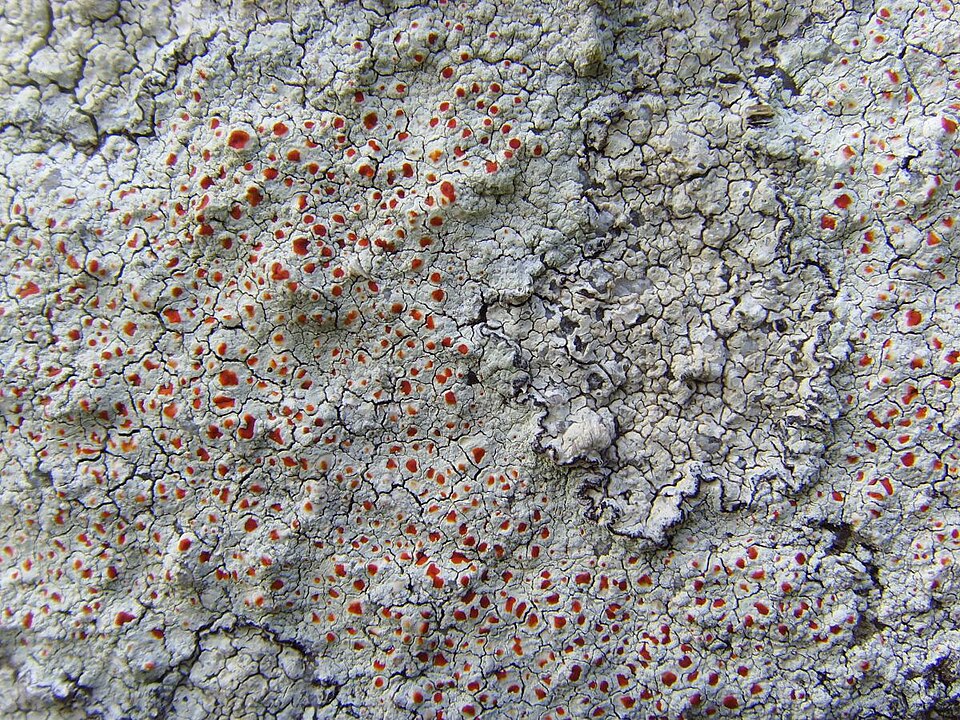
- Haematomma's image is recorded as Haematomma ochroleucum Golvinog.jpg[3].
- Haematomma's instance of is recorded as taxon[4].
- Haematomma's taxon rank is recorded as genus[5].
- Haematomma's parent taxon is recorded as Haematommataceae[6].
- Haematomma's taxon name is recorded as Haematomma[7].
- Haematomma's Commons category is recorded as Haematomma[8].
- Haematomma's taxonomic type is recorded as Haematomma vulgare[9].
- Haematomma's Freebase ID is recorded as /m/055y3j0[10].
- Haematomma's NCBI taxonomy ID is recorded as 312189[11].
- Haematomma's ITIS TSN is recorded as 190267[12].
- Haematomma's Encyclopedia of Life ID is recorded as 16764[13].
- Haematomma's GBIF taxon ID is recorded as 2607742[14].
- Haematomma's topic's main category is recorded as Category:Haematomma[15].
- Haematomma's MycoBank taxon name ID is recorded as 2196[16].
- Haematomma's Index Fungorum taxon ID is recorded as 2196[17].
- Haematomma's USDA PLANTS ID is recorded as HAEMA3[18].
- Haematomma's taxon common name is recorded as {'lang': 'en', 'text': 'bloodstain lichen'}[19].
- Haematomma's taxon common name is recorded as {'lang': 'en', 'text': 'Bloodspot lichens'}[20].
- Haematomma's Dyntaxa ID is recorded as 1007933[21].
- Haematomma's New Zealand Organisms Register ID is recorded as 4a731650-b1a3-4ba5-b9df-d6548795ce96[22].
- Haematomma's UMLS CUI is recorded as C1929165[23].
- Haematomma's EPPO Code is recorded as 1HMTMG[24].
- Haematomma's FloraBase ID is recorded as 27469[25].
- Haematomma's iNaturalist taxon ID is recorded as 175758[26].
- Haematomma's NBN System Key is recorded as NHMSYS0001483480[27].
Why It Matters
Haematomma ranks in the top 0.83% of taxon entities by monthly Wikipedia readership (2 views/month, #1,629 of 195,241).[2] Haematomma has Wikipedia articles in 7 language editions, a strong signal of global cultural recognition.[28]