
George Smith
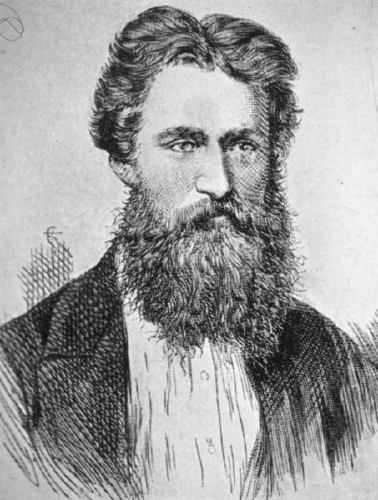
0 sources
George Smith
Summary
George Smith is a human[1]. His place of birth was Chelsea[2]. He was born on March 26, 1840[3]. He passed away in Aleppo[4]. He died on August 19, 1876[5]. He worked as an anthropologist[6], archaeologist[7], assyriologist[8], writer[9], and orientalist[10]. He has Wikipedia articles in 21 language editions, a strong signal of global cultural recognition.[11]
Key Facts
- George Smith was born in Chelsea[2].
- George Smith passed away in Aleppo[4].
- George Smith was born on March 26, 1840[3].
- George Smith died on August 19, 1876[5].
- George Smith held citizenship in United Kingdom of Great Britain and Ireland[12].
- George Smith's professions included anthropologist[6].
- George Smith worked as an archaeologist[7].
- George Smith worked as an assyriologist[8].
- George Smith's professions included writer[9].
- George Smith's professions included orientalist[10].
- George Smith's field of work was Assyriology[13].
- George Smith's field of work was cuneiform clay tablet[14].
- George Smith's field of work was Assyrian mythology[15].
- George Smith was employed by British Museum[16].
- George Smith is recorded as male[17].
- George Smith's instance of is recorded as human[18].
- George Smith's Commons category is recorded as George Smith (assyriologist)[19].
- The cause of death was dysentery[20].
- George Smith's family name is recorded as Smith[21].
- George Smith's given name is recorded as George[22].
- George Smith's manner of death is recorded as natural causes[23].
- George Smith's described by source is recorded as Nordisk familjebok[24].
- George Smith's described by source is recorded as Great Soviet Encyclopedia (1969–1978)[25].
- George Smith's described by source is recorded as Dictionary of National Biography, 1885–1900[26].
- George Smith's described by source is recorded as Brockhaus and Efron Encyclopedic Dictionary[27].
Body
Origins and Family
George Smith was born in Chelsea[2]. He was born on March 26, 1840[3].
Career and Affiliations
Recorded occupations include anthropologist[6], archaeologist[7], assyriologist[8], writer[9], and orientalist[10]. Fields of work include Assyriology[13], an academic discipline[28]; cuneiform clay tablet[14]; and Assyrian mythology[15], a mythology by ethnic group[29]. Among George Smith's employers was British Museum[16].
Death and Burial
George Smith died on August 19, 1876[5]. He died in Aleppo[4]. The cause of death was dysentery[20].
Why It Matters
George Smith has Wikipedia articles in 21 language editions, a strong signal of global cultural recognition.[11] He is known by 6 alternative names across languages and contexts.[30]
FAQs
Where was George Smith born?
George Smith's place of birth was Chelsea[2].
Where did George Smith die?
George Smith passed away in Aleppo[4].
What did George Smith do for work?
George Smith worked as anthropologist[6], archaeologist[7], assyriologist[8], writer[9], and orientalist[10].