
George Herriman
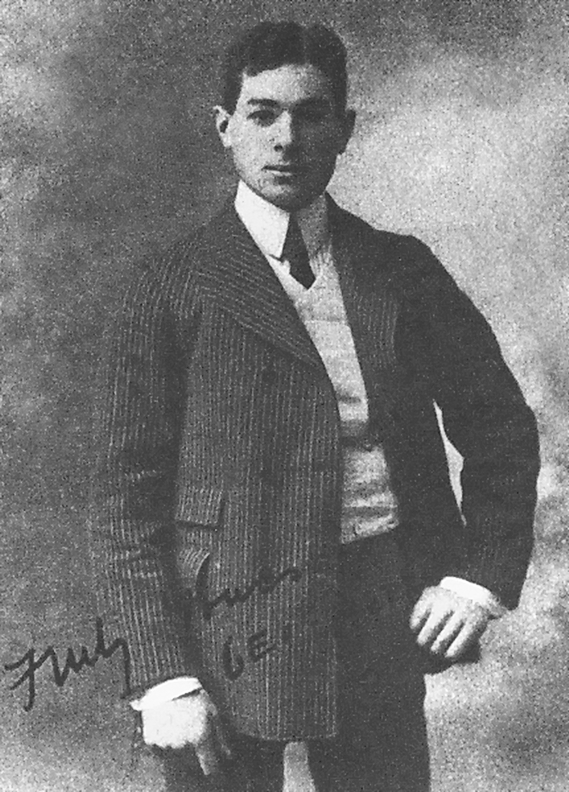
0 sources
Summary
George Herriman was born on August 22, 1880[1], in New Orleans[2]. He died on April 25, 1944[3], in Los Angeles[4]. He worked as a cartoonist[5], comics artist[6], illustrator[7], caricaturist[8], and draftsperson[9]. He ranks in the top 0.71% of human entities by monthly Wikipedia readership (1,396 views/month, #7,131 of 1,000,298).[10]
Key Facts
- Date of death: April 26, 1944[11]
- Country of citizenship: United States[12]
- Ethnic group: African Americans[13], Louisiana Creole people[14]
- Employer: Los Angeles Herald[15], San Francisco Chronicle[16], New York World[17], New York Daily News[18]
- Educated at: Loyola High School[19]
- Notable work: Krazy Kat[20], The Dingbat Family[21]
- Award received: Will Eisner Hall of Fame[22], Angoulême International Comics Festival Prize for Inheritance[23]
- Influenced by: Miguel de Cervantes[24], Aesop[25]
- Sex or gender: male[26]
- Commons category: George Herriman[27]
- Cause of death: liver cirrhosis[28]
- Residence: New Orleans[29], New York City[30], Los Angeles[31]
- Family name: Herriman[32]
- Given name: George[33], Joseph[34]
- Topic's main category: Category:George Herriman[35]
- Commons gallery: George Herriman[36]
- Work location: United States[37]
- Manner of death: natural causes[38]
- Described by source: Billy Ireland Cartoon Library & Museum biographical files[39]
- Languages spoken, written or signed: English[40]
- Commons Creator page: George Herriman[41]
Why It Matters
George Herriman has Wikipedia articles in 18 language editions, a strong signal of global cultural recognition.[42] He is known by 23 alternative names across languages and contexts.[43]
He has been cited as an influence by Bill Watterson[44], a cartoonist[45], b. 1958[46], of United States[47], awarded the Grand prix de la ville d'Angoulême[48].
FAQs
Where was George Herriman born?
George Herriman was born in New Orleans[2].
Where did George Herriman die?
George Herriman died in Los Angeles[4].
What did George Herriman do for work?
George Herriman worked as a cartoonist[5], comics artist[6], illustrator[7], caricaturist[8], and draftsperson[9].
Where did George Herriman go to school?
George Herriman was educated at Loyola High School[19].
What awards did George Herriman receive?
Honors received include Will Eisner Hall of Fame[22] and Angoulême International Comics Festival Prize for Inheritance[23].
Who did George Herriman influence?
George Herriman has been cited as an influence by Bill Watterson[44].