
Fritz von Uhde
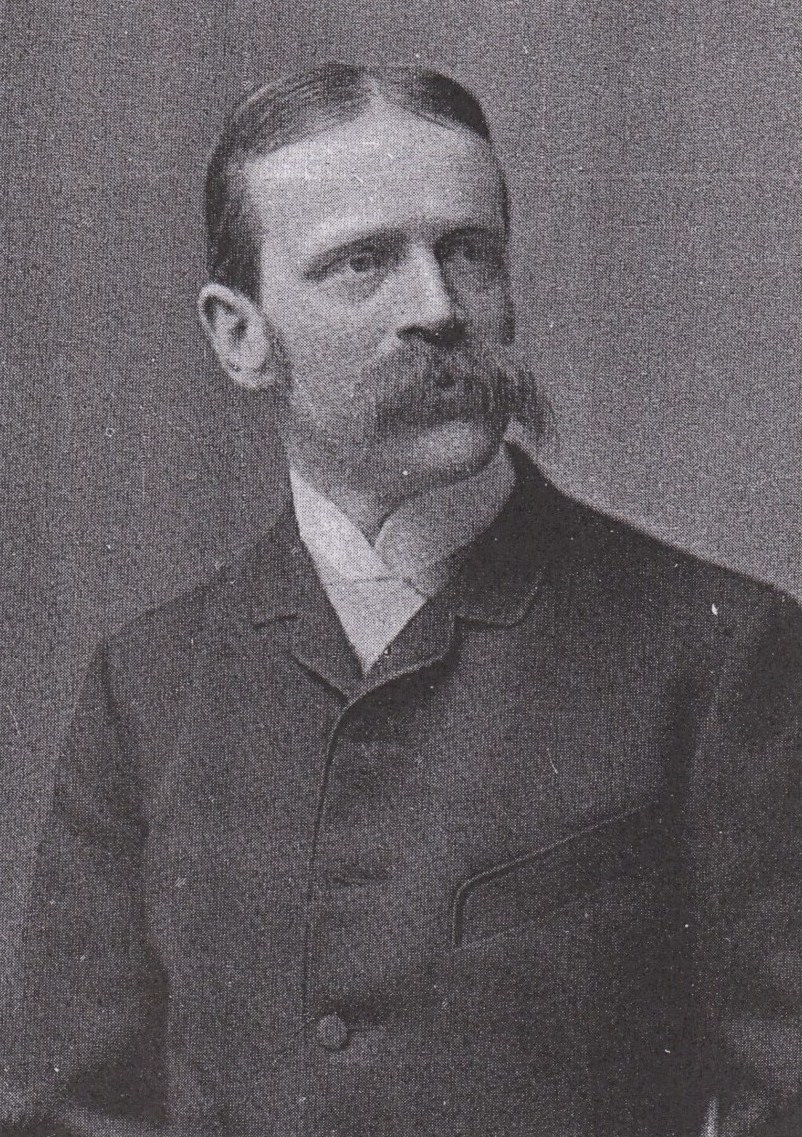
0 sources
Summary
Fritz von Uhde was born on May 22, 1848[1], in Limbach-Oberfrohna[2]. He died on February 25, 1911[3], in Munich[4]. He worked as a painter[5], university teacher[6], teacher[7], military personnel[8], and history painter[9]. He ranks in the top 0.73% of human entities by monthly Wikipedia readership (453 views/month, #7,273 of 1,000,298).[10]
Key Facts
- Place of birth: Wolkenburg[11]
- Place of burial: Munich Forest Cemetery[12]
- Child: Sofie von Uhde[13]
- Country of citizenship: Kingdom of Saxony[14]
- Occupation: genre painter[15], military officer[16]
- Field of work: painting[17]
- Employer: Academy of Fine Arts, Munich[18]
- Educated at: Academy of Fine Arts, Munich[19]
- Student: Arthur Garguromin-Verona[20], Paula von Waechter[21]
- Notable work: Christ with the Peasants[22]
- Award received: Order of the Saxe-Ernestine[23], Royal Order of Vasa[24], Bavarian Maximilian Order for Science and Art[25], Albert Order[26]
- Sex or gender: male[27]
- Movement: realism[28], Impressionism[29]
- Genre: portrait[30]
- Commons category: Fritz von Uhde[31]
- Military, police or special rank: cavalry master[32]
- Family name: Uhde[33], von Uhde[34]
- Given name: Fritz[35], Friedrich[36], Hermann[37], Carl[38]
- Work location: Munich[39]
- Student of: Mihály Munkácsy[40]
- Described by source: Meyers Konversations-Lexikon, 4th edition (1885–1890)[41], Brockhaus and Efron Encyclopedic Dictionary[42], Albert Edelfelt's letters[43], Encyclopædia Britannica 11th edition[44], New International Encyclopedia[45], Paintings of the nineteenth century: contribution to the history of art[46]
- Languages spoken, written or signed: German[47]
- Commons Creator page: Fritz von Uhde[48]
- Birth name: Friedrich Hermann Carl Uhde[49]
- Name in native language: Fritz von Uhde[50]
Why It Matters
Fritz von Uhde has Wikipedia articles in 17 language editions, a strong signal of global cultural recognition.[51] He is known by 77 alternative names across languages and contexts.[52]
He has been cited as an influence by Octav Băncilă[53], a painter[54], 1872–1944[55], of Romania[56], specialised in painting[57] and Nicolae Vermont[58], a painter[59], 1866–1932[60], of Romania[61], specialised in painting[62].
FAQs
Where was Fritz von Uhde born?
Fritz von Uhde's place of birth was Limbach-Oberfrohna[2].
Where did Fritz von Uhde die?
Fritz von Uhde passed away in Munich[4].
What did Fritz von Uhde do for work?
Fritz von Uhde worked as a painter[5], university teacher[6], teacher[7], military personnel[8], and history painter[9].
Where did Fritz von Uhde go to school?
Fritz von Uhde was educated at Academy of Fine Arts, Munich[19].
What awards did Fritz von Uhde receive?
Honors received include Order of the Saxe-Ernestine[23], Royal Order of Vasa[24], Bavarian Maximilian Order for Science and Art[25], and Albert Order[26].
Who did Fritz von Uhde influence?
Fritz von Uhde has been cited as an influence by Octav Băncilă[53] and Nicolae Vermont[58].