
Francisco de Zurbarán
0 sources
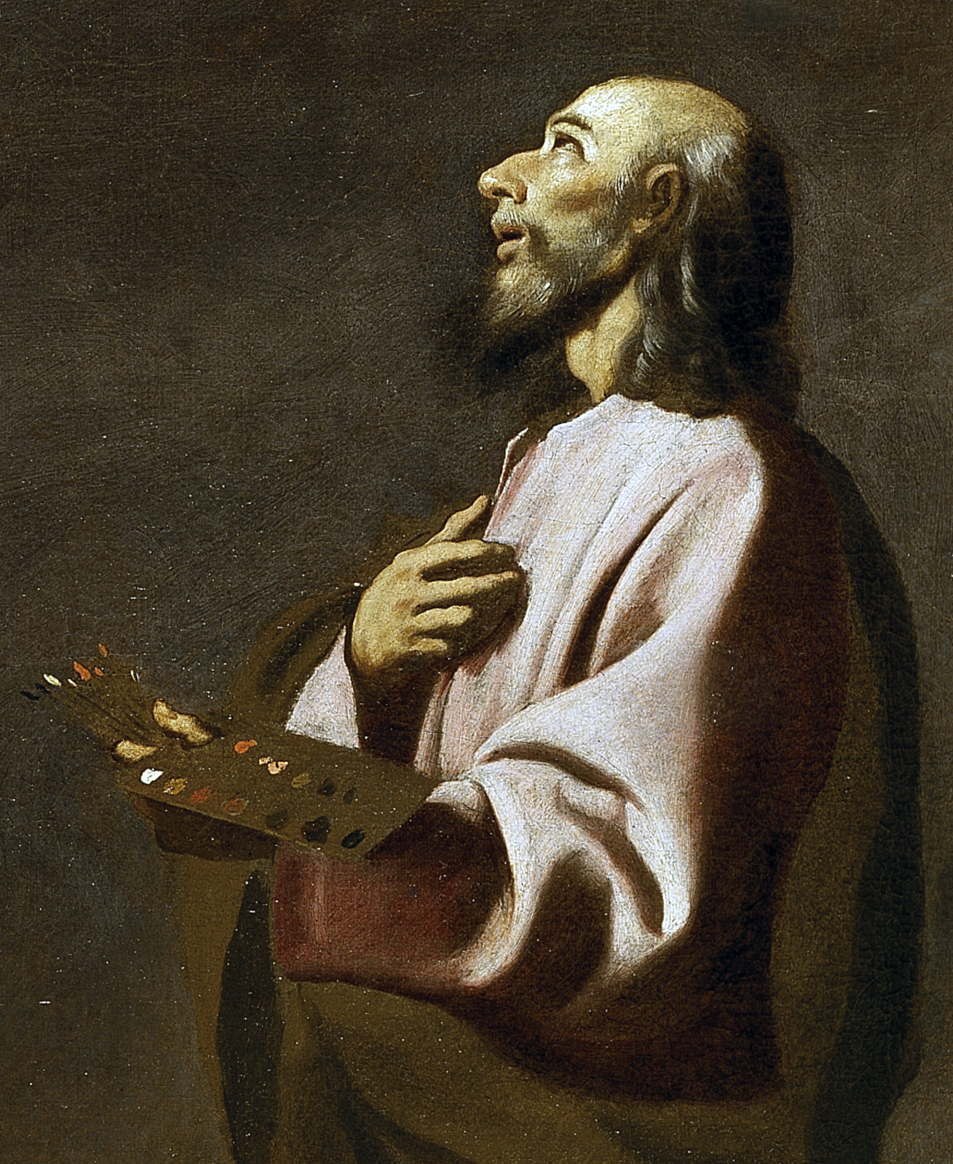
Francisco de Zurbarán was born on November 7, 1598, in Fuente de Cantos [1][2][3][4][5][6][7][8][9][10]. A Spanish citizen [11], he became a painter [12][13][7] associated with the Baroque movement [14][7]. His work spanned multiple genres, including still life, religious painting, portrait, history painting, genre painting, and mythological painting [8][7].
Zurbarán had a son, Juan de Zurbarán [13]. His career culminated in Madrid, where he died on August 27, 1664 [15][16][1][2][17][3][4][5][6][12][7][8][9].
Key Facts
- Francisco de Zurbarán's place of birth was Fuente de Cantos[2].
- Francisco de Zurbarán died in Madrid[4].
- Francisco de Zurbarán was born on November 7, 1598[3].
- Francisco de Zurbarán died on August 27, 1664[5].
- Francisco de Zurbarán was married to María Páez[8].
- Among Francisco de Zurbarán's spouses was Beatriz de Morales[9].
- Francisco de Zurbarán was married to Leonor de Torder[10].
- A child of Francisco de Zurbarán was Juan de Zurbarán[11].
- Francisco de Zurbarán held citizenship in Spain[12].
- Francisco de Zurbarán is identified as part of the Spaniards ethnic group[13].
- Francisco de Zurbarán worked as a painter[6].
- Francisco de Zurbarán's field of work was painting[14].
- A notable student of Francisco de Zurbarán was José de Sarabia[15].
- A notable work attributed to Francisco de Zurbarán is Saint Hugh in the Carthusian Refectory[16].
- A notable work attributed to Francisco de Zurbarán is Crucifixion of Christ[17].
- A notable work attributed to Francisco de Zurbarán is Immaculate Conception[18].
- Francisco de Zurbarán is recorded as male[19].
- Francisco de Zurbarán's instance of is recorded as human[20].
- Francisco de Zurbarán is associated with the Baroque movement[21].
- Francisco de Zurbarán's genre is still life[22].
- Francisco de Zurbarán's genre is religious painting[23].
- Francisco de Zurbarán's genre is portrait[24].
- Francisco de Zurbarán's genre is history painting[25].
- Francisco de Zurbarán's genre is genre painting[26].
- Francisco de Zurbarán's genre is mythological painting[27].
Body
Origins and Family
Francisco de Zurbarán's place of birth was Fuente de Cantos[2]. He was born on November 7, 1598[3]. He is identified as part of the Spaniards ethnic group[13].
Career and Affiliations
Francisco de Zurbarán worked as a painter[6]. His field of work was painting[14]. A notable student of him was José de Sarabia[15].
Works and Contributions
Notable works include Saint Hugh in the Carthusian Refectory[16], a painting[28], founded in 1655[29]; Crucifixion of Christ[17], a painting[30], founded in 1627[31]; and Immaculate Conception[18], a painting[32], founded in 1632[33].
Personal Life
Spouses include María Páez[8], Beatriz de Morales[9], and Leonor de Torder[10]. A child of Francisco de Zurbarán was Juan de Zurbarán[11].
Death and Burial
Francisco de Zurbarán died on August 27, 1664[5]. He passed away in Madrid[4].
Why It Matters
Francisco de Zurbarán ranks in the top 0.6% of human entities by monthly Wikipedia readership (1,626 views/month, #5,994 of 1,000,298).[7] He has Wikipedia articles in 27 language editions, a strong signal of global cultural recognition.[34] He is known by 100 alternative names across languages and contexts.[35]
He has been cited as an influence by Gustave Courbet[36], a painter[37], 1819–1877[38], of France[39], awarded the Salon of French Artists[40], specialised in painting[41]; Josefa de Óbidos[42], a painter[43], 1630–1684[44], of Spain[45]; and Ralf Metzenmacher[46], a painter[47], 1964–2020[48], of Germany[49], specialised in painting[50].
Works attributed to him include altarpiece of the Church of the Convento de San José[51], a reredos[52], in Spain[53].
FAQs
Where was Francisco de Zurbarán born?
Born in Fuente de Cantos[2].
Where did Francisco de Zurbarán die?
Francisco de Zurbarán passed away in Madrid[4].
Who was Francisco de Zurbarán married to?
Francisco de Zurbarán's spouses include María Páez[8], Beatriz de Morales[9], and Leonor de Torder[10].
What did Francisco de Zurbarán do for work?
Francisco de Zurbarán worked as painter[6].
Who did Francisco de Zurbarán influence?
Francisco de Zurbarán has been cited as an influence by Gustave Courbet[36], Josefa de Óbidos[42], and Ralf Metzenmacher[46].