
Francis II Rákóczi
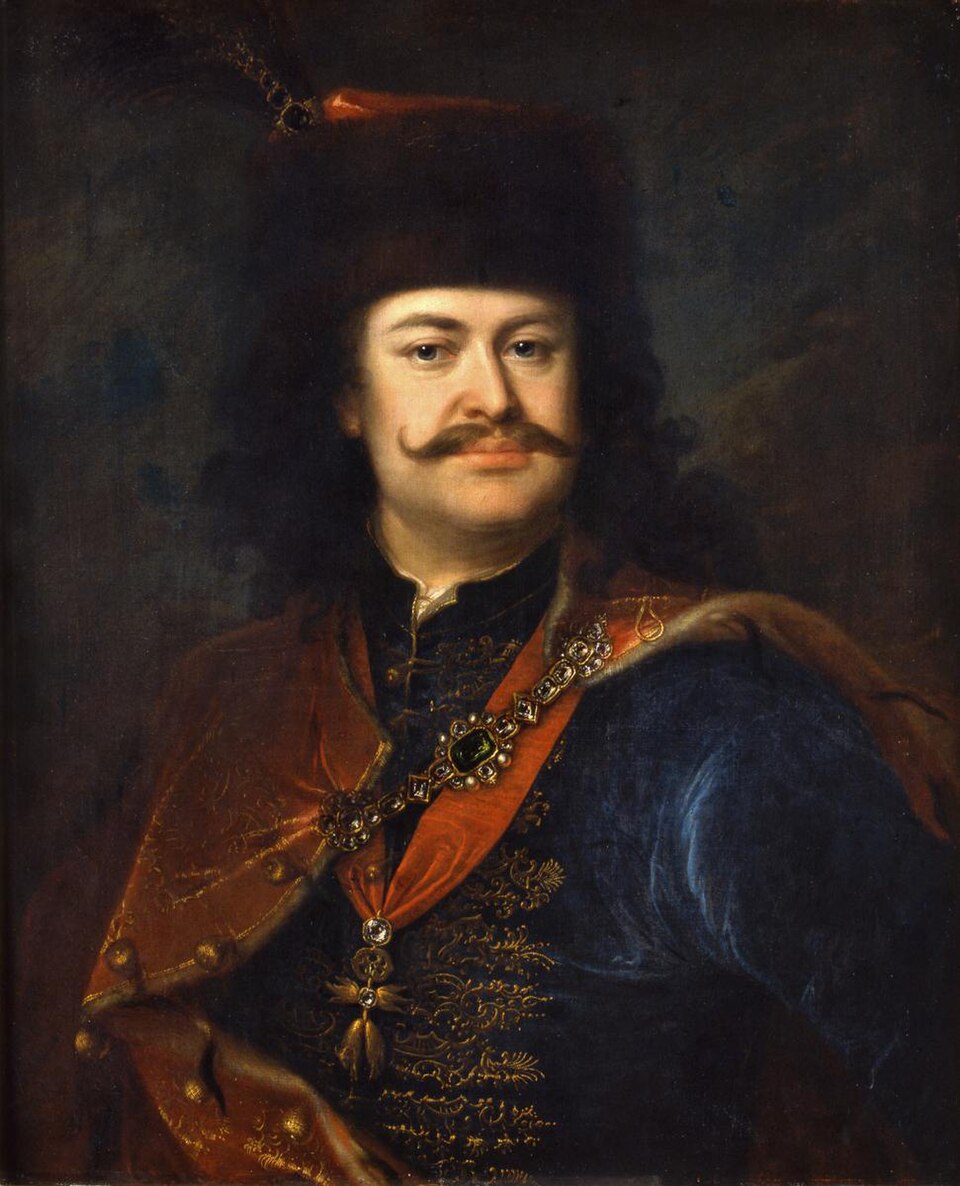
0 sources
Summary
Francis II Rákóczi was born on March 27, 1676[1], in Borša[2]. He died on April 8, 1735[3], in Tekirdağ[4]. He worked as a military leader[5] and politician[6]. He ranks in the top 0.69% of human entities by monthly Wikipedia readership (2,971 views/month, #6,946 of 1,000,298).[7]
Key Facts
- Date of birth: February 27, 1676[8]
- Place of burial: Cathedral of St. Elizabeth[9]
- Father: Francis I Rákóczi[10]
- Mother: Ilona Zrínyi[11]
- Spouse: Charlotte Amalie of Hesse-Wanfried[12]
- Child: József Rákóczi[13], György Rákóczi[14], Count of St. Germain[15]
- Country of citizenship: Hungary[16]
- Native language: Hungarian[17]
- Field of work: politics[18], military affairs[19], nobility[20]
- Position held: Prince of Transylvania[21]
- Award received: Knight of the Order of the Golden Fleece[22]
- Sex or gender: male[23]
- Family: Rákóczi[24]
- Noble title: prince[25]
- Member of political party: politician before the emergence of political parties[26]
- Commons category: Francis II Rákóczi[27]
- Military, police or special rank: general[28]
- Family name: Rákóczi[29]
- Given name: Ferenc[30], François[31]
- Topic's main category: Category:Francis II Rákóczi[32]
- Described by source: Armenian Soviet Encyclopedia[33], regional database of the Municipal Library of Jindřichův Hradec[34], Small Brockhaus and Efron Encyclopedic Dictionary[35], Papers of August Hermann Francke[36]
- Languages spoken, written or signed: Hungarian[37], French[38], German[39], Latin[40]
- Name in native language: II Ferenc Rákóczi[41]
- Owner of: Mercurius Hungaricus[42], Roland[43]
Body
Works and Contributions
Things named for Francis II Rákóczi include Rákóczi Avenue[44], an avenue[45], in Hungary[46], founded in 1600[47]; Rákóczi Museum[48], a historic house museum[49], in Turkey[50], founded in 1982[51]; Rákóczifalva[52], a town in Hungary[53], in Hungary[54]; Rákócziújfalu[55], a municipality of Hungary[56], in Hungary[57], founded in 1950[58]; and Rákóczibánya[59], a municipality of Hungary[60], in Hungary[61].
Why It Matters
Francis II Rákóczi has Wikipedia articles in 25 language editions, a strong signal of global cultural recognition.[62] He is known by 73 alternative names across languages and contexts.[63]
Entities named for him include Rákóczi Avenue[44], an avenue[45], in Hungary[46], founded in 1600[47]; Rákóczi Museum[48], a historic house museum[49], in Turkey[50], founded in 1982[51]; Rákóczifalva[52], a town in Hungary[53], in Hungary[54]; Rákócziújfalu[55], a municipality of Hungary[56], in Hungary[57], founded in 1950[58]; and Rákóczibánya[59], a municipality of Hungary[60], in Hungary[61].
FAQs
Where was Francis II Rákóczi born?
Francis II Rákóczi was born in Borša[2].
Where did Francis II Rákóczi die?
Francis II Rákóczi passed away in Tekirdağ[4].
Who were Francis II Rákóczi's parents?
Francis II Rákóczi's father was Francis I Rákóczi[10]. Francis II Rákóczi's mother was Ilona Zrínyi[11].
Who was Francis II Rákóczi married to?
Francis II Rákóczi's spouses include Charlotte Amalie of Hesse-Wanfried[12].
What did Francis II Rákóczi do for work?
Francis II Rákóczi worked as a military leader[5] and politician[6].
What awards did Francis II Rákóczi receive?
Honors received include Knight of the Order of the Golden Fleece[22].