
First Apocalypse of James
third century Christian Gnostic text
Press Enter · cited answer in seconds
0 sources
Summary
First Apocalypse of James is a New Testament apocrypha[1]. It draws 97 Wikipedia views per month (new_testament_apocrypha category, ranking #10 of 27).[2]
Key Facts
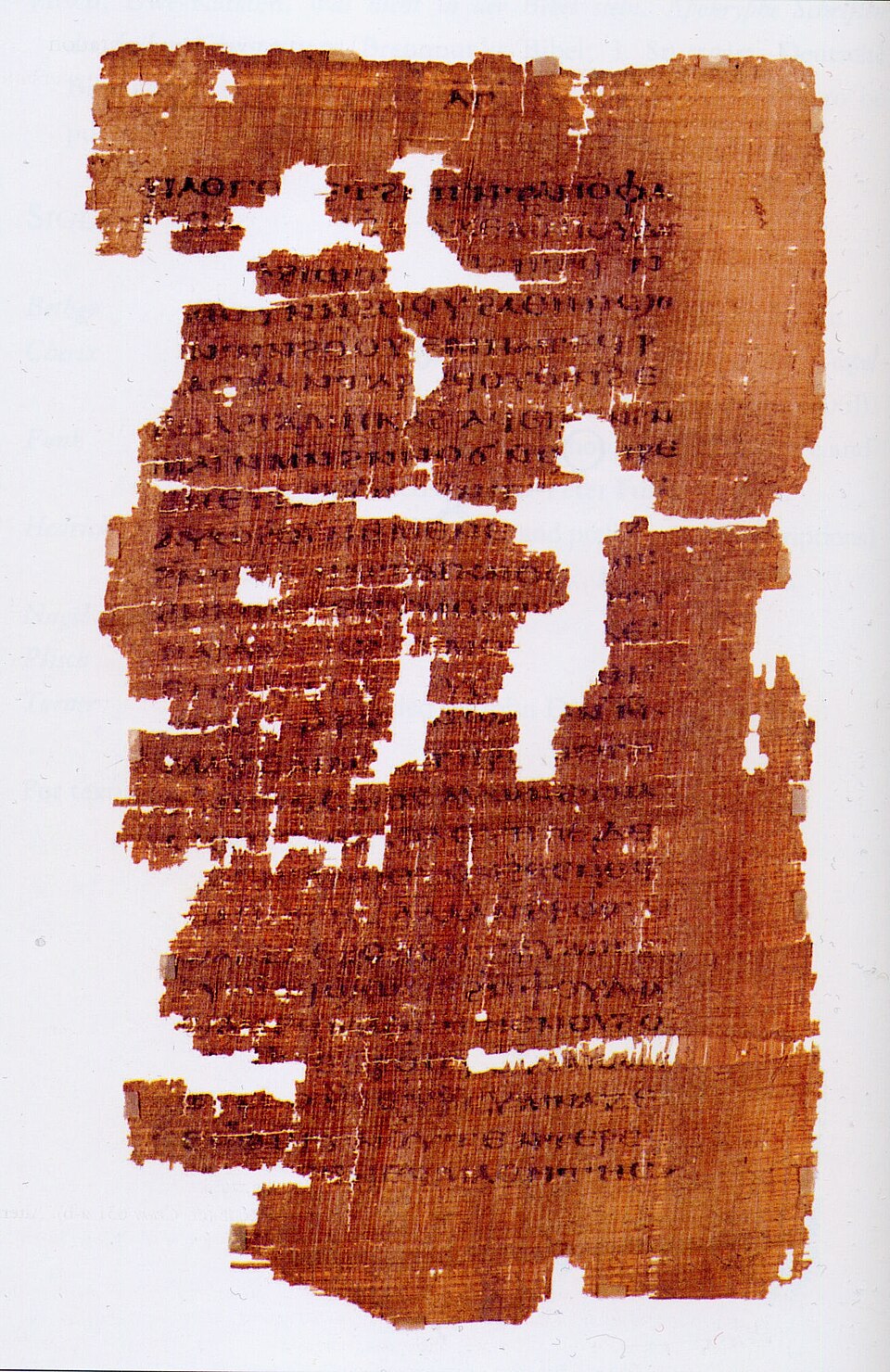
- First Apocalypse of James's image is recorded as Codex Tchacos p33.jpg[3].
- First Apocalypse of James's instance of is recorded as New Testament apocrypha[4].
- First Apocalypse of James's genre is recorded as apocalyptic literature[5].
- James the Just is named after First Apocalypse of James[6].
- First Apocalypse of James's VIAF cluster ID is recorded as 174560263[7].
- First Apocalypse of James's Library of Congress authority ID is recorded as n93090256[8].
- First Apocalypse of James's Bibliothèque nationale de France ID is recorded as 16534972s[9].
- First Apocalypse of James's IdRef ID is recorded as 166837490[10].
- First Apocalypse of James's Freebase ID is recorded as /m/04wct1[11].
- First Apocalypse of James's characters is recorded as Jesus Christ[12].
- First Apocalypse of James's characters is recorded as James the Just[13].
- First Apocalypse of James's work available at URL is recorded as http://www.gnosis.org/naghamm/1ja.html[14].
- First Apocalypse of James's BIBSYS ID is recorded as 90774784[15].
- First Apocalypse of James's published in is recorded as Codex Tchacos[16].
- First Apocalypse of James's published in is recorded as Nag Hammadi library[17].
- First Apocalypse of James's BabelNet ID is recorded as 00558729n[18].
- First Apocalypse of James's Clavis Patrum Graecorum ID is recorded as 1192[19].
- First Apocalypse of James's Canadiana Name Authority ID is recorded as ncf11830941[20].
- First Apocalypse of James's National Library of Israel J9U ID is recorded as 987007507328205171[21].
Why It Matters
First Apocalypse of James draws 97 Wikipedia views per month (new_testament_apocrypha category, ranking #10 of 27).[2] It has Wikipedia articles in 10 language editions, a strong signal of global cultural recognition.[22] It is known by 3 alternative names across languages and contexts.[23]