
Ferdinand Brunot
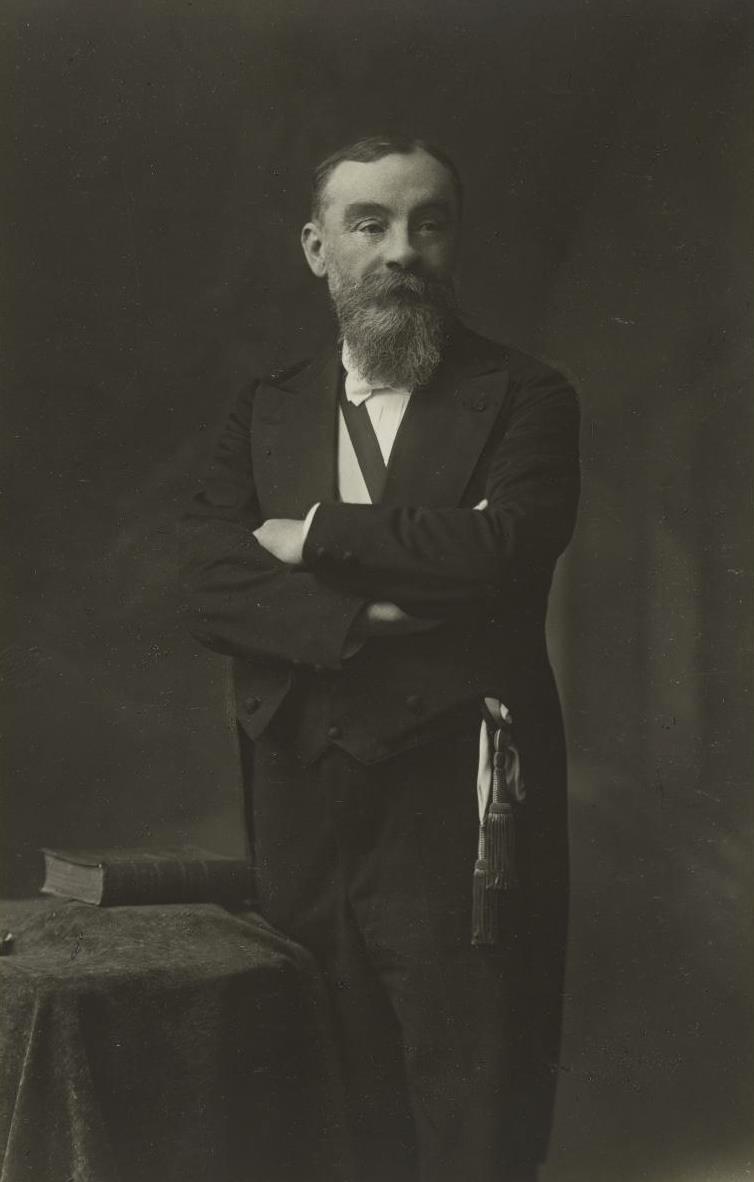
0 sources
Summary
Ferdinand Brunot is a human[1]. His place of birth was Saint-Dié-des-Vosges[2]. He was born on November 6, 1860[3]. He passed away in Paris[4]. He died on January 7, 1938[5]. He worked as a linguist[6], university teacher[7], philologist[8], and romanist[9]. He has Wikipedia articles in 6 language editions, a strong signal of global cultural recognition.[10]
Key Facts
- Ferdinand Brunot was born in Saint-Dié-des-Vosges[2].
- Ferdinand Brunot passed away in Paris[4].
- Ferdinand Brunot was born on November 6, 1860[3].
- Ferdinand Brunot died on January 7, 1938[5].
- Ferdinand Brunot is buried at Neuilly-sur-Seine New Communal Cemetery[11].
- Ferdinand Brunot held citizenship in France[12].
- Ferdinand Brunot worked as a linguist[6].
- Ferdinand Brunot's professions included university teacher[7].
- Ferdinand Brunot worked as a philologist[8].
- Ferdinand Brunot worked as a romanist[9].
- Ferdinand Brunot held the position of Mayor of 14th arrondissement of Paris[13].
- Ferdinand Brunot held the position of dean[14].
- Among Ferdinand Brunot's employers was Faculty of Arts of Paris[15].
- Ferdinand Brunot was employed by University of Lyon[16].
- Ferdinand Brunot was employed by École normale supérieure de jeunes filles[17].
- Ferdinand Brunot was educated at École Normale Supérieure[18].
- Ferdinand Brunot was educated at Faculty of Arts of Paris[19].
- Ferdinand Brunot's education included a stint at Lycée Louis-le-Grand[20].
- Ferdinand Brunot received the prix Archon-Despérouses[21].
- Ferdinand Brunot received the Honorary doctor of the University of Liège[22].
- Ferdinand Brunot received the honorary doctor of the Université libre de Bruxelles[23].
- Ferdinand Brunot received the honorary doctorate from the University of Cambridge[24].
- Ferdinand Brunot received the Saintour Prize[25].
- Ferdinand Brunot received the honorary doctor of the University of Amsterdam[26].
- Ferdinand Brunot was a member of Academie Royale de Langue et de littérature Françaises[27].
Body
Origins and Family
Born in Saint-Dié-des-Vosges[2], Ferdinand Brunot… he was born on November 6, 1860[3].
Education
Educated at École Normale Supérieure[18], a école normale supérieure[28], in France[29], founded in 1794[30], headquartered in Paris[31]; Faculty of Arts of Paris[19], a faculty[32], in France[33], founded in 1808[34]; and Lycée Louis-le-Grand[20], an educational facility[35], in France[36], founded in 1965[37].
Career and Affiliations
Recorded occupations include linguist[6], university teacher[7], philologist[8], and romanist[9]. Employers include Faculty of Arts of Paris[15], a faculty[38], in France[39], founded in 1808[40]; University of Lyon[16], a university in France[41], in France[42], founded in 1896[43]; and École normale supérieure de jeunes filles[17], a école normale supérieure[44], in France[45], founded in 1881[46]. Positions held include Mayor of 14th arrondissement of Paris[13] and dean[14], a corporate title[47], founded in 0907[48]. Doctoral students include Charles Beaulieux[49], a librarian[50], 1872–1957[51], of France[52], awarded the Saintour Prize[53], specialised in history of French[54]; Marguerite Durand[55], a linguist[56], 1904–1962[57], of France[58]; and Nikola Banašević[59], a philologist[60], 1895–1992[61], awarded the honorary doctor of the University of Bordeaux[62], specialised in philology[63].
Recognition
Awards received include prix Archon-Despérouses[21], a poetry award[64], in France[65], founded in 1834[66]; Honorary doctor of the University of Liège[22], an award[67], in Belgium[68]; honorary doctor of the Université libre de Bruxelles[23], an honorary degree[69], in Belgium[70]; honorary doctorate from the University of Cambridge[24], an award[71], in United Kingdom[72]; Saintour Prize[25], a literary award[73], in France[74], founded in 1889[75]; and honorary doctor of the University of Amsterdam[26], an award[76], in Netherlands[77].
Death and Burial
Ferdinand Brunot died on January 7, 1938[5]. He died in Paris[4]. Burial took place at Neuilly-sur-Seine New Communal Cemetery[11].
Why It Matters
Ferdinand Brunot has Wikipedia articles in 6 language editions, a strong signal of global cultural recognition.[10] He is known by 5 alternative names across languages and contexts.[78]
FAQs
Where was Ferdinand Brunot born?
Born in Saint-Dié-des-Vosges[2].
Where did Ferdinand Brunot die?
Ferdinand Brunot died in Paris[4].
What did Ferdinand Brunot do for work?
Ferdinand Brunot worked as linguist[6], university teacher[7], philologist[8], and romanist[9].
Where did Ferdinand Brunot go to school?
Ferdinand Brunot was educated at École Normale Supérieure[18], Faculty of Arts of Paris[19], and Lycée Louis-le-Grand[20].
What awards did Ferdinand Brunot receive?
Honors received include prix Archon-Despérouses[21], Honorary doctor of the University of Liège[22], honorary doctor of the Université libre de Bruxelles[23], and honorary doctorate from the University of Cambridge[24].