
Ferdinand Brunetière
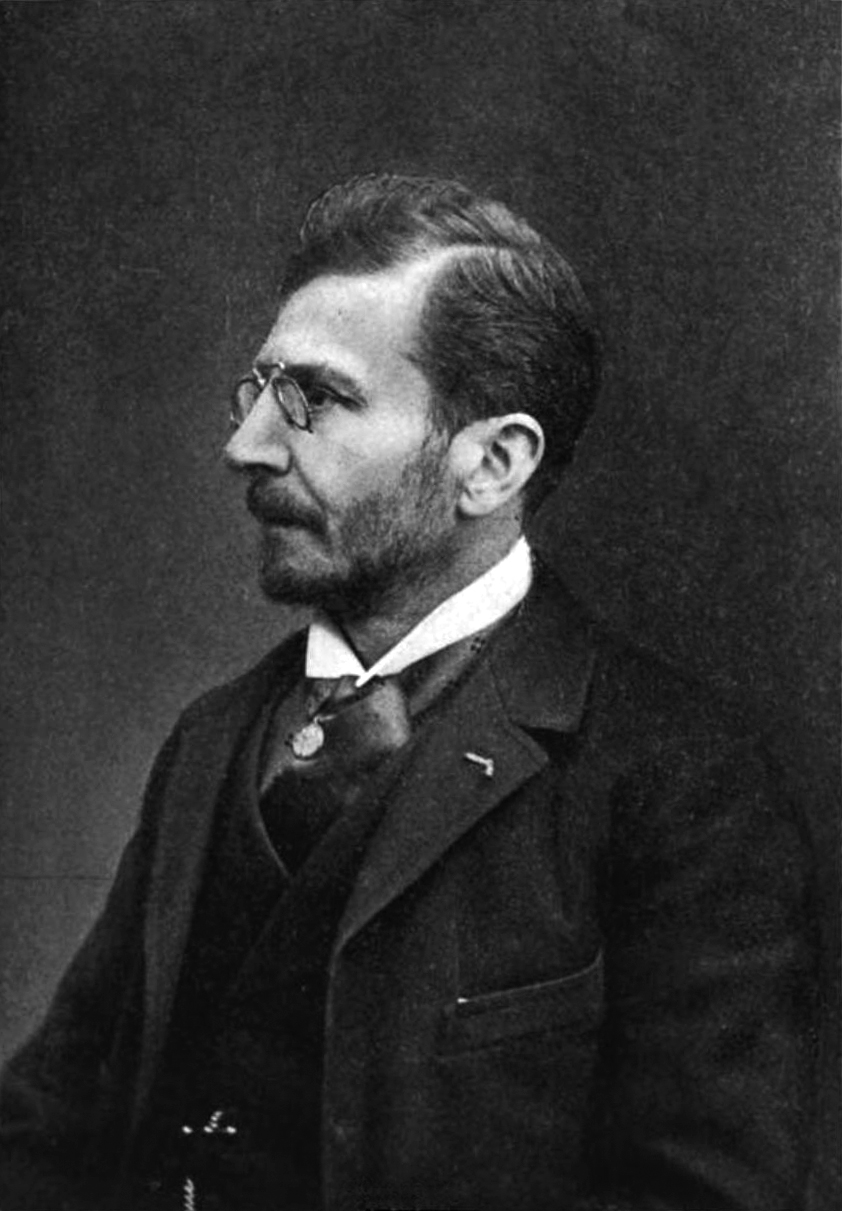
0 sources
Ferdinand Brunetière
Summary
Ferdinand Brunetière is a human[1]. He was born in Toulon[2]. He was born on July 19, 1849[3]. He passed away in rue Joseph-Bara[4]. He died on December 9, 1906[5]. He worked as a writer[6], literary historian[7], and literary critic[8]. He ranks in the top 0.73% of human entities by monthly Wikipedia readership (232 views/month, #7,287 of 1,000,298).[9]
Key Facts
- Born in Toulon[2], Ferdinand Brunetière…
- Ferdinand Brunetière passed away in rue Joseph-Bara[4].
- Ferdinand Brunetière was born on July 19, 1849[3].
- Ferdinand Brunetière was born on January 1, 1849[10].
- Ferdinand Brunetière died on December 9, 1906[5].
- Ferdinand Brunetière died on January 1, 1906[11].
- Burial took place at Montparnasse Cemetery[12].
- Ferdinand Brunetière held citizenship in France[13].
- French was Ferdinand Brunetière's native language[14].
- Ferdinand Brunetière's professions included writer[6].
- Ferdinand Brunetière worked as a literary historian[7].
- Ferdinand Brunetière worked as a literary critic[8].
- Ferdinand Brunetière held the position of senior lecturer[15].
- Ferdinand Brunetière held the position of member of the Académie française[16].
- Ferdinand Brunetière was employed by University of Paris[17].
- Among Ferdinand Brunetière's employers was École normale supérieure Paris-Saclay[18].
- Ferdinand Brunetière was educated at Lycée Thiers[19].
- Ferdinand Brunetière's education included a stint at Lycée Louis-le-Grand[20].
- Ferdinand Brunetière received the Knight of the Legion of Honour[21].
- Ferdinand Brunetière received the Jean Reynaud Prize[22].
- Ferdinand Brunetière received the Bordin Prize[23].
- Ferdinand Brunetière was a member of Ligue de la Patrie Française[24].
- Ferdinand Brunetière was a member of American Academy of Arts and Sciences[25].
- Ferdinand Brunetière was a member of Académie Française[26].
- Ferdinand Brunetière's religion is recorded as Catholic Church[27].
Body
Origins and Family
Born in Toulon[2], Ferdinand Brunetière… Recorded date of birth include July 19, 1849[3] and January 1, 1849[10]. French was his native language[14].
Education
Educated at Lycée Thiers[19], an educational facility[28], in France[29], founded in 1965[30] and Lycée Louis-le-Grand[20], an educational facility[31], in France[32], founded in 1965[33].
Career and Affiliations
Recorded occupations include writer[6], literary historian[7], and literary critic[8]. Employers include University of Paris[17], a former entity[34], in France[35], founded in 1150[36] and École normale supérieure Paris-Saclay[18], an educational institution[37], in France[38], founded in 1912[39], headquartered in Gif-sur-Yvette[40]. Positions held include senior lecturer[15], a position[41], in France[42] and member of the Académie française[16].
Recognition
Awards received include Knight of the Legion of Honour[21], a Q1499804[43], in France[44]; Jean Reynaud Prize[22], a literary award[45], in France[46]; and Bordin Prize[23], a literary award[47], in France[48], founded in 1835[49].
Personal Life
Ferdinand Brunetière's religion is recorded as Catholic Church[27].
Death and Burial
Recorded date of death include December 9, 1906[5] and January 1, 1906[11]. Ferdinand Brunetière passed away in rue Joseph-Bara[4]. Burial took place at Montparnasse Cemetery[12].
Why It Matters
Ferdinand Brunetière ranks in the top 0.73% of human entities by monthly Wikipedia readership (232 views/month, #7,287 of 1,000,298).[9] He has Wikipedia articles in 15 language editions, a strong signal of global cultural recognition.[50] He is known by 30 alternative names across languages and contexts.[51]
FAQs
Where was Ferdinand Brunetière born?
Born in Toulon[2], Ferdinand Brunetière…
Where did Ferdinand Brunetière die?
Ferdinand Brunetière passed away in rue Joseph-Bara[4].
What did Ferdinand Brunetière do for work?
Ferdinand Brunetière worked as writer[6], literary historian[7], and literary critic[8].
Where did Ferdinand Brunetière go to school?
Ferdinand Brunetière was educated at Lycée Thiers[19] and Lycée Louis-le-Grand[20].
What awards did Ferdinand Brunetière receive?
Honors received include Knight of the Legion of Honour[21], Jean Reynaud Prize[22], and Bordin Prize[23].