
Félix Fénéon
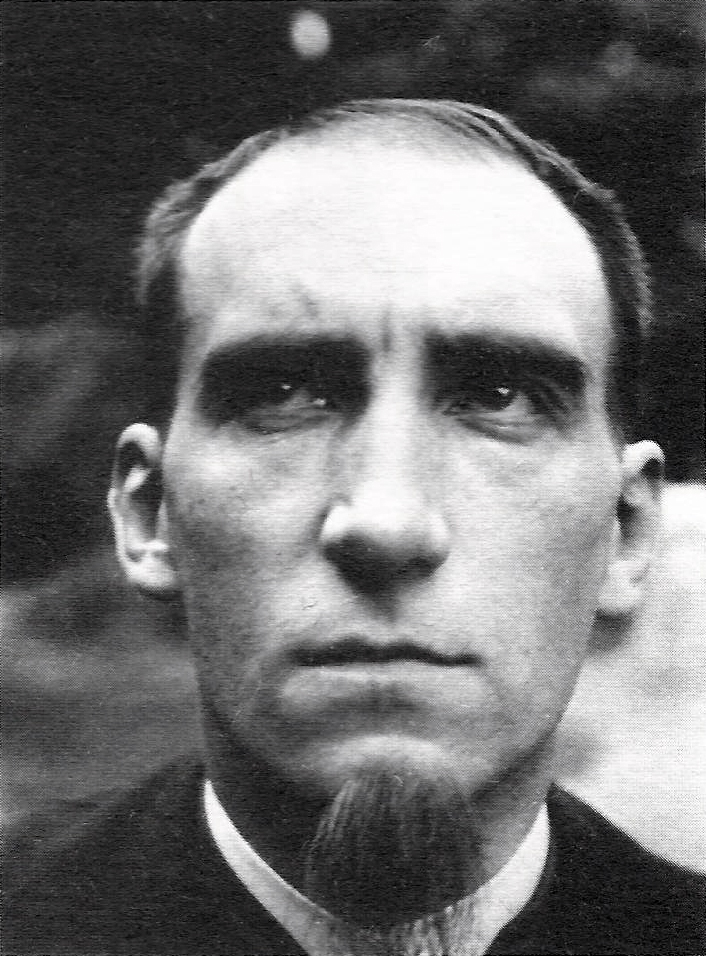
0 sources
Summary
Félix Fénéon is a human[1]. His place of birth was Turin[2]. He was born on June 22, 1861[3]. He died in Châtenay-Malabry[4]. He died on February 29, 1944[5]. He worked as a journalist[6], translator[7], art critic[8], and writer[9]. He ranks in the top 0.73% of human entities by monthly Wikipedia readership (449 views/month, #7,270 of 1,000,298).[10]
Key Facts
- Félix Fénéon was born in Turin[2].
- Félix Fénéon died in Châtenay-Malabry[4].
- Félix Fénéon was born on June 22, 1861[3].
- Félix Fénéon died on February 29, 1944[5].
- Félix Fénéon is buried at Crématorium-columbarium du Père-Lachaise[11].
- Burial took place at Grave of Félix Fénéon[12].
- Félix Fénéon held citizenship in France[13].
- Félix Fénéon held citizenship in Kingdom of Italy[14].
- French was Félix Fénéon's native language[15].
- Félix Fénéon's professions included journalist[6].
- Félix Fénéon's professions included translator[7].
- Félix Fénéon's professions included art critic[8].
- Félix Fénéon worked as a writer[9].
- Félix Fénéon's field of work was writer[16].
- Félix Fénéon was employed by La Revue Blanche[17].
- Félix Fénéon was employed by Bernheim-Jeune[18].
- Félix Fénéon was employed by Éditions de la Sirène, Paris[19].
- Félix Fénéon was a member of Académie Mallarmé[20].
- Félix Fénéon is recorded as male[21].
- Félix Fénéon's instance of is recorded as human[22].
- Félix Fénéon's Commons category is recorded as Félix Fénéon[23].
- Félix Fénéon's archives at is recorded as Departmental archives of Yvelines[24].
- Félix Fénéon's family name is recorded as Fénéon[25].
- Félix Fénéon's given name is recorded as Félix[26].
- Félix Fénéon's Commons gallery is recorded as Félix Fénéon[27].
Body
Origins and Family
Born in Turin[2], Félix Fénéon… he was born on June 22, 1861[3]. French was his native language[15].
Career and Affiliations
Recorded occupations include journalist[6], translator[7], art critic[8], and writer[9]. Félix Fénéon's field of work was writer[16]. Employers include La Revue Blanche[17], a periodical[28], in France[29], founded in 1889[30], headquartered in Liège[31]; Bernheim-Jeune[18], an art gallery[32], in France[33], founded in 1863[34], headquartered in Paris[35]; and Éditions de la Sirène, Paris[19], a publishing house[36], founded in 1917[37].
Death and Burial
Félix Fénéon died on February 29, 1944[5]. He died in Châtenay-Malabry[4]. Recorded place of burial include Crématorium-columbarium du Père-Lachaise[11] and Grave of him[12].
Works and Contributions
Things named for Félix Fénéon include Fénéon Prize[38], a literary award[39], in France[40], founded in 1949[41].
Why It Matters
Félix Fénéon ranks in the top 0.73% of human entities by monthly Wikipedia readership (449 views/month, #7,270 of 1,000,298).[10] He has Wikipedia articles in 15 language editions, a strong signal of global cultural recognition.[42] He is known by 13 alternative names across languages and contexts.[43]
He has been cited as an influence by Józef Pankiewicz[44], a painter[45], 1866–1940[46], of Poland[47], awarded the Knight of the Legion of Honour[48], specialised in painting[49].
He is credited with the discovery of Neo-impressionism[50], an art movement[51]. Entities named for him include Fénéon Prize[38], a literary award[39], in France[40], founded in 1949[41].
FAQs
Where was Félix Fénéon born?
Félix Fénéon's place of birth was Turin[2].
Where did Félix Fénéon die?
Félix Fénéon passed away in Châtenay-Malabry[4].
What did Félix Fénéon do for work?
Félix Fénéon worked as journalist[6], translator[7], art critic[8], and writer[9].
Who did Félix Fénéon influence?
Félix Fénéon has been cited as an influence by Józef Pankiewicz[44].
What did Félix Fénéon discover?
Félix Fénéon is credited as discoverer of Neo-impressionism[50].