
Ernesto Sabato
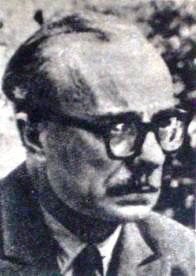
0 sources
Summary
Ernesto Sabato was born on June 24, 1911[1], in Rojas[2]. He died on April 30, 2011[3], in Santos Lugares[4]. He worked as a physicist[5], writer[6], painter[7], novelist[8], and essayist[9]. He ranks in the top 0.71% of human entities by monthly Wikipedia readership (5,165 views/month, #7,129 of 1,000,298).[10]
Key Facts
- Date of death: 2011[11]
- Child: Mario Sábato[12], Jorge Federico Sabato[13]
- Country of citizenship: Argentina[14]
- Occupation: poet[15], teacher[16]
- Employer: University of Buenos Aires[17], National University of La Plata[18]
- Educated at: National University of La Plata[19], Harvard University[20], Rafael Hernández National College[21]
- Notable work: El Túnel[22], On Heroes and Tombs[23], Abaddón el exterminador[24]
- Award received: Knight of the Legion of Honour[25], honorary doctorate of the University of Murcia[26], Menéndez Pelayo International Prize[27], Miguel de Cervantes Prize[28], Gold Medal of the Círculo de Bellas Artes[29], Gran Premio de Honor de la SADE[30], Q130852616[31]
- Member of: Modern Language Association[32]
- Sex or gender: male[33]
- Genre: essay[34]
- Commons category: Ernesto Sabato[35]
- Cause of death: bronchitis[36]
- Academic degree: Doctor of Philosophy in Physics[37]
- Residence: Santos Lugares[38]
- Family name: Sabato[39]
- Given name: Ernesto[40], Roque[41]
- Topic's main category: Category:Ernesto Sabato[42]
- Commons gallery: Ernesto Sabato[43]
- Manner of death: natural causes[44]
- Floruit: 1932[45]
- Described by source: Great Soviet Encyclopedia (1969–1978)[46]
Why It Matters
Ernesto Sabato has Wikipedia articles in 26 language editions, a strong signal of global cultural recognition.[47] He is known by 40 alternative names across languages and contexts.[48]
Works attributed to him include El Túnel[49], a literary work[50] and On Heroes and Tombs[51], a literary work[52].
FAQs
Where was Ernesto Sabato born?
Ernesto Sabato was born in Rojas[2].
Where did Ernesto Sabato die?
Ernesto Sabato passed away in Santos Lugares[4].
What did Ernesto Sabato do for work?
Ernesto Sabato worked as a physicist[5], writer[6], painter[7], novelist[8], and essayist[9].
Where did Ernesto Sabato go to school?
Ernesto Sabato was educated at National University of La Plata[19], Harvard University[20], and Rafael Hernández National College[21].
What awards did Ernesto Sabato receive?
Honors received include Knight of the Legion of Honour[25], honorary doctorate of the University of Murcia[26], Menéndez Pelayo International Prize[27], and Miguel de Cervantes Prize[28].