
Erik Gustaf Geijer
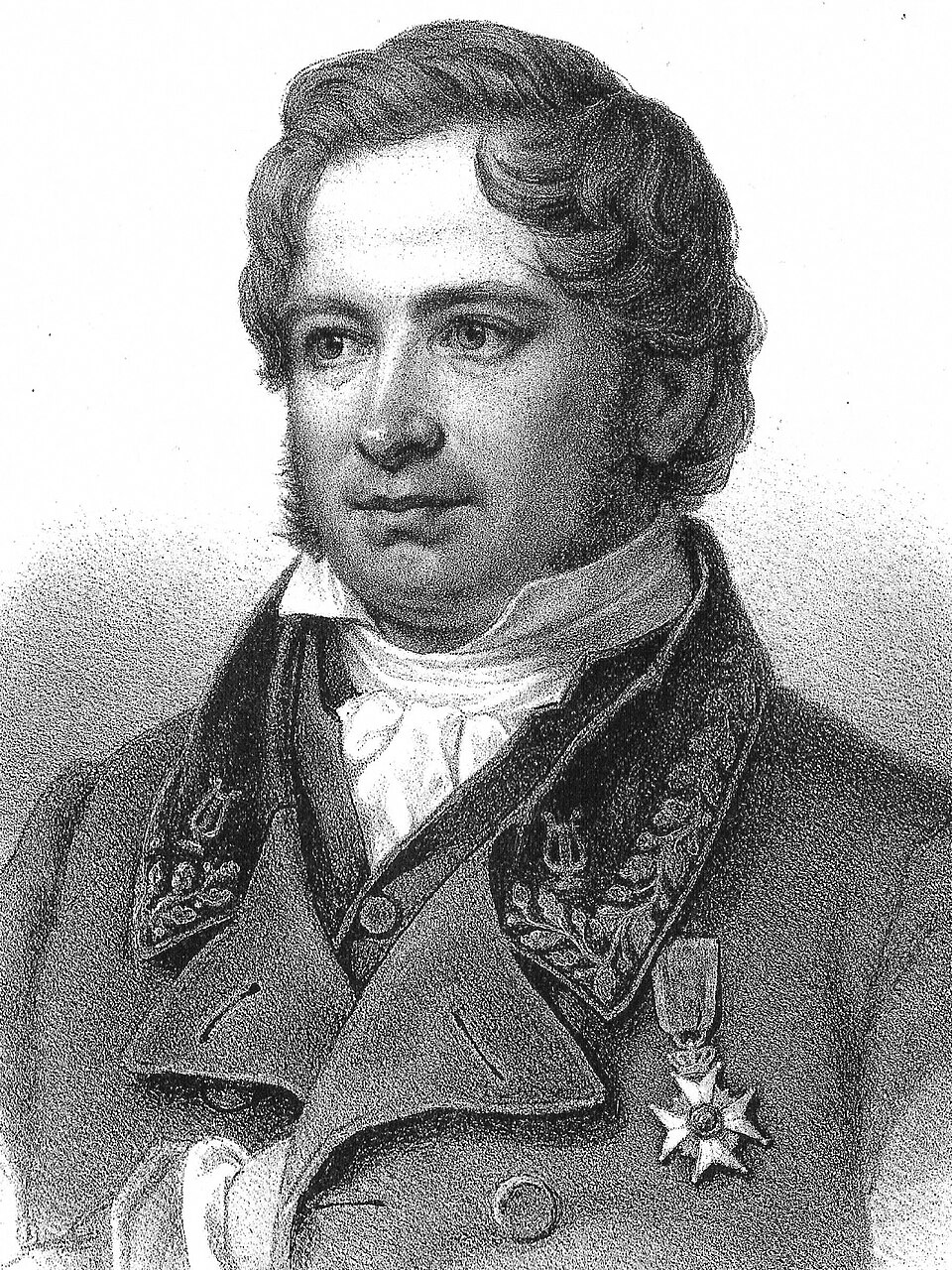
0 sources
Geijer held various notable positions, including member of the Riksdag of the Estates, seat 14 of the Swedish Academy from 1826 to 1847 , and member of the Riksdag of the Estates from 1828 to 1841 . He was also a member of several prestigious academies, including the Royal Swedish Academy of Sciences, Swedish Academy, Royal Prussian Academy of Sciences, and Royal Swedish Academy of Letters, History and Antiquities .
Geijer's notable works include På nyårsdagen 1838 and Records of Sweden . He died on April 23, 1847, in Stockholm [2][3][14][6][1][7][15][8] and was buried at Uppsala Old Cemetery [16][17].
Erik Gustaf Geijer
Summary
Erik Gustaf Geijer is a human[1]. Born in Ransäter[2], he… he was born on January 12, 1783[3]. He passed away in Stockholm[4]. He died on April 23, 1847[5]. He worked as a historian[6], writer[7], composer[8], poet[9], and translator[10]. He has Wikipedia articles in 17 language editions, a strong signal of global cultural recognition.[11]
Key Facts
- Erik Gustaf Geijer's place of birth was Ransäter[2].
- Erik Gustaf Geijer passed away in Stockholm[4].
- Erik Gustaf Geijer passed away in Jakob and Johannes parish[12].
- Erik Gustaf Geijer was born on January 12, 1783[3].
- Erik Gustaf Geijer died on April 23, 1847[5].
- Erik Gustaf Geijer is buried at Uppsala Old Cemetery[13].
- Erik Gustaf Geijer's father was Bengt Gustaf Geijer[14].
- Erik Gustaf Geijer's mother was Ulrica Magdalena Geisler[15].
- Among Erik Gustaf Geijer's spouses was Anna Lisa Lilljebjörn[16].
- A child of Erik Gustaf Geijer was Johanna Ulrika Agnes Geijer[17].
- Erik Gustaf Geijer held citizenship in Sweden[18].
- Erik Gustaf Geijer worked as a historian[6].
- Erik Gustaf Geijer's professions included writer[7].
- Erik Gustaf Geijer's professions included composer[8].
- Erik Gustaf Geijer worked as a poet[9].
- Erik Gustaf Geijer's professions included translator[10].
- Erik Gustaf Geijer worked as a musicologist[19].
- Erik Gustaf Geijer's field of work was literature[20].
- Erik Gustaf Geijer's field of work was history[21].
- Erik Gustaf Geijer held the position of member of the Riksdag of the Estates[22].
- Erik Gustaf Geijer held the position of seat 14 of the Swedish Academy[23].
- Erik Gustaf Geijer held the position of member of the Riksdag of the Estates[24].
- Among Erik Gustaf Geijer's employers was Uppsala University[25].
- Erik Gustaf Geijer was educated at Uppsala University[26].
- A notable work attributed to Erik Gustaf Geijer is På nyårsdagen 1838[27].
Body
Origins and Family
Born in Ransäter[2], Erik Gustaf Geijer… he was born on January 12, 1783[3]. His father was Bengt Gustaf Geijer[14]. His mother was Ulrica Magdalena Geisler[15].
Education
Erik Gustaf Geijer's education included a stint at Uppsala University[26].
Career and Affiliations
Recorded occupations include historian[6], writer[7], composer[8], poet[9], translator[10], and musicologist[19]. Fields of work include literature[20], a type of arts[28] and history[21]. Among Erik Gustaf Geijer's employers was Uppsala University[25]. Positions held include member of the Riksdag of the Estates[22], a member of the parliament of Sweden[29], in Sweden[30] and seat 14 of the Swedish Academy[23].
Works and Contributions
Notable works include På nyårsdagen 1838[27], a literary work[31] and Records of Sweden[32], a non-fiction work[33]. Things named for Erik Gustaf Geijer include Geijersgården[34], a museum[35], in Sweden[36], founded in 1738[37].
Personal Life
Among Erik Gustaf Geijer's spouses was Anna Lisa Lilljebjörn[16]. A child of him was Johanna Ulrika Agnes Geijer[17].
Death and Burial
Erik Gustaf Geijer died on April 23, 1847[5]. Recorded place of death include Stockholm[4], a city[38], in Sweden[39], founded in 1187[40] and Jakob and Johannes parish[12], a parish of the Church of Sweden[41], in Sweden[42], founded in 1643[43]. He is buried at Uppsala Old Cemetery[13].
Why It Matters
Erik Gustaf Geijer has Wikipedia articles in 17 language editions, a strong signal of global cultural recognition.[11] He is known by 25 alternative names across languages and contexts.[44]
Entities named for him include Geijersgården[34], a museum[35], in Sweden[36], founded in 1738[37].
FAQs
Where was Erik Gustaf Geijer born?
Born in Ransäter[2], Erik Gustaf Geijer…
Where did Erik Gustaf Geijer die?
Erik Gustaf Geijer died in Stockholm[4].
Who were Erik Gustaf Geijer's parents?
Erik Gustaf Geijer's father was Bengt Gustaf Geijer[14]. Erik Gustaf Geijer's mother was Ulrica Magdalena Geisler[15].
Who was Erik Gustaf Geijer married to?
Erik Gustaf Geijer's spouses include Anna Lisa Lilljebjörn[16].
What did Erik Gustaf Geijer do for work?
Erik Gustaf Geijer worked as historian[6], writer[7], composer[8], poet[9], and translator[10].
Where did Erik Gustaf Geijer go to school?
Erik Gustaf Geijer was educated at Uppsala University[26].