
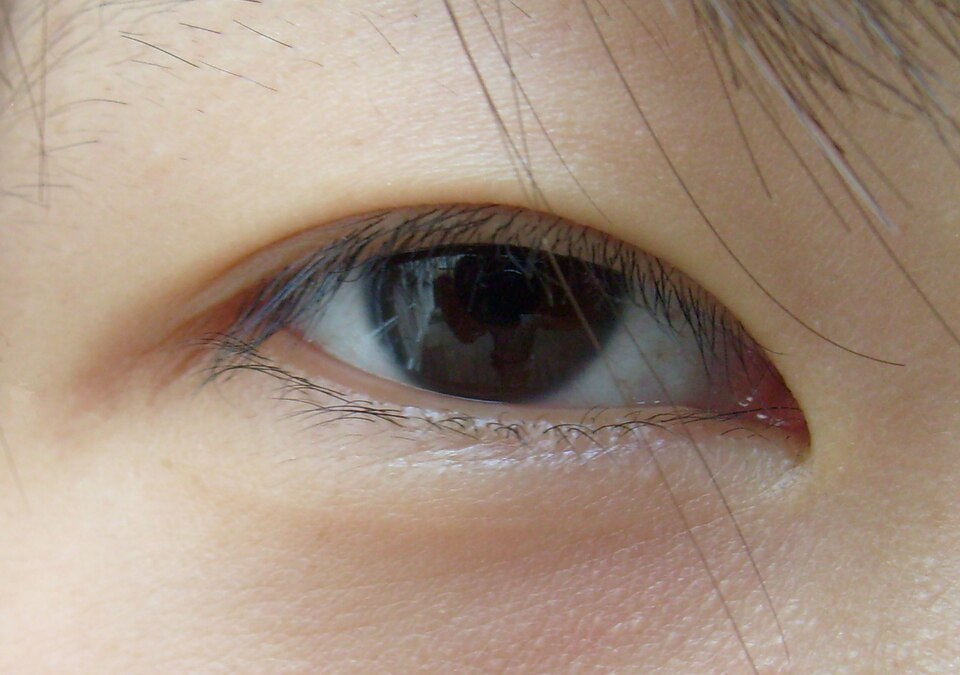
epicanthic fold
A type of human lid
Press Enter · cited answer in seconds
0 sources
epicanthic fold
Summary
epicanthic fold is a class of anatomical entity[1]. It ranks in the top 1% of class_of_anatomical_entity entities by monthly Wikipedia readership (9,575 views/month).[2]
Key Facts
- epicanthic fold's instance of is recorded as class of anatomical entity[3].
- epicanthic fold's instance of is recorded as class of disease[4].
- epicanthic fold is a type of facial feature[5].
- epicanthic fold is a type of skin fold[6].
- epicanthic fold is a type of canthal anomaly[7].
- epicanthic fold is a type of anatomical line of eyelid[8].
- epicanthic fold is a type of particular anatomical entity[9].
- epicanthic fold is part of Asian eyes[10].
- epicanthic fold's Commons category is recorded as Epicanthic fold[11].
- epicanthic fold's exact match is recorded as http://www.orpha.net/ORDO/Orphanet_98573[12].
Why It Matters
epicanthic fold ranks in the top 1% of class_of_anatomical_entity entities by monthly Wikipedia readership (9,575 views/month).[2] It has Wikipedia articles in 25 language editions, a strong signal of global cultural recognition.[13] It is known by 53 alternative names across languages and contexts.[14]