
Daniel Pauly
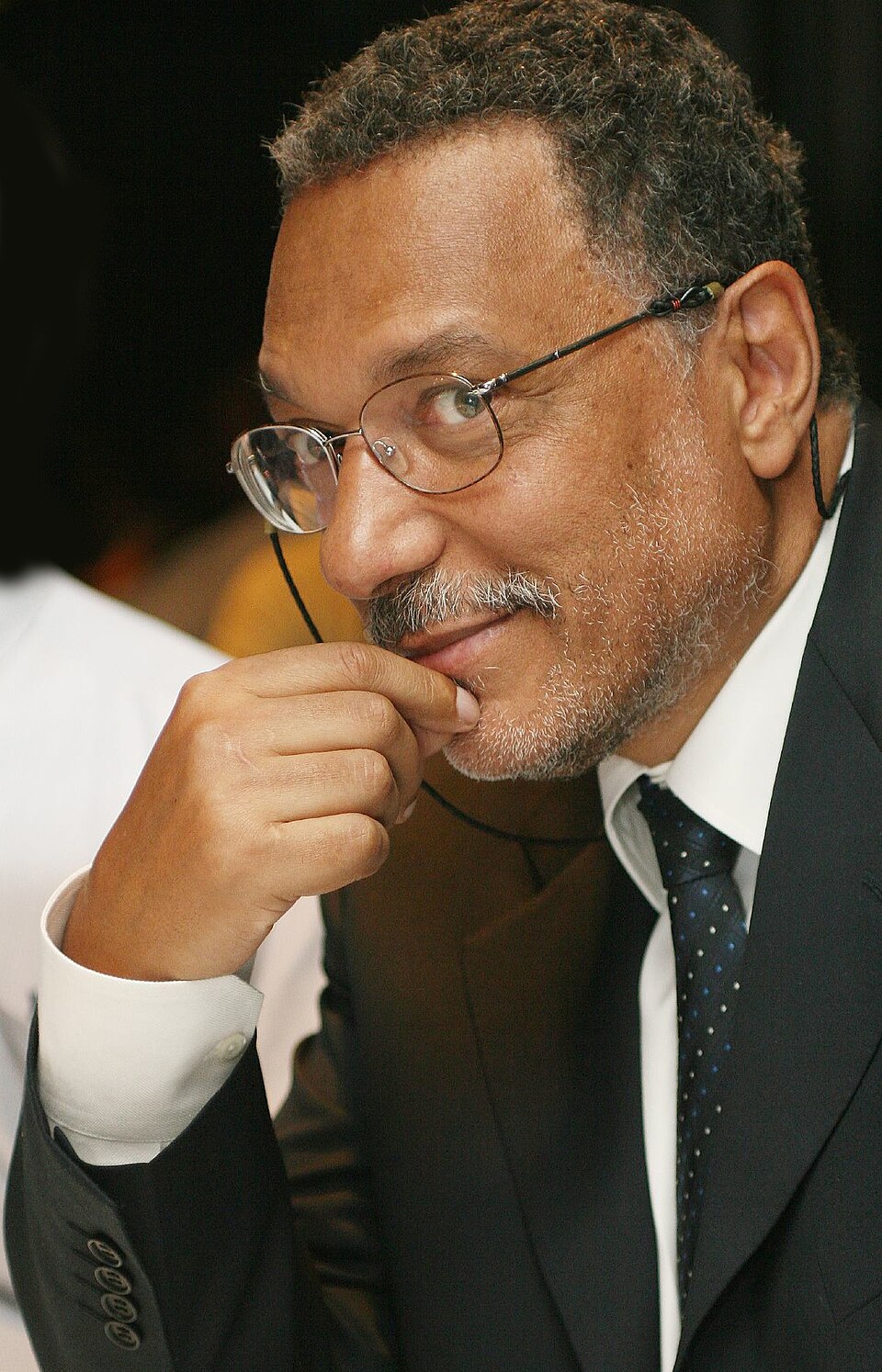
0 sources
Daniel Pauly
Summary
Daniel Pauly is a human[1]. He was born in Paris[2]. He was born on May 2, 1946[3]. He worked as a biologist[4]. He ranks in the top 0.72% of human entities by monthly Wikipedia readership (200 views/month, #7,232 of 1,000,298).[5]
Key Facts
- Daniel Pauly's place of birth was Paris[2].
- Daniel Pauly was born on May 2, 1946[3].
- Daniel Pauly held citizenship in France[6].
- Daniel Pauly worked as a biologist[4].
- Daniel Pauly was employed by University of British Columbia[7].
- Daniel Pauly was educated at Kiel University[8].
- Daniel Pauly's doctoral advisor was Gotthilf Hempel[9].
- A notable work attributed to Daniel Pauly is Beyond duplicity and ignorance in global fisheries[10].
- A notable work attributed to Daniel Pauly is A vision for marine fisheries in a global blue economy[11].
- A notable work attributed to Daniel Pauly is Comments on FAO's State of Fisheries and Aquaculture, or ‘SOFIA 2010’[12].
- A notable work attributed to Daniel Pauly is Making history count: The shifting baselines of Turkish fisheries[13].
- A notable work attributed to Daniel Pauly is Comments on FAOs State of World Fisheries and Aquaculture (SOFIA 2016)[14].
- A notable work attributed to Daniel Pauly is The changing face of global fisheries—The 1950s vs. the 2000s[15].
- Daniel Pauly received the Volvo Environment Prize[16].
- Daniel Pauly received the Nierenberg Prize[17].
- Daniel Pauly received the Ramon Margalef Prize in Ecology[18].
- Daniel Pauly received the International Cosmos Prize[19].
- Daniel Pauly received the ECI Prize[20].
- Daniel Pauly received the honorary doctor of the University of Alicante[21].
- Daniel Pauly was a member of Royal Society of Canada[22].
- Daniel Pauly is recorded as male[23].
- Daniel Pauly's instance of is recorded as human[24].
- Daniel Pauly's residence is recorded as Canada[25].
- Daniel Pauly's family name is recorded as Pauly[26].
- Daniel Pauly's given name is recorded as Daniel[27].
Body
Origins and Family
Born in Paris[2], Daniel Pauly… he was born on May 2, 1946[3].
Education
Daniel Pauly was educated at Kiel University[8]. His doctoral advisor was Gotthilf Hempel[9]. He studied under Gotthilf Hempel[28].
Career and Affiliations
Daniel Pauly's professions included biologist[4]. Among his employers was University of British Columbia[7].
Works and Contributions
Notable works include Beyond duplicity and ignorance in global fisheries[10], A vision for marine fisheries in a global blue economy[11], Comments on FAO's State of Fisheries and Aquaculture, or ‘SOFIA 2010’[12], Making history count: The shifting baselines of Turkish fisheries[13], Comments on FAOs State of World Fisheries and Aquaculture (SOFIA 2016)[14], and The changing face of global fisheries—The 1950s vs. the 2000s[15].
Recognition
Awards received include Volvo Environment Prize[16], an environmental award[29], in Sweden[30], founded in 1988[31]; Nierenberg Prize[17], a science award[32], in United States[33], founded in 2001[34]; Ramon Margalef Prize in Ecology[18], a science award[35], in Spain[36], founded in 2004[37]; International Cosmos Prize[19], a science award[38], founded in 1993[39]; ECI Prize[20], a science award[40], founded in 1986[41]; and honorary doctor of the University of Alicante[21], an award[42], in Spain[43].
Why It Matters
Daniel Pauly ranks in the top 0.72% of human entities by monthly Wikipedia readership (200 views/month, #7,232 of 1,000,298).[5] He has Wikipedia articles in 8 language editions, a strong signal of global cultural recognition.[44] He is known by 3 alternative names across languages and contexts.[45]
FAQs
Where was Daniel Pauly born?
Born in Paris[2], Daniel Pauly…
What did Daniel Pauly do for work?
Daniel Pauly worked as biologist[4].
Where did Daniel Pauly go to school?
Daniel Pauly was educated at Kiel University[8].
What awards did Daniel Pauly receive?
Honors received include Volvo Environment Prize[16], Nierenberg Prize[17], Ramon Margalef Prize in Ecology[18], and International Cosmos Prize[19].