
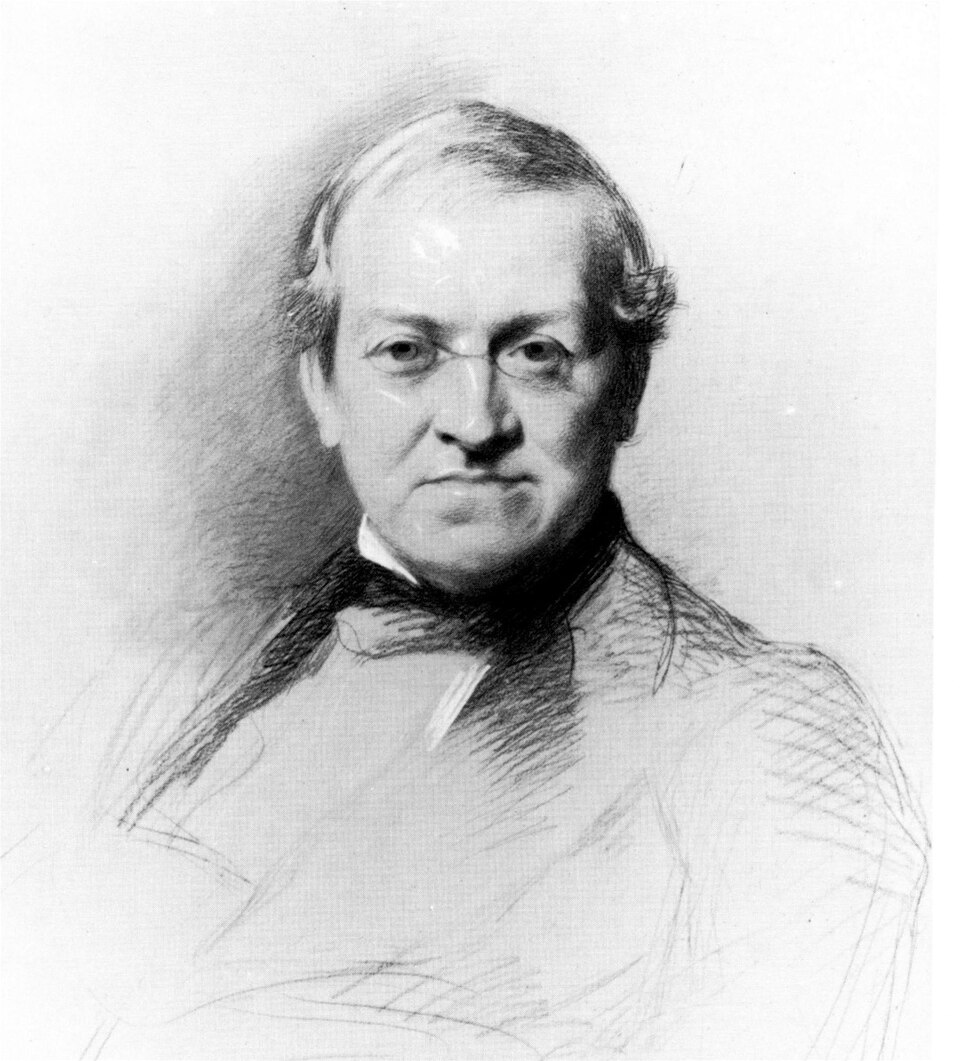
Charles Wheatstone
0 sources
Charles Wheatstone
Summary
Charles Wheatstone is a human[1]. He was born in Gloucester[2]. He was born on February 6, 1802[3]. He passed away in Paris[4]. He died on October 19, 1875[5]. He worked as a cryptographer[6], mathematician[7], physicist[8], inventor[9], and musical instrument maker[10]. He ranks in the top 0.72% of human entities by monthly Wikipedia readership (548 views/month, #7,176 of 1,000,298).[11]
Key Facts
- Charles Wheatstone was born in Gloucester[2].
- Charles Wheatstone died in Paris[4].
- Charles Wheatstone was born on February 6, 1802[3].
- Charles Wheatstone died on October 19, 1875[5].
- Charles Wheatstone is buried at Kensal Green Cemetery[12].
- Charles Wheatstone held citizenship in United Kingdom of Great Britain and Ireland[13].
- Charles Wheatstone worked as a cryptographer[6].
- Charles Wheatstone worked as a mathematician[7].
- Charles Wheatstone's professions included physicist[8].
- Charles Wheatstone's professions included inventor[9].
- Charles Wheatstone worked as a musical instrument maker[10].
- Charles Wheatstone worked as a photographer[14].
- Charles Wheatstone's field of work was physics[15].
- Among Charles Wheatstone's employers was King's College London[16].
- Charles Wheatstone received the Fellow of the Royal Society[17].
- Charles Wheatstone received the Copley Medal[18].
- Charles Wheatstone received the Pour le Mérite for Sciences and Arts order[19].
- Charles Wheatstone received the Royal Medal[20].
- Charles Wheatstone received the Albert Medal[21].
- Charles Wheatstone received the Royal Medal[22].
- Charles Wheatstone was a member of Royal Society[23].
- Charles Wheatstone was a member of Royal Swedish Academy of Sciences[24].
- Charles Wheatstone was a member of American Academy of Arts and Sciences[25].
- Charles Wheatstone was a member of Royal Prussian Academy of Sciences[26].
- Charles Wheatstone was a member of Accademia Nazionale delle Scienze detta dei XL[27].
Body
Origins and Family
Charles Wheatstone's place of birth was Gloucester[2]. He was born on February 6, 1802[3].
Career and Affiliations
Recorded occupations include cryptographer[6], mathematician[7], physicist[8], inventor[9], musical instrument maker[10], and photographer[14]. Charles Wheatstone's field of work was physics[15]. Among his employers was King's College London[16].
Recognition
Awards received include Fellow of the Royal Society[17], a fellowship award[28], in United Kingdom[29]; Copley Medal[18], a medallion[30], in United Kingdom[31], founded in 1731[32]; Pour le Mérite for Sciences and Arts order[19], a civil decoration[33], in Prussia[34], founded in 1842[35]; Royal Medal[20], a science award[36], in United Kingdom[37], founded in 1826[38]; Albert Medal[21], a medallion[39], in United Kingdom[40], founded in 1864[41]; and Royal Society Bakerian Medal[42], a science award[43], in United Kingdom[44], founded in 1775[45].
Death and Burial
Charles Wheatstone died on October 19, 1875[5]. He passed away in Paris[4]. Burial took place at Kensal Green Cemetery[12].
Works and Contributions
Things named for Charles Wheatstone include Wheatstone bridge[46] and Wheatstone Glacier[47], a glacier[48].
Why It Matters
Charles Wheatstone ranks in the top 0.72% of human entities by monthly Wikipedia readership (548 views/month, #7,176 of 1,000,298).[11] He has Wikipedia articles in 26 language editions, a strong signal of global cultural recognition.[49] He is known by 33 alternative names across languages and contexts.[50]
He is credited with the discovery of Playfair cipher[51] and pointer telegraph[52]. Entities named for him include Wheatstone bridge[46] and Wheatstone Glacier[47], a glacier[48].
FAQs
Where was Charles Wheatstone born?
Charles Wheatstone's place of birth was Gloucester[2].
Where did Charles Wheatstone die?
Charles Wheatstone passed away in Paris[4].
What did Charles Wheatstone do for work?
Charles Wheatstone worked as cryptographer[6], mathematician[7], physicist[8], inventor[9], and musical instrument maker[10].
What awards did Charles Wheatstone receive?
Honors received include Fellow of the Royal Society[17], Copley Medal[18], Pour le Mérite for Sciences and Arts order[19], and Royal Medal[20].
What did Charles Wheatstone discover?
Charles Wheatstone is credited as discoverer of Playfair cipher[51] and pointer telegraph[52].