
Aurangzeb
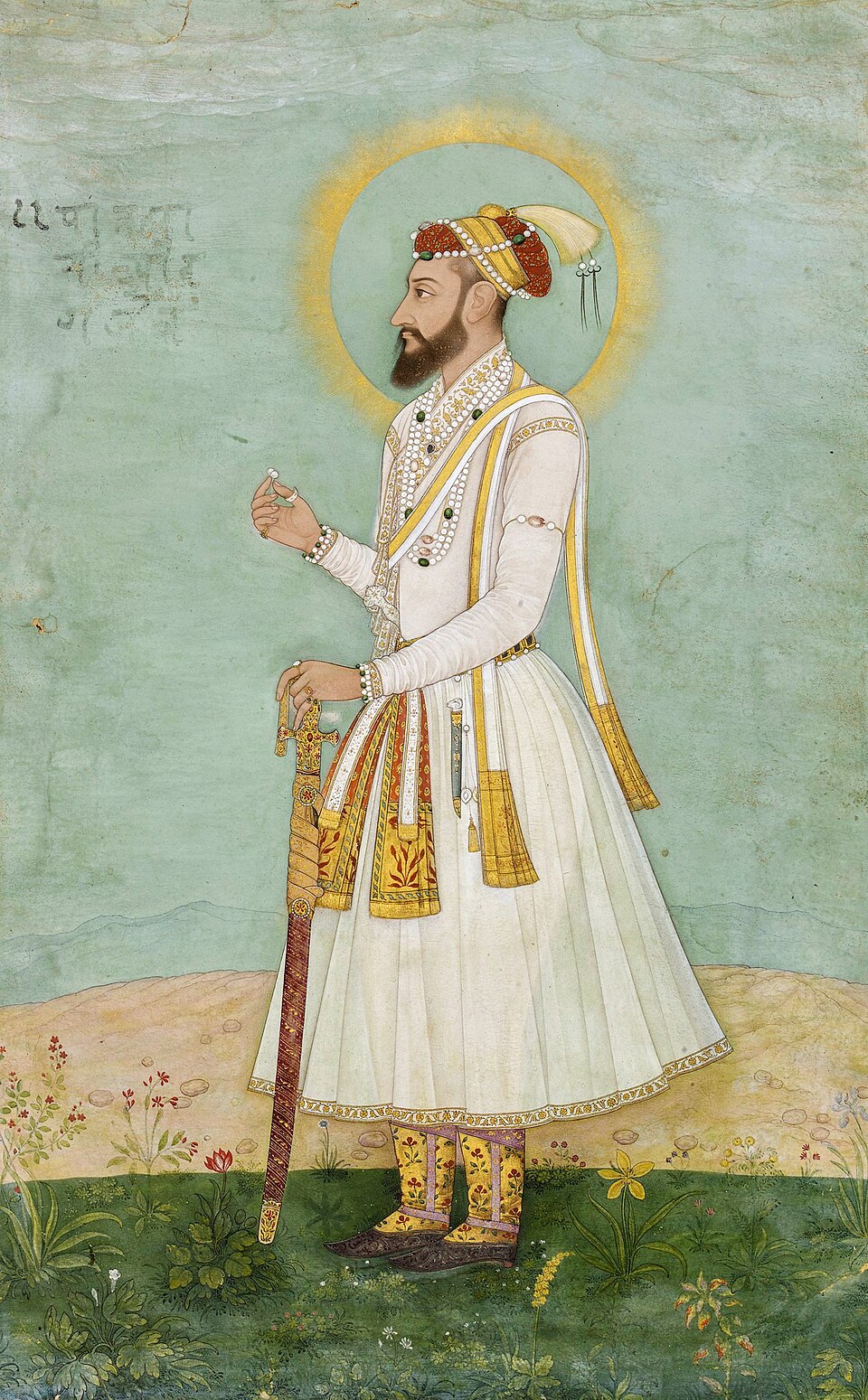
0 sources
Aurangzeb
Summary
Aurangzeb is a human[1]. His place of birth was Dahod[2]. He was born on November 3, 1618[3]. He died in Ahilyanagar[4]. He died on March 3, 1707[5]. He worked as a monarch[6]. He has Wikipedia articles in 29 language editions, a strong signal of global cultural recognition.[7]
Key Facts
- Aurangzeb was born in Dahod[2].
- Aurangzeb died in Ahilyanagar[4].
- Aurangzeb was born on November 3, 1618[3].
- Aurangzeb died on March 3, 1707[5].
- Aurangzeb is buried at Tomb of Aurangzeb[8].
- Aurangzeb's father was Shah Jahan[9].
- Aurangzeb's mother was Mumtaz Mahal[10].
- Among Aurangzeb's spouses was Dilras Banu[11].
- Aurangzeb was married to Nawab Bai[12].
- A child of Aurangzeb was Sultan Muhammad Akbar[13].
- A child of Aurangzeb was Zeb-un-Nisa[14].
- A child of Aurangzeb was Mehr-un-Nissa[15].
- A child of Aurangzeb was Azam Shah[16].
- A child of Aurangzeb was Zinat un-nisa[17].
- A child of Aurangzeb was Muhammad Sultan of Mughal[18].
- Persian was Aurangzeb's native language[19].
- Aurangzeb worked as a monarch[6].
- Aurangzeb held the position of Mughal emperor[20].
- Aurangzeb's religion is recorded as Islam[21].
- Aurangzeb is recorded as male[22].
- Aurangzeb's instance of is recorded as human[23].
- Aurangzeb's family is recorded as Mughal dynasty[24].
- Aurangzeb's Commons category is recorded as Aurangzeb[25].
- Aurangzeb's unmarried partner is recorded as Aurangabadi Mahal[26].
- Aurangzeb's unmarried partner is recorded as Udaipuri Mahal[27].
Body
Origins and Family
Aurangzeb's place of birth was Dahod[2]. He was born on November 3, 1618[3]. His father was Shah Jahan[9]. His mother was Mumtaz Mahal[10]. Persian was his native language[19].
Career and Affiliations
Aurangzeb worked as a monarch[6]. He held the position of Mughal emperor[20].
Personal Life
Spouses include Dilras Banu[11], an aristocrat[28], 1622–1657[29], of Mughal Empire[30] and Nawab Bai[12], 1620–1691[31]. Children include Sultan Muhammad Akbar[13], 1657–1706[32]; Zeb-un-Nisa[14], a poet[33], 1638–1702[34], of Mughal Empire[35], specialised in poetry[36]; Mehr-un-Nissa[15], 1661–1706[37]; Azam Shah[16], a monarch[38], 1653–1707[39]; Zinat un-nisa[17], 1643–1721[40]; and Muhammad Sultan of Mughal[18], 1639–1676[41]. Aurangzeb's religion is recorded as Islam[21].
Death and Burial
Aurangzeb died on March 3, 1707[5]. He died in Ahilyanagar[4]. He is buried at Tomb of him[8].
Works and Contributions
Things named for Aurangzeb include Aurangabad[42], a city[43], in India[44], founded in 1592[45].
Why It Matters
Aurangzeb has Wikipedia articles in 29 language editions, a strong signal of global cultural recognition.[7] He is known by 55 alternative names across languages and contexts.[46]
Entities named for him include Aurangabad[42], a city[43], in India[44], founded in 1592[45].
FAQs
Where was Aurangzeb born?
Aurangzeb's place of birth was Dahod[2].
Where did Aurangzeb die?
Aurangzeb passed away in Ahilyanagar[4].
Who were Aurangzeb's parents?
Aurangzeb's father was Shah Jahan[9]. Aurangzeb's mother was Mumtaz Mahal[10].
Who was Aurangzeb married to?
Aurangzeb's spouses include Dilras Banu[11] and Nawab Bai[12].
What did Aurangzeb do for work?
Aurangzeb worked as monarch[6].