
Anacyclus pyrethrum
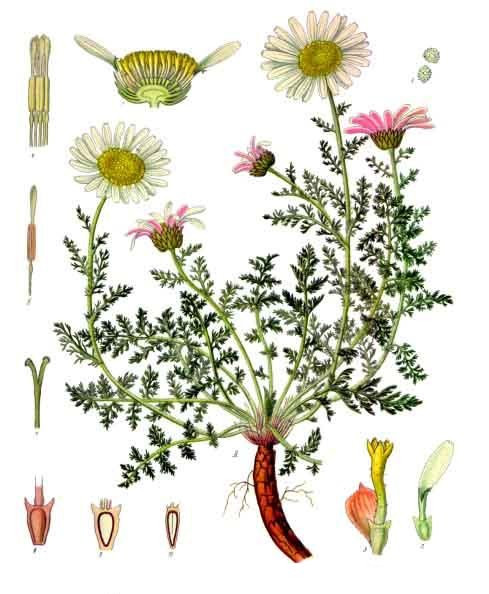
0 sources
Anacyclus pyrethrum
Summary
Anacyclus pyrethrum is a taxon[1]. It ranks in the top 0.8% of taxon entities by monthly Wikipedia readership (394 views/month, #1,556 of 195,241).[2]
Key Facts
- Anacyclus pyrethrum's instance of is recorded as taxon[3].
- Anacyclus pyrethrum is classified at the rank of species[4].
- Anacyclus pyrethrum's IUCN conservation status is recorded as Vulnerable[5].
- Anacyclus pyrethrum is classified within Anacyclus[6].
- Under binomial nomenclature, Anacyclus pyrethrum is Anacyclus pyrethrum[7].
- Anacyclus pyrethrum's Commons category is recorded as Anacyclus pyrethrum[8].
- Anacyclus pyrethrum's has basionym is recorded as Anthemis pyrethrum[9].
- Anacyclus pyrethrum's topic's main category is recorded as Category:Anacyclus pyrethrum[10].
- Anacyclus pyrethrum's Commons gallery is recorded as Anacyclus pyrethrum[11].
- Anacyclus pyrethrum's GRIN URL is recorded as https://npgsweb.ars-grin.gov/gringlobal/taxonomydetail.aspx?id=103836[12].
- Anacyclus pyrethrum's short name is recorded as {'lang': 'mul', 'text': 'A. pyrethrum'}[13].
- Anacyclus pyrethrum is commonly known as {'lang': 'es', 'text': 'Pelitre'}[14].
- Anacyclus pyrethrum is commonly known as {'lang': 'fr', 'text': 'Camomille Marocaine'}[15].
- Anacyclus pyrethrum is commonly known as {'lang': 'fr', 'text': 'Oeil de bouc'}[16].
- Anacyclus pyrethrum is commonly known as {'lang': 'fr', 'text': "Pariétaire d'Espagne"}[17].
- Anacyclus pyrethrum is commonly known as {'lang': 'fr', 'text': 'Pirèthre salivaire'}[18].
- Anacyclus pyrethrum is commonly known as {'lang': 'fr', 'text': 'Pyrèthre'}[19].
- Anacyclus pyrethrum is commonly known as {'lang': 'fr', 'text': "Pyrèthre d'Afrique"}[20].
- Anacyclus pyrethrum is commonly known as {'lang': 'en', 'text': 'Atlas Daisy'}[21].
- Anacyclus pyrethrum is commonly known as {'lang': 'en', 'text': 'Bertram'}[22].
- Anacyclus pyrethrum is commonly known as {'lang': 'en', 'text': 'Pelitory of Spain'}[23].
- Anacyclus pyrethrum is commonly known as {'lang': 'en', 'text': 'Pellitory'}[24].
- Anacyclus pyrethrum is commonly known as {'lang': 'en', 'text': 'Roman Pellitory'}[25].
- Anacyclus pyrethrum is commonly known as {'lang': 'en', 'text': 'Spanish Pellitory'}[26].
- Anacyclus pyrethrum's maintained by WikiProject is recorded as WikiProject Invasion Biology[27].
Body
Classification
Under binomial nomenclature, Anacyclus pyrethrum is Anacyclus pyrethrum[7]. It is classified at the rank of species[4]. It is classified within Anacyclus[6]. Recorded taxon common name include {'lang': 'es', 'text': 'Pelitre'}[14], {'lang': 'fr', 'text': 'Camomille Marocaine'}[15], {'lang': 'fr', 'text': 'Oeil de bouc'}[16], {'lang': 'fr', 'text': "Pariétaire d'Espagne"}[17], {'lang': 'fr', 'text': 'Pirèthre salivaire'}[18], and {'lang': 'fr', 'text': 'Pyrèthre'}[19].
Identifiers
Anacyclus pyrethrum's iNaturalist taxon ID is recorded as 481626[28]. Anacyclus pyrethrum's NCBI taxonomy ID is recorded as 159698[29]. Anacyclus pyrethrum's GBIF taxon ID is recorded as 3148578[30].
Why It Matters
Anacyclus pyrethrum ranks in the top 0.8% of taxon entities by monthly Wikipedia readership (394 views/month, #1,556 of 195,241).[2] It has Wikipedia articles in 13 language editions, a strong signal of global cultural recognition.[31] It is known by 28 alternative names across languages and contexts.[32]