
Alexander Glazunov
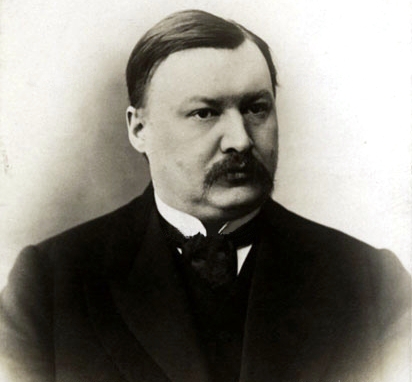
0 sources
Alexander Glazunov
Summary
Alexander Glazunov is a human[1]. His place of birth was Saint Petersburg[2]. He was born on July 29, 1865[3]. He passed away in Neuilly-sur-Seine[4]. He died on March 21, 1936[5]. He worked as a composer[6], conductor[7], pedagogue[8], musicologist[9], and music educator[10]. He ranks in the top 0.71% of human entities by monthly Wikipedia readership (3,443 views/month, #7,086 of 1,000,298).[11]
Key Facts
- Alexander Glazunov was born in Saint Petersburg[2].
- Alexander Glazunov passed away in Neuilly-sur-Seine[4].
- Alexander Glazunov died in Paris[12].
- Alexander Glazunov was born on July 29, 1865[3].
- Alexander Glazunov died on March 21, 1936[5].
- Burial took place at Tikhvin Cemetery[13].
- Alexander Glazunov held citizenship in Russian Empire[14].
- Alexander Glazunov held citizenship in Soviet Union[15].
- Alexander Glazunov held citizenship in Russia[16].
- Alexander Glazunov worked as a composer[6].
- Alexander Glazunov worked as a conductor[7].
- Alexander Glazunov's professions included pedagogue[8].
- Alexander Glazunov's professions included musicologist[9].
- Alexander Glazunov worked as a music educator[10].
- Alexander Glazunov's professions included university teacher[17].
- Among Alexander Glazunov's employers was Saint Petersburg Conservatory[18].
- A notable student of Alexander Glazunov was Arthur Lourié[19].
- A notable student of Alexander Glazunov was Natalia Pravosudovich[20].
- A notable student of Alexander Glazunov was Mikhail Klimov[21].
- A notable student of Alexander Glazunov was Dimitri Tiomkin[22].
- A notable work attributed to Alexander Glazunov is String Quartet No. 2[23].
- A notable work attributed to Alexander Glazunov is Saxophone Concerto[24].
- Alexander Glazunov received the People's Artist of the RSFSR[25].
- Alexander Glazunov is recorded as male[26].
- Alexander Glazunov's instance of is recorded as human[27].
Body
Origins and Family
Alexander Glazunov was born in Saint Petersburg[2]. He was born on July 29, 1865[3].
Education
Alexander Glazunov studied under Nikolai Rimsky-Korsakov[28].
Career and Affiliations
Recorded occupations include composer[6], conductor[7], pedagogue[8], musicologist[9], music educator[10], and university teacher[17]. Among Alexander Glazunov's employers was Saint Petersburg Conservatory[18]. Notable students include Arthur Lourié[19], a composer[29], 1892–1966[30], of Russian Empire[31], specialised in music[32]; Natalia Pravosudovich[20], a composer[33], 1899–1988[34]; Mikhail Klimov[21], a choir director[35], 1881–1937[36], of Russian Empire[37]; and Dimitri Tiomkin[22], a pianist[38], 1894–1979[39], of United States[40], awarded the Academy Award for Best Original Dramatic or Comedy Score[41], specialised in film score[42].
Works and Contributions
Notable works include String Quartet No. 2[23], a musical work/composition[43] and Saxophone Concerto[24], a saxophone concerto[44], founded in 1934[45]. Things named for Alexander Glazunov include Glazunov Glacier[46].
Recognition
Alexander Glazunov received the People's Artist of the RSFSR[25].
Death and Burial
Alexander Glazunov died on March 21, 1936[5]. Recorded place of death include Neuilly-sur-Seine[4], a commune of France[47], in France[48] and Paris[12], a commune of France[49], in France[50], founded in -0300[51]. He is buried at Tikhvin Cemetery[13].
Why It Matters
Alexander Glazunov ranks in the top 0.71% of human entities by monthly Wikipedia readership (3,443 views/month, #7,086 of 1,000,298).[11] He has Wikipedia articles in 26 language editions, a strong signal of global cultural recognition.[52] He is known by 90 alternative names across languages and contexts.[53]
Entities named for him include Glazunov Glacier[46].
FAQs
Where was Alexander Glazunov born?
Born in Saint Petersburg[2], Alexander Glazunov…
Where did Alexander Glazunov die?
Alexander Glazunov died in Neuilly-sur-Seine[4].
What did Alexander Glazunov do for work?
Alexander Glazunov worked as composer[6], conductor[7], pedagogue[8], musicologist[9], and music educator[10].
What awards did Alexander Glazunov receive?
Honors received include People's Artist of the RSFSR[25].